The mercury doesn’t make a sound when it climbs. It doesn't roar like a flash flood or howl like a hurricane. It just sits there, heavy and invisible, pressing down on the pavement until the air feels less like oxygen and more like soup.
You notice it first in the small things. The steering wheel that burns your palms at 5:00 PM. The dog refusing to walk past the shade of the porch. The strange, metallic tang of an air conditioner straining against a wall of brick-oven heat. We call it a weather event. The meteorologists on television point to maps painted in deep, ominous shades of violet, warning us that a week-long health alert is now active. They talk about high-pressure systems and shifting jet streams.
But weather forecasts miss the real story. They measure the atmosphere, not the human heart. They tell us the temperature, but they rarely explain what that temperature does to a person when it refuses to drop for seven straight days.
Consider a hypothetical citizen named Sarah. She is seventy-two, lives on the third floor of an older brick apartment building, and prides herself on her independence. When the heatwave rolls in, Sarah doesn’t feel an immediate sense of crisis. It’s just summer, she thinks. She opens the windows to catch a breeze.
That is the first trap.
When the ambient temperature rises past 35°C (95°F), a fan stops cooling the human body. Instead, it acts like a convection oven, blowing hot air across skin that can no longer sweat fast enough to compensate. Within forty-eight hours of sustained heat, the walls of Sarah’s brick building begin to absorb and store the thermal energy. The apartment doesn’t cool down at night. Her heart, tasked with pumping blood to the surface of her skin to release heat, begins to beat faster. It works overtime, hour after hour, while she sleeps. By day three, she is exhausted, confused, and profoundly dehydrated, though she hasn't walked more than twenty feet.
This is the invisible mechanics of a heat crisis. It is cumulative. One hot day is uncomfortable; seven consecutive hot days change the biochemistry of a community.
Medical data shows that hospital admissions for heat-related illnesses don't spike on day one of a warning. The real surge happens on days three, four, and five. The human body is remarkably resilient, but it requires a break. It needs the reset button that a cool night provides. When the overnight lows stay trapped in the mid-twenties, the cardiovascular system remains under constant, low-grade siege.
The pressure isn't distributed evenly. The wealthy retreat behind double-paned glass and central cooling systems, watching the shimmer above the blacktop from a comfortable distance. For others, the heat is an economic threat. It is the delivery driver whose cab lacks functioning AC. It is the construction worker checking his watch, weighing the necessity of his paycheck against the dizziness creeping into his skull. It is the parent wondering if turning on the window unit will mean skipping groceries at the end of the month.
We treat heatwaves as anomalies, temporary disruptions to an otherwise predictable calendar. Yet the historical context tells a different story. The data points to a steady, relentless elevation of the baseline. What used to be a once-in-a-decade summer is becoming the standard template for July.
To understand the stakes, we have to look at how our bodies fight back. The primary weapon is evaporation. Sweat carries heat away from the core. But when humidity hitches a ride on a heatwave, the air is already saturated. The sweat stays on the skin. The cooling mechanism fails. At that point, internal temperatures begin to creep upward toward the danger zone of 40°C (104°F).
Organs are sensitive to temperature. Like any delicate machinery, they require specific parameters to function. When the core overheats, proteins begin to break down. The lining of the gut becomes permeable. The body enters a state of systemic inflammation. It sounds terrifying because it is.
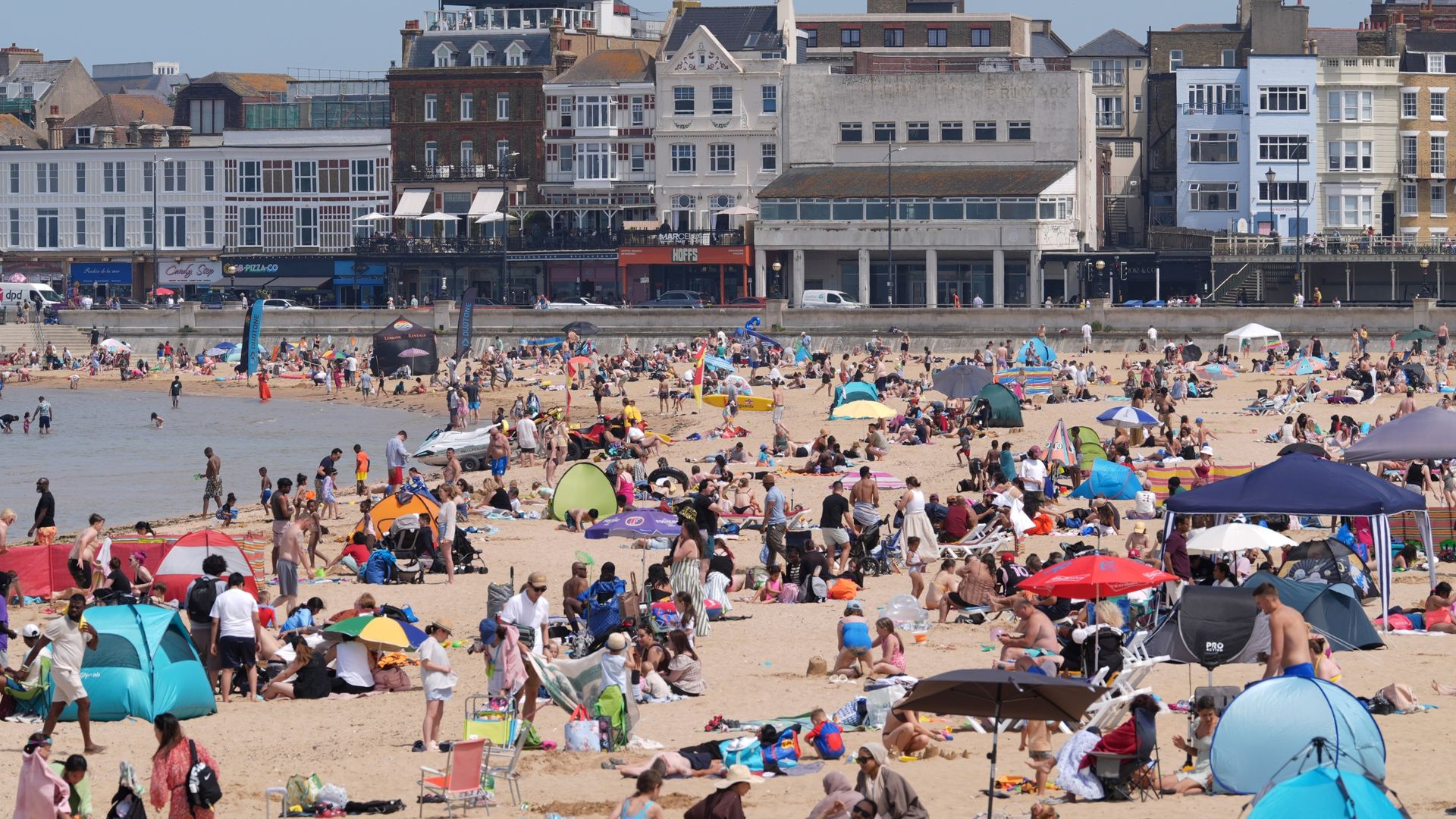
But the tragedy of a heatwave is that it is largely preventable. The danger lies in our collective complacency. We see the sun shining, hear the hum of cicadas, and mistake a climate emergency for a beautiful beach day. We check on our neighbors during blizzards, shoveling their sidewalks and ensuring their pipes haven't frozen. We rarely knock on their doors when the sun is blinding, even though extreme heat claims more lives annually than winters, tornadoes, and floods combined.
The current week-long alert isn't a suggestion to wear sunscreen and carry a water bottle. It is an active mobilization order for communities to look out for their vulnerable.
True safety during these cycles requires shifting our perspective. It means understanding that thirst is a late-stage warning sign, not an initial indicator of dehydration. It means realizing that a lukewarm bath is infinitely more effective at lowering a child’s core temperature than an electric fan pushing stagnant air around a bedroom. It requires recognizing that the lethargy we feel on a scorching afternoon isn't laziness; it is our body actively rationing its energy to keep its vital systems online.
The concrete jungle multiplies the effect. Cities create their own microclimates—urban heat islands—where asphalt, dark roofs, and a lack of canopy cover trap radiation during the day and bleed it back into the atmosphere all night. Walking down a downtown street during a heatwave can feel like standing behind a jet engine. The environment we built to protect us from the elements ends up magnifying them.
The warning will eventually lift. The high-pressure system will move along, a cold front will sweep through, and the air will clear. We will turn off the air conditioners, open the windows, and breathe a collective sigh of relief.
But the silence of the heat should linger in our memories. The next wave isn't a matter of if, but when. The three degrees of difference between a hot summer afternoon and a medical emergency are thin, fragile, and entirely unforgiving to those left to weather them alone.