The rain in Lima does not fall so much as it suspends itself in the air, a permanent, gray static that clings to the wool of your coat and the corners of your eyes. Walk down the damp limestone corridors near the Plaza Mayor, and you can smell the heavy weight of history mixing with the sharper, modern scent of roasted coffee and diesel exhaust. It is a city that has spent centuries learning how to wait.
Right now, inside the ministry buildings where the polished mahogany desks reflect the flickering fluorescent tubes, Peru is waiting again. But the stakes outside have shifted.
Consider the ordinary life of Mateo, a fictional small-scale textile importer whose warehouse sits tucked away in the industrial sprawl of Callao, just a few miles from the docks where colossal container ships graze the Pacific horizon. Mateo does not care about geopolitical theory. He cares about the customs clearance time for a shipment of synthetic fibers coming out of Asia, the fluctuating cost of container space, and whether his profit margin can absorb another tariff spike. For years, the calculus of his business was simple, dictated by the rhythm of bilateral pacts and free trade agreements that promised a smoother highway for commerce across the vast expanse of the ocean.
Then came the new administration. With it came a vow that sent ripples through the quiet offices of international trade lawyers and foreign embassies alike: the new government formally committed to applying the free trade agreement signed with Hong Kong.
On paper, this is a technical victory. It is the kind of bureaucratic milestone that generates brief applause in trade journals and prompts a flurry of dry PDF downloads among economists. It means lower tariffs, streamlined dispute resolutions, and preferential market access. For Mateo, it means the theoretical possibility of cheaper raw materials arriving at his loading dock with fewer administrative bruises.
Yet, in the hushed corridors of diplomatic reception halls, the story is entirely different. Because while the current leadership in Lima has rushed to embrace the Hong Kong trade corridor with open arms, it has offered a profound, deafening silence regarding the mainland.
Silence is never empty in international diplomacy. It is a room filled with furniture you are pretending not to see.
To understand why this silence matters, you have to look past the customs forms and peer into the engine room of global trade. For over a decade, Beijing has operated as the gravitational center of Peruvian exports. Walk through the sprawling open-pit mines high in the Andean Cordillera, where the air is thin enough to make your temples throb, and you will see the physical manifestation of this relationship. Huge yellow haul trucks, their tires taller than a man, crawl along cliffside roads carrying copper ore that will eventually be melted down in furnaces thousands of miles away across the Pacific.
China is Peru's largest trading partner. It is the buyer of first resort for the minerals that fuel the national economy, the financier of massive infrastructure projects, and the silent partner in the modernization of South America's Pacific coast.
Hong Kong, meanwhile, occupies a peculiar, delicate space in this architecture. It is a bridge, an autonomous financial engine, and a historical entrepôt that operates under separate economic rules even as its political gravity remains firmly tethered to Beijing. By publicly committing to the Hong Kong trade deal while maintaining a studied, deliberate quietness toward the mainland's broader policy maneuvers, Lima is attempting a high-wire act.
Why? Because governance in a developing democracy is a constant exercise in balancing competing pressures.
On one side stands the urgent need for foreign direct investment, technological partnership, and export revenue. On the other stands a growing unease about national sovereignty, labor standards, and the asymmetrical dependence that forms when a single superpower dictates the financial weather of an entire region. When leaders choose silence over bold pronouncements, they are usually buying time. They are keeping their options open while the geopolitical chessboard shifts beneath their feet.
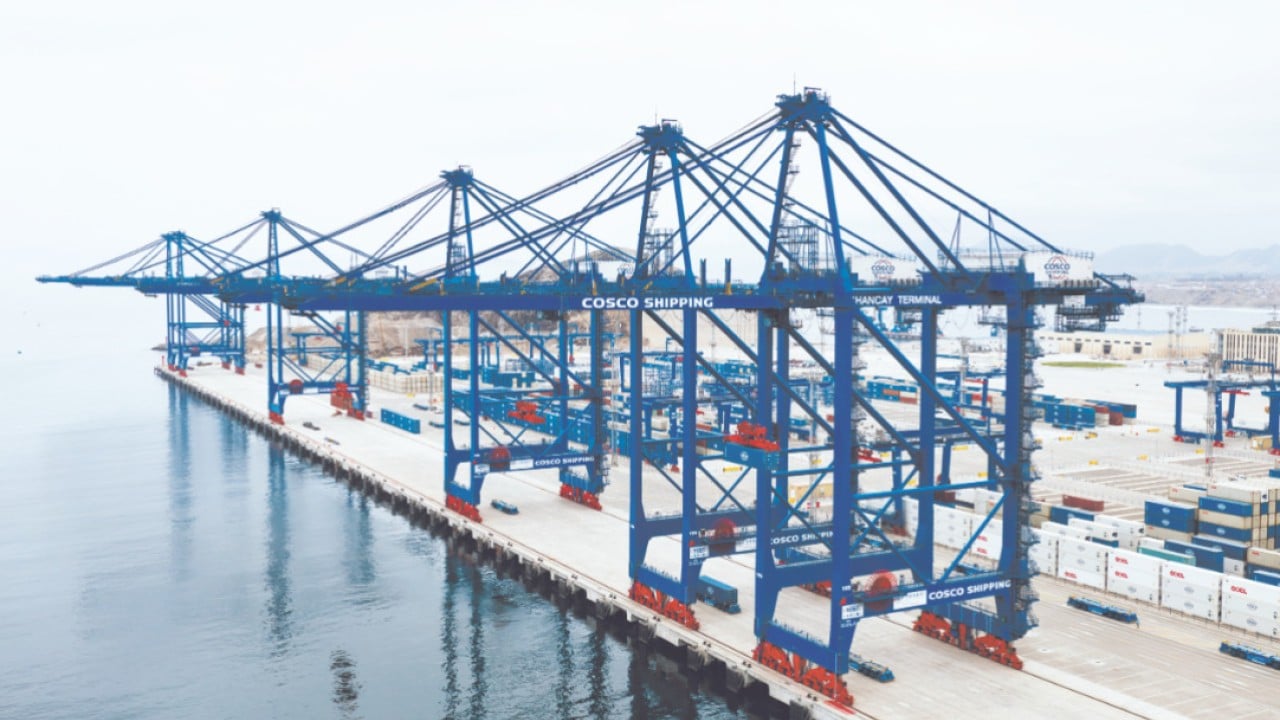
Step back from the ministries and the trade desks for a moment. Imagine standing on the pier at Chancay, the massive new megaport north of Lima designed to transform the west coast of South America into a direct launchpad for Asian trade. The cranes stand like giant steel dinosaurs against the coastal fog, waiting for the massive freighters that will cement Peru’s status as a logistics hub.
The concrete poured into those docks was funded by ambition and capital from the East. The ships that berth there will carry the wealth of the Andes directly to the markets of the East. Everyone in Lima knows this. The dockworkers know it. The fishermen whose wooden boats bob nervously in the shadow of the massive deep-water terminal know it.
Yet, the political rhetoric remains cautious, wrapped in the protective cellophane of legalistic trade agreements with autonomous territories rather than sweeping geopolitical declarations.
This is the quiet paradox of modern statecraft. Nations can no longer afford the luxury of ideological purity, nor can they afford uncritical submission. They must dance in the spaces between giants. They must sign trade deals with Hong Kong to signal openness to global commerce and financial innovation, while remaining acutely aware that the real anchor of their economic survival lies just across the narrow strait, wrapped in layers of complexity that defy simple slogans.
For Mateo back in Callao, the philosophical debate does not put food on the table. He wants to know if his next order of textiles will clear customs without a headache. But as he watches the mist roll in off the gray Pacific, wrapping around the hulls of the ships waiting to unload, even he can sense the tension in the air.
The agreements have been signed. The stamps are dry. But the real story of Peru's economic future is not written in the clauses of a trade treaty. It is being written in the spaces between the words, in the deliberate pauses of diplomats, and in the quiet, high-stakes gamble of a nation trying to trade with the world without losing its balance on the edge of the mountain.