The UK’s butterflies are vanishing, and the standard advice of planting a few lavender bushes is failing them. The Big Butterfly Count consistently charts a devastating, decades-long decline. While casual gardening blogs offer comforting, low-effort tips, they mask a harsher ecological reality. The collapse of these insect populations is driven by industrial agriculture, severe habitat fragmentation, and a fundamental misunderstanding of what a butterfly needs to survive. To reverse this trend, we have to look past the superficial appeal of colorful nectar flowers and radically alter how we manage our private and public spaces.
The truth is stark. Butterflies do not just need food as adults; they need highly specific host plants for their caterpillars, sheltered overwintering sites, and interconnected corridors that span entire neighborhoods.
The Nectar Trap and the Myth of the Quick Fix
For years, well-meaning conservation campaigns have told a simple story. Plant some buddleia, watch the insects arrive, and consider the crisis averted. This approach creates a dangerous illusion of success. A garden filled with blooming, non-native flowers might attract passing adult butterflies, but it acts essentially as a roadside diner. It feeds the travelers but does nothing to help them breed or sustain the next generation.
The lifecycle of a butterfly is a complex, fragile chain. The adult phase is the briefest part. The real work of survival happens in the larval stage, where the insect is entirely dependent on specific native plants. A female butterfly will not lay her eggs on just any green leaf. She searches for precise chemical markers.
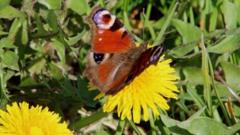
- The Peacock and Small Tortoiseshell require vast, stinging nettle patches situated in full sunlight.
- The Brimstone depends exclusively on buckthorn.
- The Common Blue needs bird's-foot-trefoil buried in undisturbed turf.
When we manicuring our gardens and pull up native weeds, we eliminate the nurseries of these species. Providing nectar without host plants is a hollow gesture that fails to address the root cause of the decline.
The Modern Garden is an Ecological Desert
The British obsession with neatness is killing biodiversity. Over the past few decades, the domestic garden has undergone a structural shift away from living green space. The rise of artificial lawns, extensive paving, composite decking, and close-board timber fencing has turned suburban areas into impenetrable barriers for wildlife.
Consider the physical reality of a modern housing estate. A butterfly requires thermal variety. It needs bare ground to absorb heat, long grass to shelter from heavy rain, and dense scrub to survive the winter. When a garden is stripped down to a monoculture of pristine lawn and treated wooden fences, it becomes a biological desert.
Furthermore, the widespread availability of cosmetic pesticides in local garden centers encourages a zero-tolerance policy toward any insect that chews a leaf. Systemic insecticides, which stay inside the tissue of the plant for months, are frequently sprayed on commercially bought flowers. Homeowners unknowingly buy plants marketed as pollinator-friendly that are pre-treated with chemicals toxic to the very caterpillars they hope to save.
Dismantling the Green Corridor
Isolation is a quiet killer of species. In a healthy ecosystem, butterfly populations move fluently across a landscape to find mates and refresh their genetic pool. In the current British landscape, habitats are fractured into tiny, isolated islands.
If a butterfly hatches in a small urban park, it faces miles of concrete, glass, and pesticide-heavy farmland before it can find another suitable habitat. If it cannot cross that gap, the local population becomes inbred and highly vulnerable to localized extinction from a single bad weather event or disease outbreak.
Private gardens cover more acreage in the UK than all national nature reserves combined. This gives urban and suburban homeowners an immense collective power. But that power is wasted if every plot remains an isolated unit. We need to think beyond the boundary of the individual fence line.
A Blueprint for Structural Re-wilding
Fixing this requires a shift from cosmetic gardening to structural habitat creation. It means prioritizing function over form and accepting a degree of chaos in our outdoor spaces.
Establish a Permanent Wilderness Zone
Dedicate at least twenty percent of a garden to total neglect. Do not mow it, do not weed it, and do not tidy it in autumn. Allow native bramble, ivy, nettles, and thistles to establish themselves. These are not uninvited invaders; they are the fundamental building blocks of British insect life. Ivy provides crucial late-season nectar for the autumn-emerging Comma, while dense bramble offers vital shelter for overwintering pupae.
Replace Fences with Hedgerows
The standard wooden panel fence is a dead end. Replacing it with a mixed native hedge of hawthorn, blackthorn, and hazel creates an instant wildlife superhighway. A hedge offers microclimates, nesting sites, and a continuous food source. It also slows down wind, creating the sheltered, warm air currents that butterflies need to navigate a garden safely.
The Rotational Mowing System
The concept of the weekly lawn mow must be abandoned. Instead, adopt a rotational management system. Divide grass areas into zones. Leave some parts entirely unmown until late August to allow low-growing wildflowers like clover and selfheal to bloom. Keep other paths cut short to provide basking spots. This structural diversity ensures there is always somewhere for insects to hide and feed, no matter the season.
The Deceptive Promise of Commercial Wildflower Seed Mixes
The market has responded to the conservation crisis with a flood of "wildflower mix" seed packets. These are highly popular, but they often do more harm than good. A significant portion of these commercial mixes contain annual species native to North America or Mediterranean Europe, such as California poppies or cosmos. While visually striking, they do not support the specialist relationships required by British caterpillars.
True meadow restoration is a slow, deliberate process that relies on perennial native species suited to local soil types. Sowing non-native annuals provides a brief flash of color but leaves the soil depleted and fails to establish a permanent habitat.
Worse still, these mixes often introduce aggressive, competitive grasses that smother the delicate native plants over time. True conservationists look for certified native, locally sourced perennial seeds, and accept that a real British meadow looks more like a mix of subtle clovers, sorrels, and knapweeds than a vibrant technicolor postcard.
The Failure of Public Land Management
The crisis cannot be solved by private citizens alone. Local councils manage vast swathes of land in the form of road verges, public parks, and roundabout centers. For decades, the default policy has been one of aggressive, short-interval mowing. This practice is driven by an outdated aesthetic standard that equates short grass with civic pride.
Mowing road verges in May and June cuts down wildflowers exactly when they are most needed, destroying millions of butterfly eggs and larvae in the process. While some councils have adopted "No Mow May," stopping for a single month is an inadequate gesture. When the mowers return in June, they simply shred the caterpillars that managed to hatch during the brief respite.
Public land management requires a total overhaul. Verges should be treated as linear nature reserves, cut only twice a year—once in early spring and once in late autumn—with the cuttings removed to lower soil fertility and encourage wildflower diversity.
The Long Road to Recovery
Saving the UK's butterfly populations is not an impossible task, but it demands that we abandon our obsession with manicured perfection. It requires seeing value in a patch of stinging nettles, leaving fallen leaves to rot where they drop, and demanding that local authorities stop treating public green spaces as outdoor carpets.
The future of these species rests entirely on our willingness to let nature take back control of the edges of our world. Stop buying plastic grass, put away the chemical sprays, and let the weeds grow.