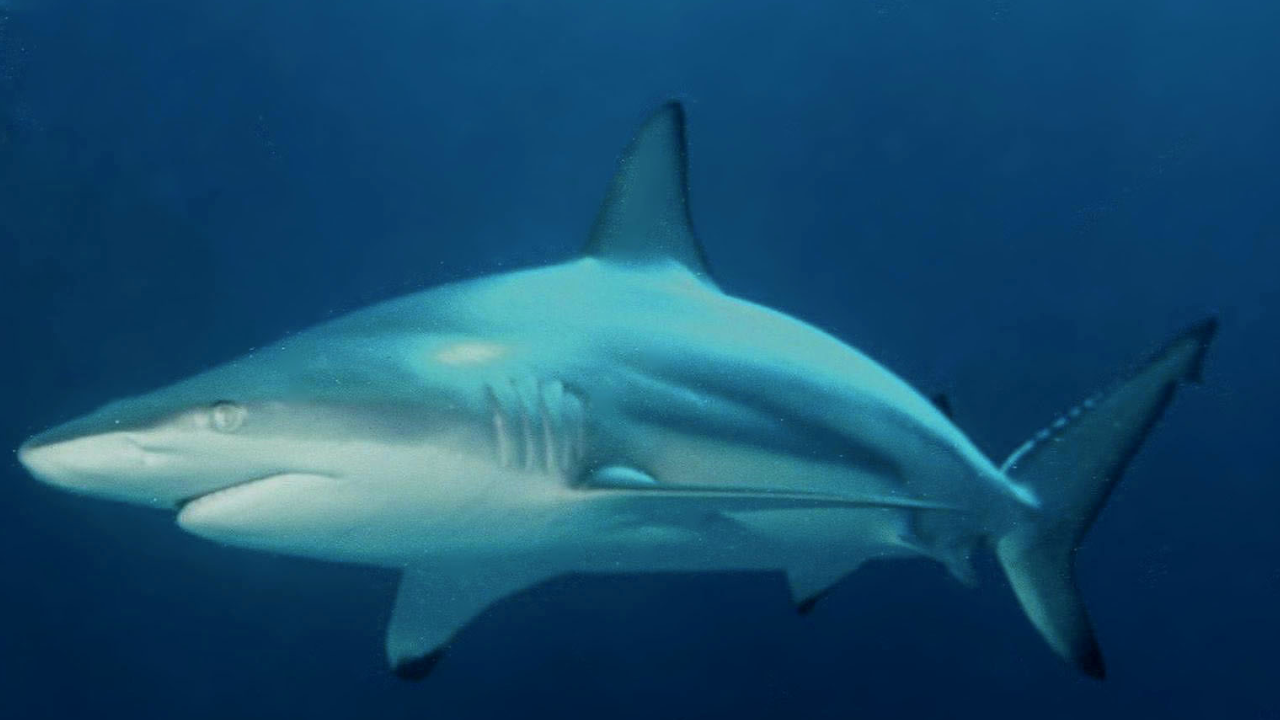
The ocean is rarely quiet. Beneath the surface swells, a complex acoustic theater plays out continuously, driven by crashing breakers, snapping shrimp, distant seismic rumbles, and the frantic beats of struggling prey. For decades, marine biologists understood that sharks possessed an extraordinary sense of hearing, tuned primarily to low-frequency distress signals. Yet, recent behavioral research has upended standard assumptions, revealing that sharks detect acoustic stimuli from astonishing distances—up to seventy-four meters—and frequently respond by actively turning away.
That sudden behavioral pivot changes everything about how humans understand apex predator avoidance, marine conservation, and ocean acoustics. Sharks are not mindless hunting machines blindly charging toward any sound in the water column. They are remarkably cautious, highly selective sensory processors capable of evaluating risk across vast underwater ranges.
The Physics of Underwater Sound
To grasp why a seventy-four-meter detection threshold matters, one must examine how sound travels through water. Sound moves approximately four and a particle-half times faster in water than it does in air, losing energy at a much slower rate over distance. This physical property turns the ocean into an acoustic highway.
A shark perceives these vibrations primarily through its inner ear and the lateral line system, a specialized row of mechanoreceptors running down the length of its body. While the inner ear handles particle motion and low-frequency pressure waves from hundreds of meters away, the lateral line tracks immediate directional water displacement.
When researchers tested acoustic thresholds in controlled environments and open ocean settings, they tracked a distinct behavioral pattern. Low-frequency pulsed sounds—mimicking the erratic thrashing of an injured fish—immediately drew curiosity. However, continuous broadband noise or unfamiliar acoustic signatures at specific decibel levels triggered an immediate avoidance response. The sharks did not just hesitate; they turned tail and swam in the opposite direction.
Decoding the Behavioral Pivot
Why would an apex predator retreat from a distant sound source? Survival economics. Evolution does not reward recklessness. For a shark, expending metabolic energy to investigate an unknown acoustic signal carries high opportunity costs and potential danger.
Consider the sensory environment of a coastal reef or open pelagic zone. Industrial shipping, seismic testing, naval sonar, and recreational boating have drastically altered the marine soundscape. When a shark detects a foreign low-frequency disturbance from seventy-four meters away, its risk assessment algorithm kicks into gear.
The sound could signal an injured meal, but it could equally represent a large vessel, a competing predator, or an explosive geological event. By turning away, the shark conserves energy and minimizes exposure to unpredictable threats. This behavioral plasticity explains why shark populations often abandon areas experiencing elevated anthropogenic noise pollution long before human observers realize the habitat has been degraded.
Rethinking Human-Shark Interaction Mitigation
Traditional bather safety protocols relied heavily on physical barriers, spotter planes, and reactive netting programs. None of these methods account for the acoustic reality of the marine environment. If sharks possess long-range directional hearing that allows them to assess and avoid specific sound signatures, modern mitigation strategies require a fundamental redesign.
Acoustic deterrence technology represents the next frontier in marine safety and conservation engineering. Instead of relying on lethal or disruptive nets, researchers are developing targeted acoustic frequency emitters designed to safely repel sharks from high-traffic beaches and commercial fisheries.
These devices do not harm the animals. They simply exploit the shark's natural aversion to specific sound patterns, reinforcing the animal's instinct to turn away. By broadcasting harmless deterrent frequencies, coastal managers can create invisible acoustic buffers that protect both human swimmers and vulnerable shark species from accidental entanglements.
The Anthropogenic Noise Crisis
The revelation of long-range shark hearing introduces a sobering environmental challenge. Human activity is fundamentally rewriting the ocean's acoustic ecology. Commercial shipping lanes, offshore pile driving, and sonar mapping generate a relentless wall of low-frequency noise that blankets vast marine habitats.
For animals that rely on subtle acoustic cues to hunt, navigate, and communicate, this cacophony is the equivalent of trying to live beside a permanent, roaring freight train. When ambient noise floors rise, the effective range of a shark's hearing shrinks. They can no longer parse distant biological signals cleanly, leading to altered migration routes, reduced foraging success, and chronic physiological stress.
Preserving marine biodiversity requires treating ocean noise pollution with the same regulatory urgency as chemical runoff or plastic waste. Establishing marine acoustic sanctuaries where motorized vessel speeds are restricted allows apex predators to utilize their evolutionary sensory toolkit without constant disruption.
The seventy-four-meter detection threshold is more than a fascinating biological statistic. It is a window into the sophisticated cognitive life of an animal that has roamed the oceans for hundreds of millions of years. Understanding how sharks listen, evaluate, and react gives humanity a vital tool for sharing the seas responsibly.