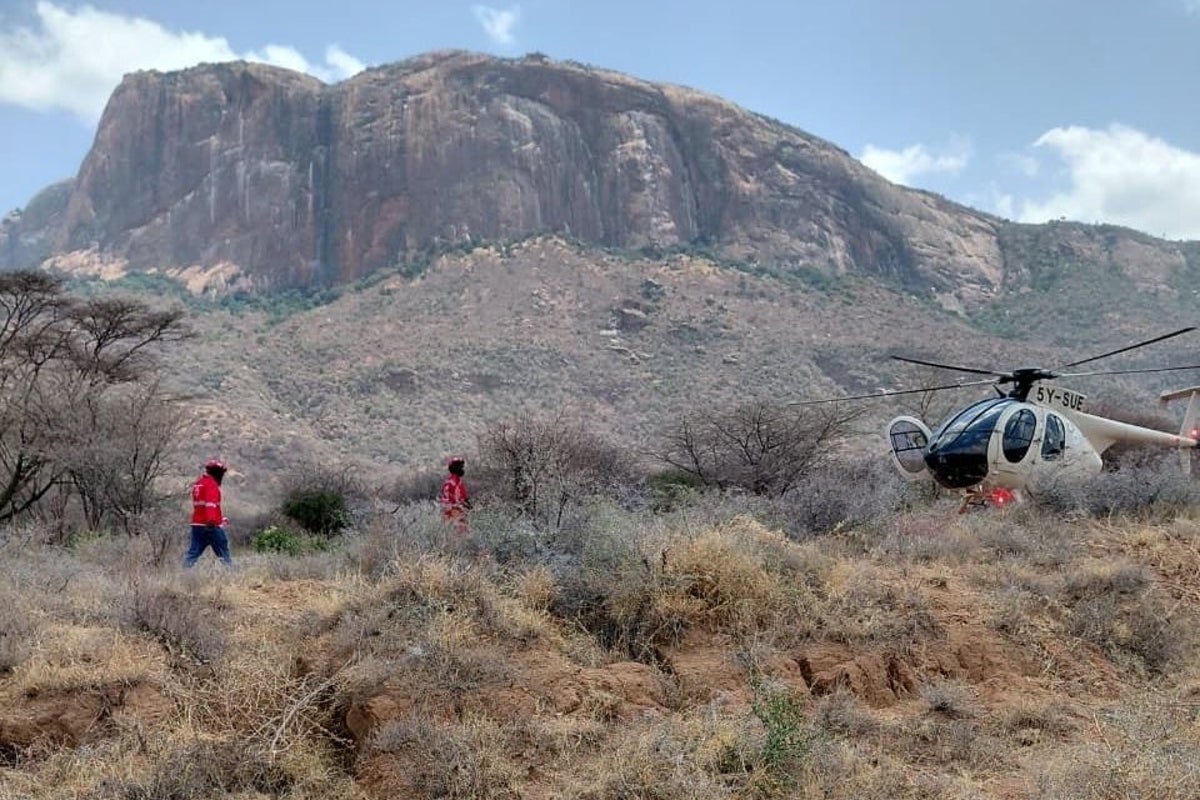
A routine charter flight turned catastrophic on a Wednesday morning in northern Kenya, claiming seven lives—including five American citizens and prominent media executive José Alberto Suárez. The Eurocopter EC130 B4, operated by Lady Lori Helicopters and booked through luxury tour outfit &Beyond, went down at 9:13 a.m. while transiting from the Loisaba Conservancy toward the Ewaso Nyiro region in Samburu County. It smashed into the rugged terrain near the foothills of Mount Ololokwe, a dramatic landscape that draws thousands of travelers seeking remote wilderness experiences.
Official statements from the Kenya Civil Aviation Authority point to an active investigation. Standard aviation boilerplate will likely spend months analyzing weather telemetry, mechanical logs, and maintenance records. But anyone who has spent decades covering the East African aviation sector knows that regulatory inquiries often stop short of examining systemic pressures.
Bush flying is romanticized in brochures. The reality involves brutal operating environments, unforgiving topography, and a quiet economic squeeze that rewards pushing boundaries.
The High Cost of Remote Access
Modern luxury safaris rely heavily on vertical mobility. Visitors want breakfast in the Laikipia plateau and dinner by the Mara River, bridging hundreds of miles of impassable terrain in hours. Helicopters like the EC130 provide that magic. They also operate in spaces where error margins shrink to zero.
Northern Kenya features extreme microclimates. Sudden thermal updrafts, violent wind shear off inselbergs like Mount Ololokwe, and blinding dust devils can compromise visual flight rules in seconds. When a charter aircraft operates in these sectors, the pilot carries the entire weight of environmental unpredictability.
There is an open secret within regional charter bases. Experienced commercial pilots migrate toward corporate fleets in Europe, the Middle East, or North America where pay scales match risk profiles. That leaves a talent vacuum in remote corners of the globe. Tour operators frequently hire junior aviators looking to build flight hours. These young pilots are talented and hardworking, but they often lack the hardened operational intuition required to navigate sudden meteorological traps in unfamiliar wilderness.
Structural Pressures on Local Operators
Safety in aviation is expensive. It requires redundant systems, rigorous oversight, and the institutional confidence to ground a lucrative flight because conditions look marginal.
Local carriers face intense financial gravity. Insurance premiums for aviation in emerging markets have spiked dramatically over the past decade following a string of regional incidents. Maintenance costs for turbine helicopters require hard currency and imported parts, leaving smaller operators vulnerable to supply chain bottlenecks. When profit margins compress, pressure silently bleeds down the operational chain.
Turnaround times shrink. Pre-flight checks get rushed in the dust. The psychological burden on a pilot to complete a charter—knowing that disappointing high-paying guests disrupts an entire multi-thousand-dollar itinerary—creates an insidious form of coercion. Nobody explicitly orders a pilot to fly into bad weather. The system simply makes it very difficult for them to say no.
Tourism Growth Versus Infrastructure
Kenya remains a premier destination for global travelers. Millions of dollars flow into conservancies and eco-lodges, fueling a narrative of seamless African adventure. Yet ground infrastructure and aviation safety oversight have failed to scale at the same pace.
Emergency response in Samburu County is inherently complex. When the Lady Lori aircraft went down, multi-agency teams from the Kenya Red Cross and local operators like Tropic Air scrambled to launch search and rescue efforts. Reaching the crash site required navigating brutal terrain without cellular coverage or established access roads. Hours pass before first responders make physical contact with a remote wreck. Every minute counts when survival depends on immediate trauma care.
Accidents involving charter flights in remote regions are rarely caused by a single catastrophic failure. They accumulate through a chain of small compromises. A slightly late departure. A rising wind over an escarpment. An alternative landing strip blocked by scrub.
The tragedy in Samburu County leaves grieving families across continents and extinguishes vibrant lives. As investigators sift through the scorched wreckage at the foot of Mount Ololokwe, the hard questions must extend beyond this single airframe. The entire model of remote wilderness aviation demands rigorous evaluation. Until the true cost of safety is factored into every safari itinerary, the shadows over the savannah will continue to lengthen.