We forget that policy documents are written on paper that can burn. We forget that behind every geopolitical chessboard move, there is a kitchen table where someone is listening to the radio, waiting to hear if tomorrow will bring a siren or a sigh of relief.
The air in Beirut has a specific weight to it these days. It smells of salt from the Mediterranean, mixed with the sharp, uninvited tension of a city holding its breath. Down narrow alleys where laundry hangs like tired flags, conversations drop to whispers whenever a motorcycle backfires. People here do not talk about ceasefires as abstract diplomatic victories. They talk about them as groceries, as sleep, as the chance to open a window without flinching.
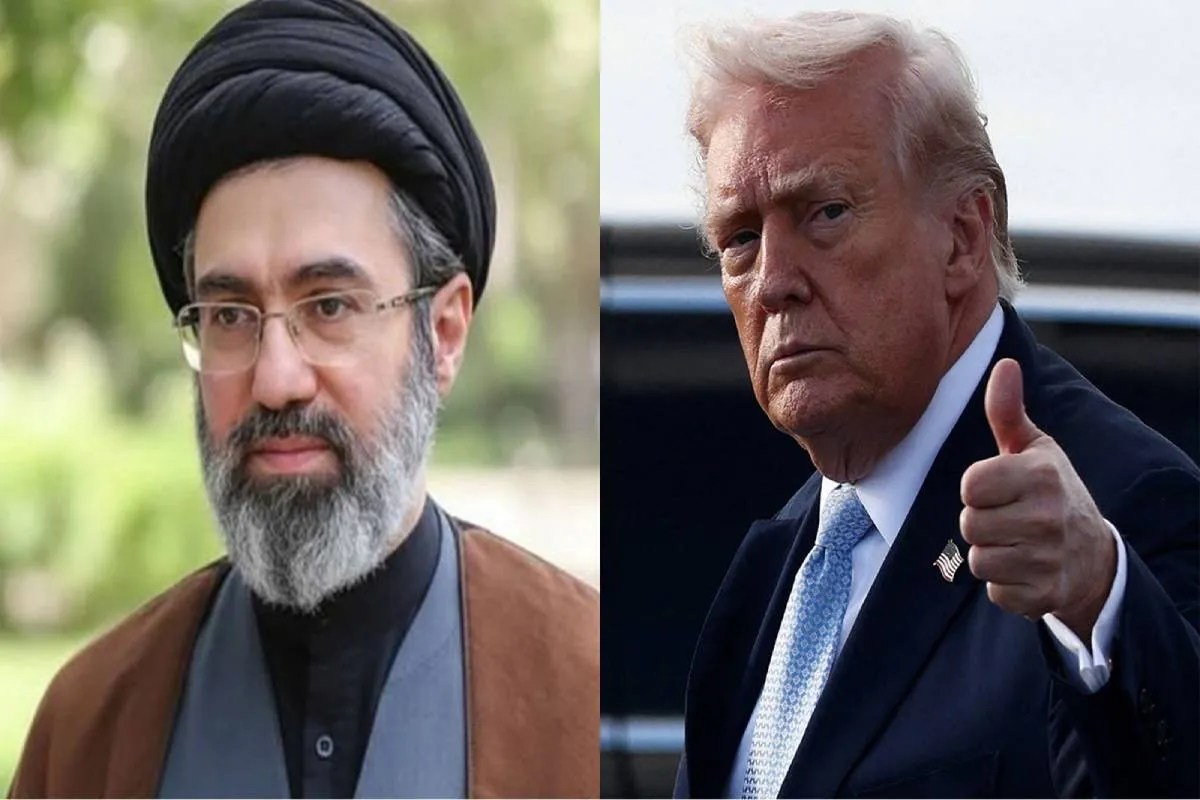
Across the mountains and borders, in the echoing halls of power in Tehran, another kind of calculation unfolds. Here, the focus shifts to inheritance, continuity, and the heavy mantle of leadership. Mojtaba Khamenei stands at the center of a swirling vortex of strategy. His recent demands are not just political bargaining chips tossed casually across a conference table. They are lines drawn in blood and iron. The message sent outward is clear, sharp, and unyielding: any meaningful path toward peace talks with the United States is inextricably shackled to the silencing of guns in Lebanon.
He has thrown an unmistakable weight behind Hezbollah. To understand this stance, you have to look past the televised speeches and the formal communiques. This is about survival, loyalty, and the preservation of a regional network built over decades. For Tehran, Hezbollah is not merely an ally on a map. It is the frontline shield. When pressure mounts, that shield is clutched tighter.
Consider the mechanics of negotiation. Washington wants a broad architecture of regional stability, looking to draw Iran into direct talks that could reshape the Middle East. Tehran looks at Washington and sees an adversary that speaks of diplomacy with one hand while holding a heavy tariff and sanction stick with the other. The deadlock is absolute. Neither side wants to blink first because blinking looks like weakness.
And so, the diplomatic machinery grinds to a halt over a single, non-negotiable premise.
Stop the fighting in Lebanon, the argument goes, and the doors to dialogue might crack open. Keep the war burning, and the iron curtain drops permanently.
It is a grim calculus. Human lives are reduced to footnotes in diplomatic cables. In southern Lebanese villages, stone homes sit shattered like broken teeth. Families who fled north now sleep on gym floors, staring at fluorescent lights, wondering if there is anything left to return to. They do not care about the grand chess matches between superpowers and regional heavyweights. They care about the ceasefires that keep getting promised and keep falling apart before the ink can dry.
When Mojtaba Khamenei emphasizes this linkage, he is signaling that the internal politics of succession and the external posture of resistance are two sides of the same coin. He cannot afford to look soft while consolidating authority. To abandon the southern front would be seen within the inner circles as a catastrophic retreat. Thus, the fate of thousands of ordinary civilians in Lebanon is tethered directly to the high-stakes survival tactics of a regime preparing for its next era.
History teaches us that diplomacy rarely happens in a vacuum of good intentions. It happens when exhaustion outweighs ambition. It happens when the cost of continuing the fight becomes heavier than the bitter pill of compromise. Right now, neither Washington nor Tehran has reached that exact point of exhaustion. Washington believes time and pressure will bend its opponents. Tehran believes endurance will outlast foreign patience.
Meanwhile, the Mediterranean breeze continues to sweep over Beirut, carrying the scent of salt and the persistent, quiet dread of what tomorrow's news ticker might bring. A mother checks her children's shoes, keeping them near the door just in case. Thousands of miles away, an official adjusts his glasses, signing a document that dictates whether those shoes will walk home in peace or run for cover.