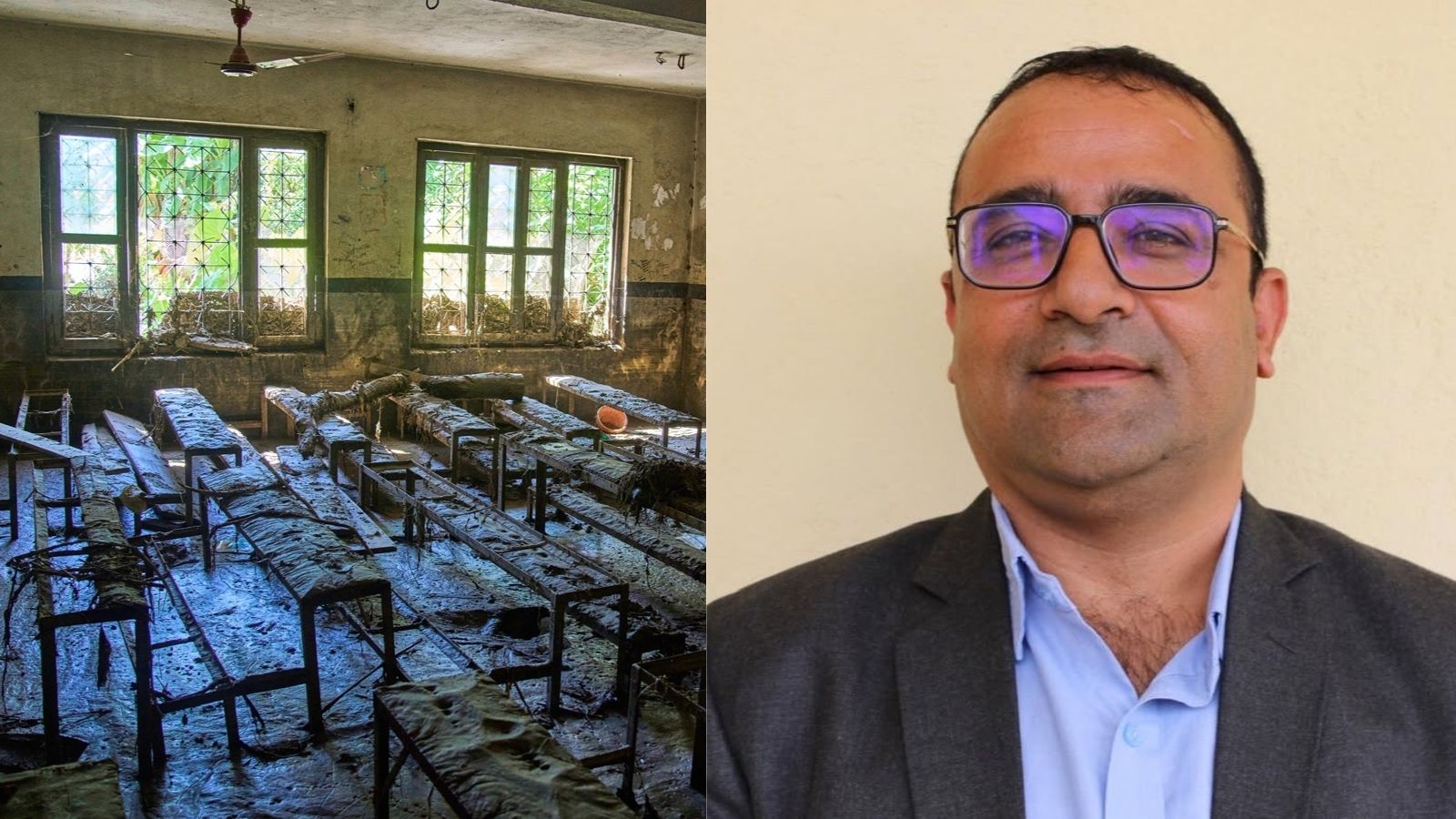
When sudden flash floods tear through mountain regions, the immediate panic gives way to a frantic search for survivors. Families sitting hundreds of miles away stare at glowing phone screens, desperately waiting for a single ping or a reassuring voice. That was the grim reality for several families in Assam after catastrophic floods struck Nepal, washing away roads, sweeping through towns, and leaving hundreds uncontactable.
Out of the initial group reported missing from Assam, state authorities successfully tracked down eight residents. Pankaj Verma, Samar Bezbaruah, Gautam Das, Gopal Debnath, Soneswar Narzary, Sarbison Marak, Silva Marak, and Elphison Sangma were confirmed safe. They survived the chaos triggered by the disaster in northern Nepal's rough terrain. But finding eight people doesn't mean the crisis is over. Rescue coordinators are still scrambling to locate other citizens whose phones went dead when the mudslides hit.
The Chaos of Cross-Border Disasters
Disaster response across international borders is messy. When a glacier-related collapse or heavy monsoon surge causes sudden flooding in Himalayan river basins like Rasuwa, communication lines vanish instantly. Cell towers drop. Roads turn into churning torrents of debris.
For state governments in India, getting accurate, real-time data from local districts in Nepal feels almost impossible in the first forty-eight hours. Families often rely on social media posts or frantic calls to local tour operators just to piece together where their relatives were staying.
Chief Minister Himanta Biswa Sarma confirmed that state machinery worked closely with central agencies to establish contact lines, turning up helpline queries and narrowing down missing-person reports from districts like Karbi Anglong, Golaghat, Hojai, Kamrup Metropolitan, and Nalbari. Yet, tracing everyone takes time because many travelers move in independent groups rather than registered, large-scale tour packages.
Why Tracking Travelers Remains So Difficult
Most people don't register their travel itineraries with local police or state disaster management cells when crossing into neighboring countries for tourism or personal visits. They should. When an emergency strikes, authorities have zero baseline data to start from.
- Independent Travel: Backpackers and small groups rarely update their locations daily.
- Network Blackouts: Power failures instantly isolate entire valley regions.
- Fragmented Database Sharing: Coordinating between foreign ministries, state police, and local rescue teams creates bureaucratic friction.
If you travel through geographically volatile regions prone to flash floods or landslides, register your itinerary with your state's diaspora or disaster management cell. Keep physical copies of emergency contact numbers. Relying purely on a smartphone in the mountains is a losing bet when infrastructure collapses.
The focus now remains firmly on combing through remaining reports, clearing blocked transport routes, and bringing every stranded citizen back home safely.
8 Missing Assam Citizens Found in Nepal, Efforts Underway to Bring Them Back by Air
This video provides local news coverage regarding the rescue and safe tracing of Assam residents following the devastating floods in Nepal.