The yellow police tape wrapped around the headquarters of Sri Lanka’s state-run coal procurement firm isn't a sign of justice. It’s a tombstone for efficiency. While the mainstream press treats the sealing of the Lanka Coal Company (LCC) as a victory for transparency, they are missing the forest for the trees. This isn't a cleanup. It’s a decapitation of the energy supply chain at the worst possible moment.
Public outrage loves a villain. "Irregularities" is the magic word that lets politicians look busy while the power grid teeters on the edge of a blackout. But if you think shutting down the administrative heart of the nation’s coal supply will lower your electricity bill or stop the next "commission" from being paid, you’re dreaming.
The Myth of the Clean Slate
The standard narrative suggests that by locking the doors and seizing the hard drives, the government is "resetting" the system. This is a fundamental misunderstanding of how global commodities work. Coal isn't bought at a corner store. It’s a high-stakes game of long-term credit, maritime logistics, and delicate supplier relationships.
When you seal the headquarters of the only entity authorized to fuel the Lakvijaya Power Station, you aren't just stopping corruption. You are signaling to every international bank and supplier that doing business with Sri Lanka is a legal and reputational suicide mission.
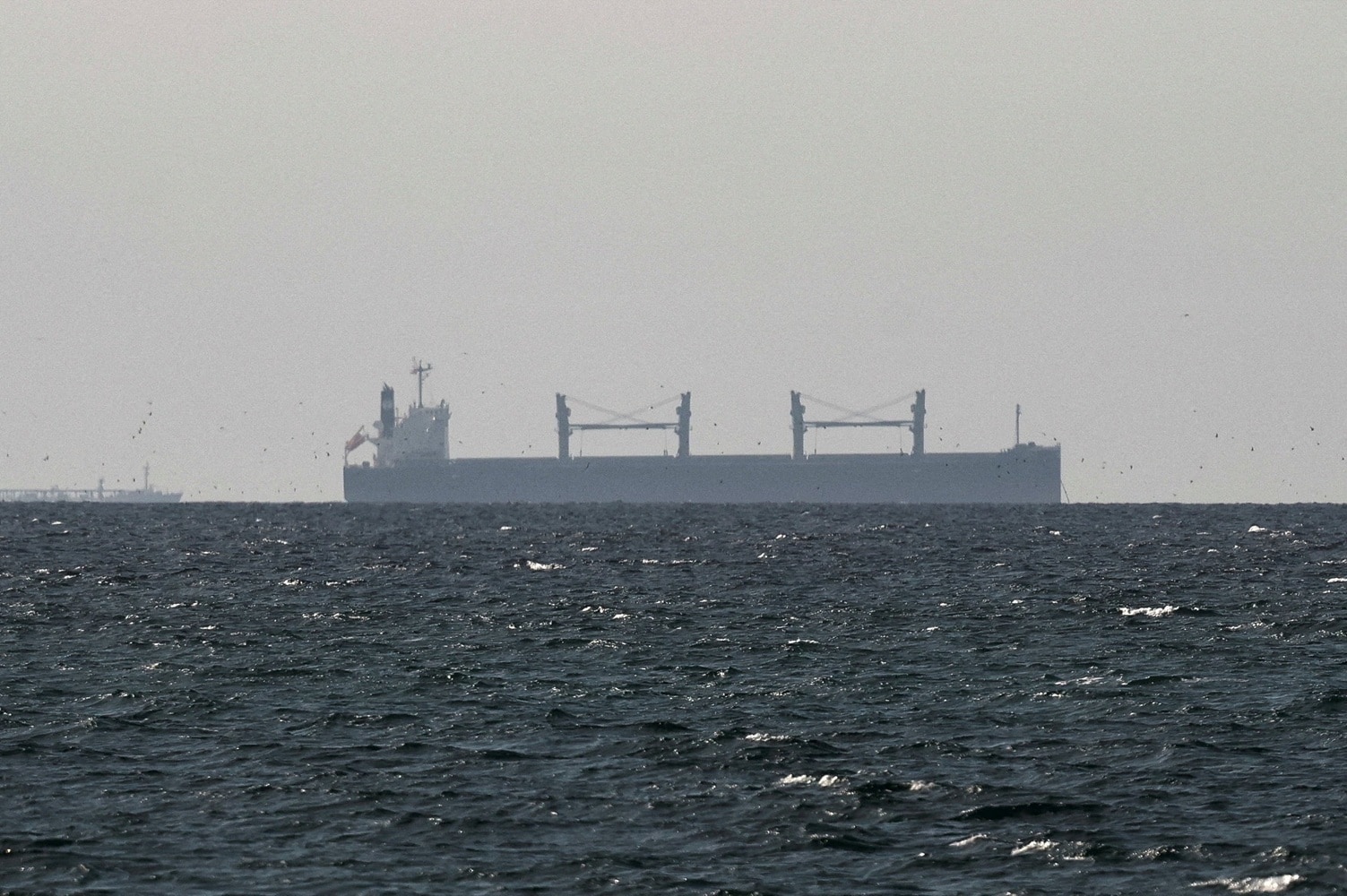
LCC operates on the razor's edge of insolvency and logistics. Every day the office stays closed is a day that letters of credit aren't processed, shipping schedules aren't coordinated, and demurrage charges—those brutal fines for keeping ships waiting—stack up. We’ve seen this play out before. In 2022, the delay in procurement didn't just cause blackouts; it cost the taxpayer millions in emergency spot-market premiums.
The "irregularities" being investigated are almost certainly real. In a state-monopoly system, they are inevitable. But the fix being sold to the public is worse than the disease.
Corruption is a Feature Not a Bug of Monopolies
The "lazy consensus" dictates that we just need "better people" in charge of LCC. This is a fantasy. The problem isn't the people; it's the structure.
Lanka Coal Company is a monopsony—a single buyer. When one entity controls the gate to 40% of the country’s power generation, the incentive for rent-seeking is baked into the floorboards. Sealing the office doesn't change the fact that a handful of bureaucrats decide which billionaire gets the contract.
If the authorities were serious about reform, they wouldn't be posing for photos with padlocks. They would be breaking the monopoly.
Imagine a scenario where independent power producers (IPPs) were responsible for their own fuel procurement. If an IPP fails to secure coal, they lose money. If LCC fails to secure coal, you lose power while they keep their pensions. The risk is entirely socialized.
The current "investigation" is a distraction from the uncomfortable truth: state-run procurement is a relic that cannot survive in a volatile global market. By keeping the procurement centralized, the government ensures that corruption remains a lucrative, high-stakes prize for whoever wins the next election.
The Demurrage Trap You Aren't Being Told About
Let's talk about the math that the news reports ignore.
The Norochcholai plant requires roughly 2.2 million metric tons of coal annually. This arrives in shipments of about 60,000 tons. If a vessel arrives and the paperwork isn't ready because the "headquarters is sealed," the demurrage can run upwards of $30,000 to $50,000 per day.
I have seen state agencies blow through entire budgets just paying for ships to sit idle in the harbor because a clerk was under investigation or a signature was missing. The "savings" from catching a crooked procurement officer are often dwarfed by the massive waste generated by the resulting paralysis.
- The Cost of "Justice": $50,000/day in shipping fines.
- The Cost of "Investigation": Indefinite delays in credit lines.
- The Result: Higher tariffs for the consumer to cover the "administrative costs" of the chaos.
The Credibility Gap
Who is going to bid on the next coal tender?
Serious, Tier-1 commodity traders like Glencore or Trafigura want stability. They want to know that their contracts will be honored regardless of which way the political wind blows. When the government seals its own procurement arm, it scares away the legitimate players and leaves the door open for the "shadow" traders—the middlemen who specialize in high-risk, high-corruption environments.
By making the process "publicly toxic," the government effectively narrows the pool of suppliers to only those who are comfortable with backroom deals. It’s a self-fulfilling prophecy. You claim to fight corruption, you create a mess that only the corrupt can navigate, and then you wonder why the next contract is also "irregular."
Stop Fixing the Firm and Start Fixing the Market
The question "How do we make LCC more honest?" is the wrong question. It assumes LCC needs to exist in its current form.
- Abolish the Centralized Tender: Allow the Ceylon Electricity Board to contract directly with producers or, better yet, privatize the fuel supply risk.
- Digitize the Ledger: Not on a private server in a sealed building, but on a public-facing platform where every bid, every credit note, and every shipping manifest is visible in real-time.
- End the Sovereign Guarantee Dependency: Force these entities to stand on their own financial feet. If they can't get a bank to back their coal purchase without a taxpayer guarantee, they shouldn't be in business.
The theatrical sealing of an office building is a 20th-century solution to a 21st-century systemic failure. It provides the "optics" of accountability without the "mechanics" of reform.
While the cameras are focused on the police at the entrance, the real theft is happening in the silence of the stalled supply chain. Every hour that office is dark, the cost of your future electricity is climbing. The government isn't cleaning up the mess; they are just making sure nobody is at the desk when the bill comes due.
Stop cheering for the padlocks. Start demanding a system where a single office building doesn't hold the nation’s light switch hostage.