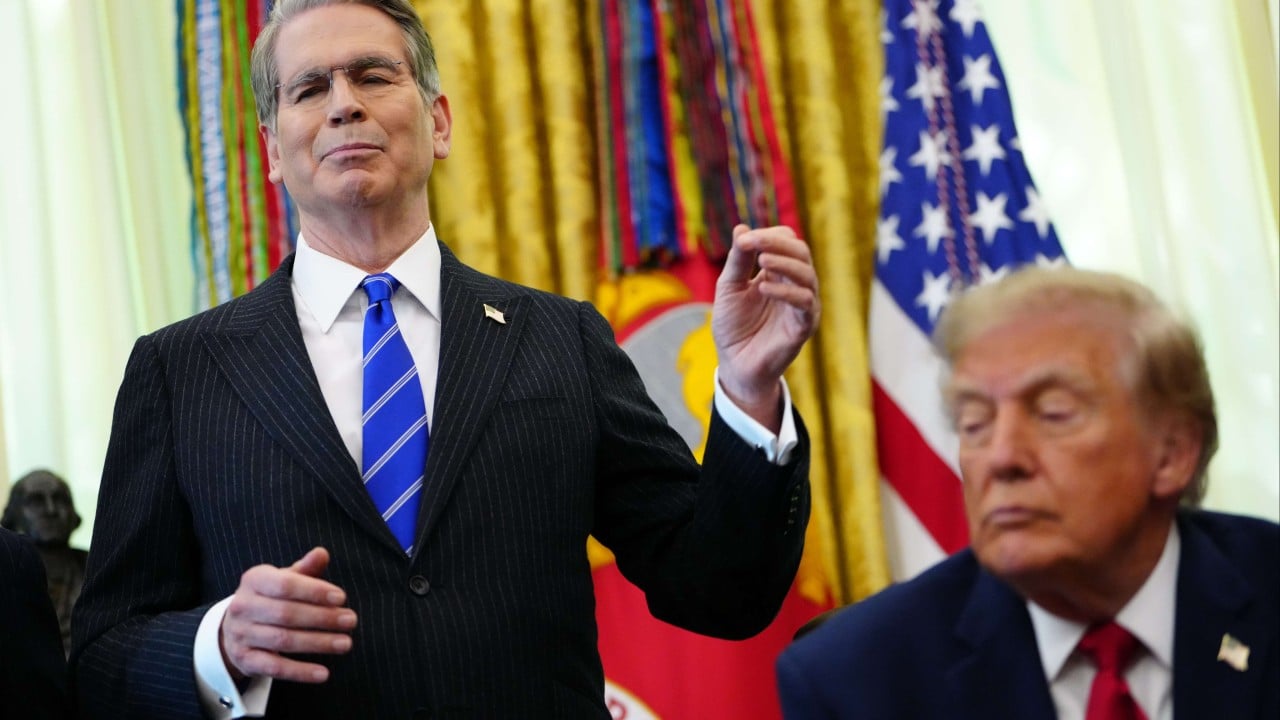
Diplomatic schedules reveal a lot about where real power sits. When high-level economic officials bypass traditional multilateral settings to hold bilateral meetings, pay attention. Reports indicate that US Treasury Secretary Scott Bessent opted to skip key segments of financial gatherings in Hong Kong. Instead, he locked in direct preparations for high-stakes talks in Shenzhen ahead of President Trump’s visit.
Hong Kong has long served as the default stage for international financial diplomacy in the region. Shifting that focus to Shenzhen changes the narrative completely. Shenzhen represents China's hardware capital, its tech engine, and the beating heart of its industrial supply chains. Choosing this venue signals a hard pivot from broad multilateral debates to gritty, face-to-face economic bargaining over trade rules, technology controls, and currency expectations.
What High-Level Shenzhen Talks Mean For Trade Strategy
Diplomacy by default usually means endless communiques that satisfy no one. Bilateral maneuvering between Washington and Beijing operates differently. By prioritizing direct groundwork with Chinese counterparts like Vice-Premier He Lifeng, treasury leadership aims to bypass bureaucratic bottlenecks.
Trade tensions don't get resolved in grand ballrooms. They get hammered out behind closed doors where numbers are crunched and concessions are traded item by item. Bessent's tactical choice reflects a pragmatic approach to economic friction. If you want to secure trade truce extensions or map out tech boundaries regarding artificial intelligence and critical minerals, you go straight to the manufacturing and industrial core.
- Direct engagement cuts through months of diplomatic posturing.
- Focusing on Shenzhen places industrial supply chains front and center.
- High-stakes preparation sets hard guardrails before presidential summits occur.
Moving Past Multilateral Theater
Multilateral summits often suffer from table bloat. Too many opinions dilute the core objectives of the world's two largest economies. When key economic architects bypass standard regional stopovers to concentrate on targeted bilateral groundwork, they are signaling that bilateral clarity matters more than multilateral consensus.
Markets respond poorly to ambiguity. Investors want to know whether export controls will tighten or loosen, how trade frameworks will evolve, and whether supply chain friction will ease. By focusing intense energy on the Shenzhen meetings, economic policymakers are trying to secure tangible deliverables rather than empty diplomatic handshakes.
We are watching a recalibration of how economic superpowers negotiate. Routine stops take a back seat when major structural agreements hang in the balance. Expect future high-level diplomatic visits to follow this pragmatic, location-specific playbook whenever critical economic leverage is on the line.
Bessent Likely to Skip Apec Finance Meet in Hong Kong
This video breaks down the initial reports regarding Scott Bessent's decision to bypass the Hong Kong financial meetings to focus on strategic preparations in Shenzhen.