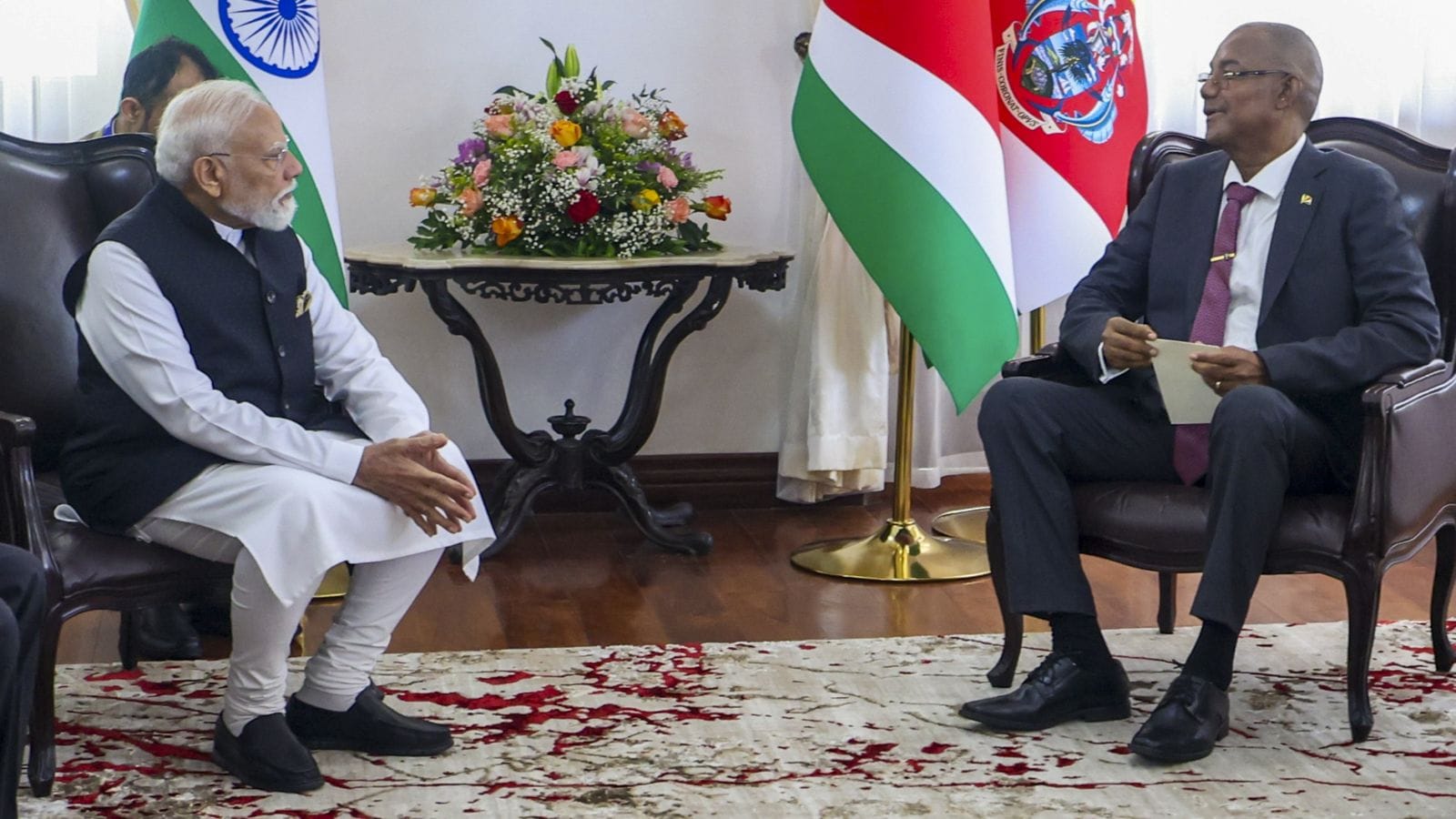
When Prime Minister Narendra Modi stood before the National Assembly of Seychelles in Victoria, he didn't lead with heavy military jargon or complex maritime treaties. Instead, he talked about samosas and chutney.
It sounds light, maybe even a bit trivial for a state visit. But it isn't. Food is the ultimate indicator of how deeply two cultures have blended over centuries. For an island nation sitting right in the middle of the Indian Ocean, those familiar snack flavors represent a 250-year-old human connection that predates modern embassies, border controls, and trade pacts.
The real story of India and Seychelles isn't just about naval cooperation or defense lines. It's about how five Indian travelers landing on an island in 1770 changed the culinary and cultural DNA of an entire archipelago.
The 1770 Voyage That Changed the Menu
Most people think the relationship between these two countries started when official diplomatic ties were established. That's a total misconception. Official ties are celebrating a 50-year milestone, but the human tie goes back way further.
In August 1770, a ship called the Thélemaque dropped anchor at Ste Anne Island. Onboard were fifteen people, including five Indians. Those five individuals didn't just settle down; they integrated into what would become the Creole identity.
Today, Seychelles has a population of around 120,000 people. Only about 5,000 are of direct Indian origin, but their cultural footprint is massive. Walk into any local kitchen in Mahé or Praslin, and you'll find Kari Koko (coconut curry), samosas, and chutney sitting comfortably on dinner tables. It's an everyday reality, not a novelty saved for festivals.
More Than Food: Garba and Moutya Under the Palms
Geopolitical experts love to look at maps and see isolated dots in the ocean. That's a lazy way to look at geography. The Indian Ocean doesn't separate India and Seychelles; it acts as a highway that connects them.
This connection shows up clearly in local traditions. During Navratri, you can find the rhythmic stomps of the Garba dance happening on the islands. Thai Pongal and Deepavali are celebrated with genuine local participation.
This isn't a one-way street of Indian culture dominating either. It's about the "Creole spirit"—a blend where Indian traditions live alongside the African rhythms of the Moutya dance and French-infused language. When Modi noted the Seychelles parliament motto, "Unity in Diversity," he was pointing out a mirror image of India's own pluralistic identity.
The Real Geopolitics Hidden Behind the Snacks
Let's look past the snacks for a second. Why does India care so much about a small island group?
Security in the Indian Ocean region is completely interconnected. If Seychelles faces maritime threats from piracy, illegal fishing, or drug trafficking, India feels the secondary effects. That's why India keeps investing heavily in the Seychelles Defence Forces and Coast Guard through hydrography projects, capacity building, and donating naval vessels.
When a bigger nation pairs up with a smaller island state, the smaller nation usually gets worried about losing its sovereignty. By focusing his landmark speech—the 20th time Modi has addressed a foreign parliament—on shared heritage rather than raw power, India is trying to signal that it views Seychelles as an equal partner, not a strategic pawn.
If you want to understand how these deep cultural ties translate into actual diplomatic action, watching the live footage helps context. You can watch the moment of the address on India Today's YouTube Channel to see how these cultural touchstones resonated with the local assembly.
To truly understand Indian Ocean diplomacy, you have to look beyond the official paperwork. Pay attention to what people are eating, dancing, and celebrating. The next time you see a samosa, remember it might just be the quietest, most effective diplomatic tool in the region.

:max_bytes(150000):strip_icc()/parts-of-a-swamp-cooler-2718628-a477e6f0787b4f8bb62ddf2def31d495.png)