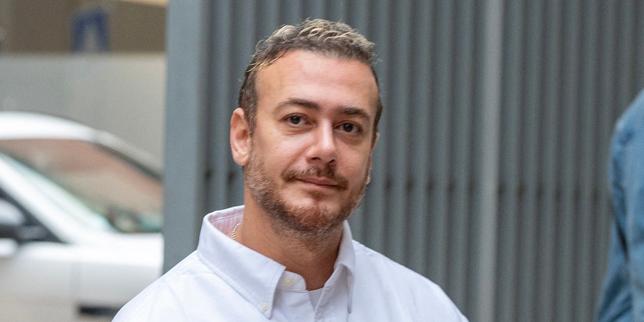
Moroccan pop star Saad Lamjarred filed an appeal against his six-year French prison sentence for aggravated rape, challenging a verdict that shook the Arab entertainment world. The Paris Assizes Court convicted Lamjarred after concluding he beat and raped a 20-year-old French woman in a luxury hotel room in 2016. While his high-profile legal defense team pushes for a complete overturn of the conviction, the case represents far more than a standard celebrity appeal. It exposes a bitter cultural friction between old-world pop stardom immunity and a modern, cross-border judicial reality that refuses to look the other way.
The Paris Hotel Room and the End of Deference
The legal mechanism that brought Lamjarred down relies on the strict testimony of the victim and corroborating forensic data. In October 2016, Lamjarred met the plaintiff at a high-end Paris nightclub. He was at the absolute peak of his global fame, propelled by his hit song "Lm3allem," which garnered over a billion views on YouTube.
The evening ended at the InterContinental Paris Le Grand hotel. According to investigative files, the victim stated that Lamjarred attacked her when she resisted his advances, striking her multiple times before raping her. Hotel staff later discovered her fleeing the room in an obvious state of distress.
Lamjarred vehemently denied the charges, claiming consensual interaction and alleging a deliberate setup. For years, his legal strategy relied on delaying tactics, exploitation of jurisdictional technicalities, and high-level diplomatic posturing. His arrest in France sparked nationalistic defense campaigns across North Africa, where fans viewed the prosecution as a targeted hit by Western authorities against an Arab icon.
The strategy failed. A six-member jury and three magistrates deliberated for seven hours before delivering the guilty verdict, ordering his immediate arrest despite his previous compliance with judicial control.
Global Pop Stardom Meets Territorial Law
To understand why this appeal carries such high stakes, one must analyze the unique cultural economy surrounding Lamjarred. In 2015, King Mohammed VI awarded him Morocco's highest national honor. When the initial arrest occurred in Paris, the Moroccan royal palace initially financed the singer's legal defense, employing elite French attorneys like Thierry Herzog.
This level of institutional backing created an aura of invincibility. For decades, major recording artists in regional markets operated under a domestic shield. If a scandal occurred abroad, financial settlements and political leverage usually smoothed over the cracks.
Lamjarred Legal Timeline:
2010: Accused of assault in Brooklyn, NY (Fled US after bail)
2016: Arrested in Paris for aggravated rape (InterContinental Hotel)
2018: Arrested in Saint-Tropez for a separate rape allegation
2023: Convicted in Paris; sentenced to 6 years; appeals launched
2026: French appellate and secondary trial proceedings begin in the South
France refused to follow the script. The French judiciary operates under strict territorial sovereignty guidelines regarding violent crimes. Diplomatic favors do not dictate the outcomes of criminal trials involving physical trauma. The prosecution relied heavily on a pattern of behavior, pointing to a previous 2010 assault allegation in Brooklyn where Lamjarred fled the United States after posting bail, alongside a separate 2018 rape charge in Saint-Tropez.
The Digital Culture War
The courtroom battle triggered an immediate polarization across digital platforms, revealing deep regional divides over consent and celebrity status.
On one side, a growing coalition of North African feminist groups used the trial to anchor a localized #MeToo movement. They successfully campaigned to cancel Lamjarred’s scheduled performances in Egypt and Lebanon, arguing that his continued presence on stage normalized sexual violence.
Conversely, a massive network of loyalists and fellow Arab pop stars launched aggressive counter-campaigns. High-profile entertainment figures publicly dismissed the conviction as a minor "mistake" or a racist conspiracy orchestrated by French institutions to humiliate a prominent Muslim artist.
This defense mirrors the rhetoric used during the trials of other high-profile figures in France. It frames serious criminal indictments as geopolitical warfare rather than matters of evidence and victim trauma. The strategy aims to preserve the commercial viability of the artist's catalog, keeping his music streaming and his brand alive while he remains behind bars.
The Appeal Mechanics and Judicial Reality
An appeal in the French assizes system means the entire case is re-examined by a different court configuration. It is not a simple review of paperwork; it is a full second trial where witnesses testify again, and evidence is re-argued from scratch.
Lamjarred's legal team intends to exploit the lack of direct DNA evidence proving non-consent, a common defensive pivot in acquaintance rape trials. They argue that the initial court relied too heavily on the psychological consistency of the victim's testimony rather than absolute physical proof.
However, French criminal law allows conviction based on the "intime conviction" (deep conviction) of the judges and jury, provided the circumstantial and testimonial evidence forms an unassailable narrative. The visible physical injuries documented by hotel staff and medical examiners immediately after the incident present a severe hurdle for the defense team.
The outcome of this appeal will set a critical precedent for international entertainment law. It serves notice to global talent management agencies that regional dominance cannot insulate a client from criminal prosecution in foreign territories. Wealth and state-level adoration no longer guarantee an escape hatch when the crime leaves a paper trail across international borders.