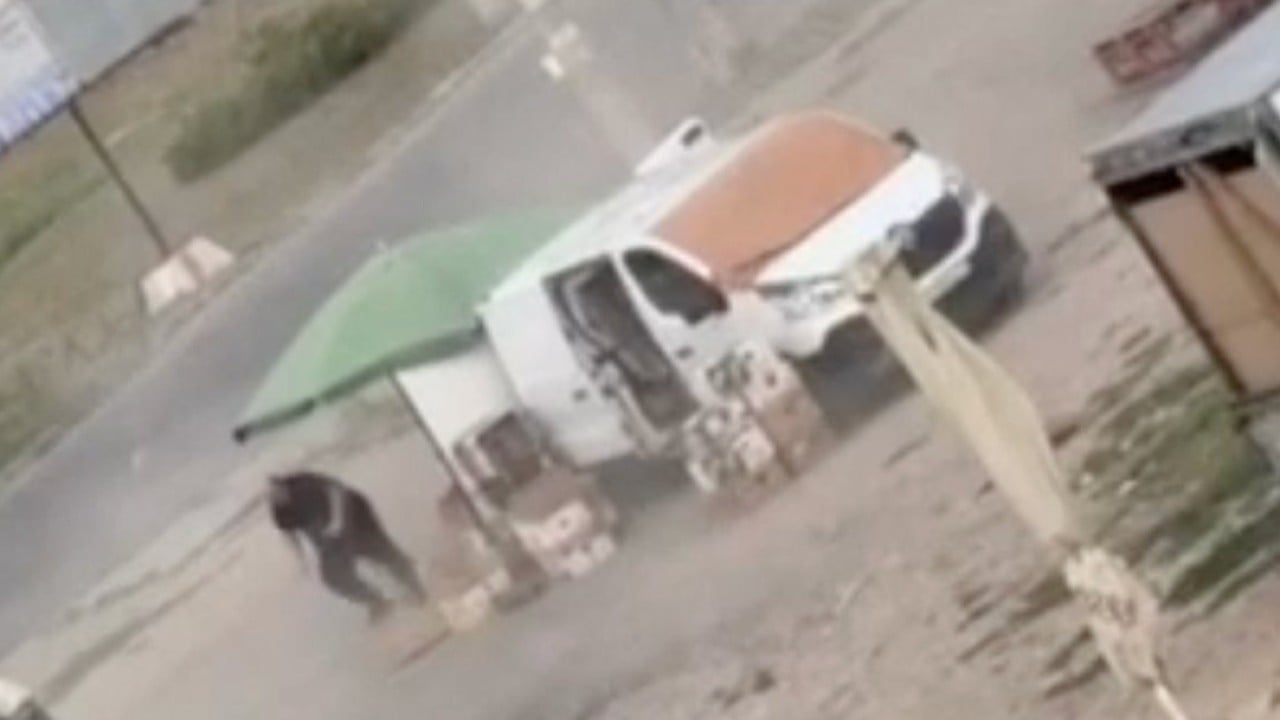
A low buzz shatters the morning quiet of an open-air market in Kherson. Seconds later, a remote-controlled explosive device dives from the tree line, relentlessly hunting down a lone vendor unloading crates of produce.
This is not a sci-fi dystopia. It is the grim daily reality of southern Ukraine, where Russian military operators increasingly use first-person view (FPV) drones to stalk and terrorize civilians in what Ukrainian authorities rightly label a gruesome "drone safari".
When footage surfaced showing a 52-year-old street vendor named Yurii being chased around his delivery van before the drone detonated near him, it pulled back the curtain on a terrifying tactical shift. Yurii survived with shrapnel wounds and severe concussions, but thousands of similar attacks across Kherson go completely undocumented.
Let's look at why these hunting tactics matter, what the data shows, and why civilian areas near the front lines have transformed into open-air shooting galleries.
The Anatomy of a Modern Civilian Hunt
To understand how these attacks work, you have to look at the technology. FPV drones are cheap, highly maneuverable, and equipped with high-definition cameras that give operators a first-person perspective. Originally designed for racing, they have been weaponized on a massive scale.
In places like Kherson's Tavriiskyi district, Russian operators use these quadcopters to target everyday life:
- Street vendors setting up market stalls
- Municipal workers trying to repair blown-out power lines
- Public transport and civilian cars moving down open roads
The psychological warfare element is deliberate. When an operator spots a civilian, the chase becomes a sport. Survivors report hearing the distinct high-pitched whine of rotors before scrambling for cover behind market stalls or concrete barriers, knowing there is barely any shelter in the flat steppe landscape.
Why Kherson Has Become Ground Zero
Kherson sits in a vulnerable geographical trap. Following the liberation of the city's right bank by Ukrainian forces, Russian troops entrenched themselves across the Dnipro River. That narrow water barrier acts as a launching pad for short-range reconnaissance and attack drones.
Because the front line is so close, FPV drones can cross into urban neighborhoods with minimal battery expenditure. Operators sitting miles away in fortified dugouts view civilian targets through digital screens, turning the destruction of a vegetable stand into a video game.
Ukrainian President Volodymyr Zelenskiy condemned the recent market attack directly, pointing out that Russian operators often show zero remorse and even boast online about tormenting non-combatants. Publishing these hunting videos on social channels has become a sickening form of psychological intimidation, weaponizing fear to empty out front-line cities entirely.
The Escalating Human Toll
The numbers back up the horror. Recent reports from United Nations monitors highlight a staggering surge in civilian casualties. Long-range missile barrages and pervasive drone strikes have pushed casualty rates significantly higher than previous years. In Kherson Oblast alone, dozens of civilians are routinely injured or killed over single 24-hour windows.
Foreign Minister Andriy Sybiha didn't mince words, labeling these strikes a systemic war crime designed to systematically break the will of the local population. International law explicitly prohibits targeting non-combatants or treating civilian terror as a military objective. Yet, enforcement remains an impossible puzzle when the weapons are small, portable, and launched daily by the thousands.
What Needs to Happen Now
Condemnations on social media won't stop a quadcopter packed with explosives. Halting this campaign requires concrete actions that go far beyond diplomatic statements:
- Electronic Warfare Enhancement: Front-line communities desperately need expanded mobile electronic jamming gear to disrupt drone control frequencies before they reach civilian zones.
- Targeted Sanctions on Component Suppliers: FPV drones rely on readily available commercial microchips and batteries sourced globally. Cutting off supply chains at the root limits mass production.
- Air Defense Decentralization: Traditional air defense systems are too heavy and expensive for cheap drones, meaning lightweight, localized kinetic and electronic countermeasures must be deployed directly into cities like Kherson.
The drone safari isn't an accidental byproduct of war. It's a calculated strategy of attrition aimed at making normal life impossible. Until the international community forces a shift in weapon availability and enforcement, vendors like Yurii will keep ducking for cover behind their market stalls.