The asphalt of Pennsylvania Avenue has absorbed stranger things than racing slicks, but it has never seen anything quite like this.
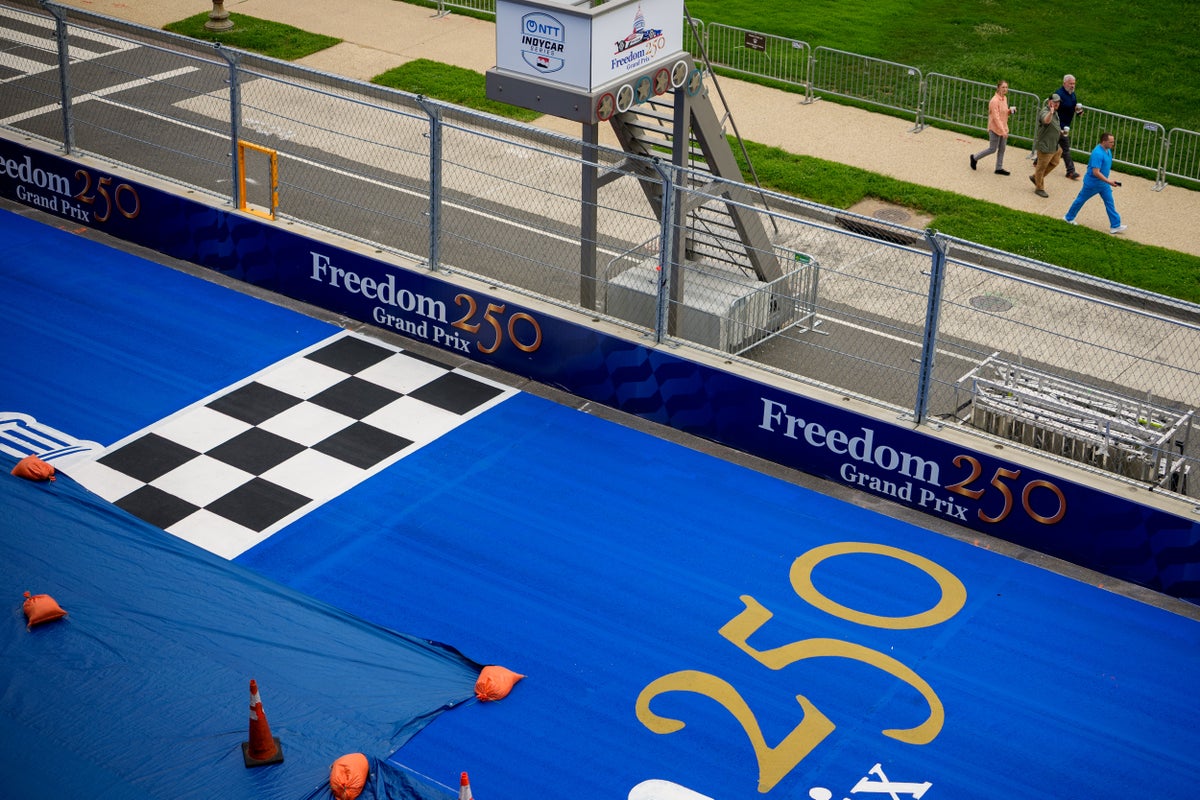
Motorsports history is being forged on the National Mall with the inaugural Freedom 250 Grand Prix. This temporary 1.7-mile street circuit, birthed from a White House executive order in January, brings the NTT IndyCar Series right past the steps of the U.S. Capitol and the shadow of the Washington Monument. Behind the roaring exhausts and the high-stakes political pageantry lies an unprecedented logistical puzzle and a stark look at how modern power and sports promotion intersect.
The Engineering Behind the Monumental Circuit
Transforming the historic core of the federal city into a high-speed motorsport track required extraordinary intervention. Normal street circuits take years of municipal planning, environmental reviews, and local legislative wrangling. This race went from a presidential signature to green flags waving in less than eight months.
Crews spent the week leading up to the event welding down more than 200 manhole covers along the 147-lap route. The sheer aerodynamic downforce and suction generated by modern open-wheel cars racing at speeds reaching 185 miles per hour can pull utility covers straight out of the ground. That is the brutal physical reality of street racing that television broadcasts rarely capture. Engineers had to balance the preservation of federal property with the unforgiving kinetic demands of 700-horsepower racing machines.
The layout utilizes a sweeping 0.4-mile frontstretch where drivers test the limits of acceleration before hammering hard on the brakes for tight 90-degree turns flanked by iconic museums and administrative buildings. It is an architectural backdrop unlike any other on the global motorsports calendar. Yet the speed and spectacle are only half the story.
The Convergence of Politics and the Paddock
President Donald Trump’s direct involvement shifted this athletic competition into a central pillar of the nation's semi-quincentennial celebrations. By utilizing executive authority to cut through the notoriously dense bureaucratic red tape of the District of Columbia, the administration bypassed the traditional multi-year permitting process that usually stifles urban race proposals.
Critics point to the heavy political branding as an unorthodox intrusion of executive power into sports promotion. Supporters argue that aggressive administrative action was the only way to deliver a world-class spectacle for a landmark national anniversary. Either way, the event serves as a masterclass in how major sporting spectacles can be willed into existence through sheer political momentum.
Security rings are tight, matching the complexity of a State of the Union address rather than a standard IndyCar weekend. Federal agencies, including the Department of the Interior and the Department of Transportation, collaborated directly with series organizers and local municipal offices to construct a temporary fortress of concrete barriers and catch-fences around the nation's front yard.
Beyond the Main Event
The weekend schedule leans heavily into nostalgia alongside contemporary competition. Alongside the primary IndyCar field featuring series veterans and champions, the historic International Race of Champions (IROC) format makes a notable appearance. Retired legends from NASCAR and IndyCar eras are climbing behind the wheel of authentic mid-90s Pontiac Firebirds, offering a distinct bridge between motorsport generations.
This juxtaposition of vintage racing machinery against modern high-tech hybrid power units mirrors the broader thematic tension of the weekend. The event is designed to honor historical legacy while projecting future-facing energy directly to a national television audience on Fox.
Logistical hurdles remain the ultimate arbiter of success for urban races. Traffic displacement, local business access, and public transit modifications affect hundreds of thousands of daily commuters and tourists. How the city handles the immediate aftermath of the grand prix will determine whether this becomes a permanent fixture or a singular, unrepeatable experiment in civic engineering.
The checkered flag drops, the crowds disperse, and the temporary walls come down. The monuments remain, scarred lightly by tire rubber, telling the story of an unforgettable weekend where speed met the state.