The rain in the Himalayan foothills does not fall like rain elsewhere. It does not arrive with a polite patter on the tin roof, nor does it offer a gentle warning of darkening skies. It comes as a wall. It is a dense, gray avalanche of water that swallows the ridges, erases the horizon, and turns the familiar paths of red clay into slick, greasy chutes of mud.
By the time the village of Melamchi woke to the roar, the river had already forgotten its banks.
Water is life, until it is an executioner. For generations, the communities clinging to the steep, terraced slopes of Nepal viewed the monsoon with a mixture of reverence and weary acceptance. The rains fed the maize, filled the paddy fields, and swelled the mountain springs. But the climate is no longer playing by the old rules. The atmosphere holds more heat, the heat holds more moisture, and the mountains—young, fragile, and constantly crumbling—are buckling under the weight of sudden, monstrous deluges.
Consider what happened when the cloudburst hit.
In a matter of hours, small trickles transformed into roaring torrents of chocolate-colored water, carrying boulders the size of houses, stripped pine trees, and the wreckage of upstream bridges. When the final tally of the disaster was locked into official ledgers, the number was 734. Seven hundred and thirty-four lives erased by the flash floods.
Statistics are cold things. They are tidy digits printed on newsprint, easily digestible, quickly forgotten over a morning cup of tea. Seven hundred and thirty-four is a statistic. It is a dry entry in a spreadsheet maintained by disaster management agencies.
But numbers do not breathe.
Imagine a hypothetical household, though we know it happened hundreds of times over on that terrible night. Let us call him Ram. Ram is fifty-two, a man whose hands are permanently stained with the dark soil of the hillside where he grew cardamom. He lived fifty yards from the riverbed, safely above what his grandfather called the high-water mark. No flood in living memory had ever reached his porch.
At two in the morning, Ram did not hear water. He heard a low, tectonic groan—the sound of the earth tearing itself apart beneath the surface. Before he could light an oil lamp, the floor beneath his bare feet turned to liquid. The wall of his kitchen dissolved not with a crash, but with the quiet sigh of unbaked clay meeting an unstoppable force.
There is a profound, terrifying loneliness in a flash flood. It happens in the dark. The electricity fails instantly, plunging entire valleys into a pitch-black chaos where the only illumination is the erratic, blinding flash of sheet lightning revealing a world that is no longer there.
How do we process a tragedy of this scale?
We look for villains. We point fingers at unmitigated road construction scarring the unstable hillsides, at unchecked sand mining in the river channels, at the slow, warming creep of a global climate crisis driven by distant cities that the people of Melamchi will never see. All of these accusations are true. The vulnerability of Nepal is a man-made puzzle box of fragile geology meeting aggressive, unregulated development.
Yet, pointing fingers does not rebuild a house. It does not fish a child's schoolbook out of the silt yards away from where a village once stood.
The real story of the 734 lives lost is not just about the water that fell from the sky. It is about the invisible architecture of survival that failed when it was needed most. Early warning systems in remote Himalayan gorges are often primitive—a WhatsApp group among village elders, a phone call from a ranger ten miles upstream, a frantic shout in the night. When the communication lines snap under the first gust of wind, the warning dies in the air.
People were caught in their beds because the river moved faster than the news.
I remember talking to a relief worker who waded into the debris days after the waters receded. He told me about the silence. Not the peace of a quiet morning, but the heavy, suffocating silence of absence. Entire extended families vanished, leaving behind stray dogs wandering through empty courtyards and mounds of gray silt where living rooms used to be. The local economy—built on the fragile backbone of mountain tourism, trekking lodges, and subsistence farming—shattered overnight.
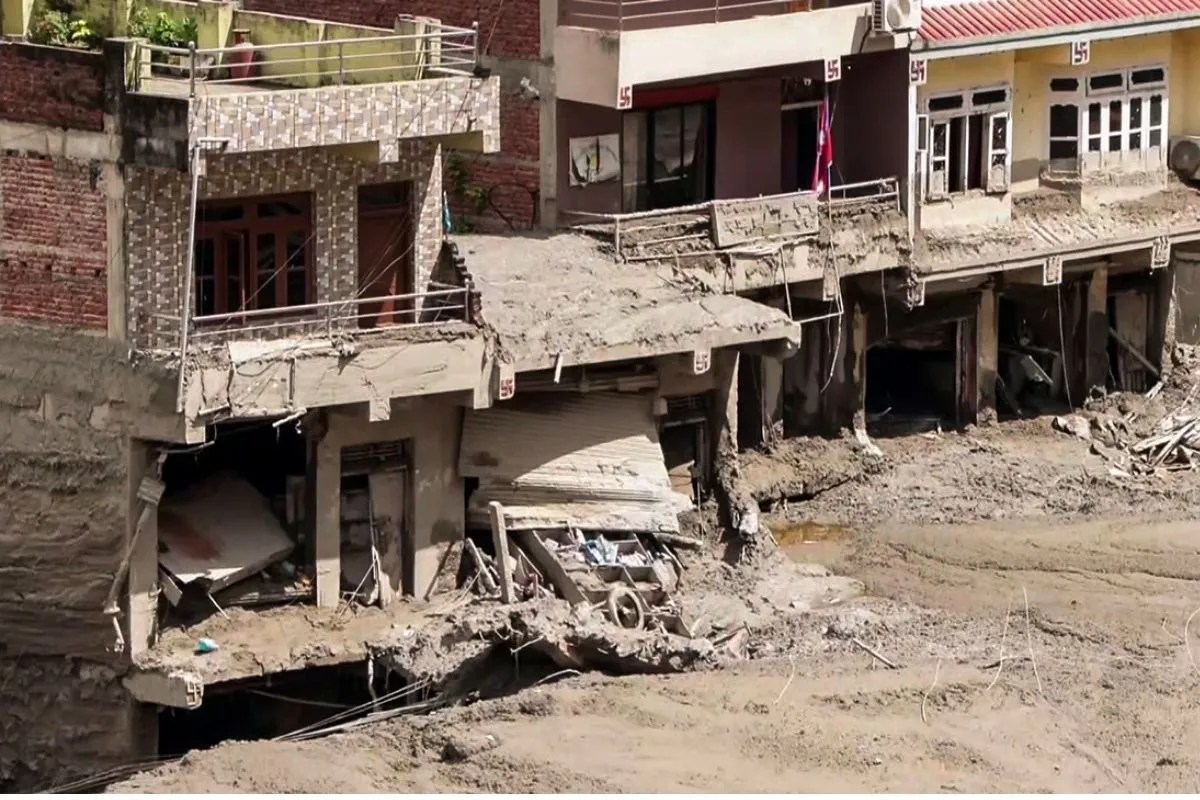
When the floodwaters finally receded, they left behind a lunar landscape of gray gravel. The geography of the valley was rewritten. Paths that had connected neighbors for centuries now ended abruptly at fifty-foot drop-offs where the river had carved a new, angry channel.
We must ask ourselves what we owe to the slopes of the world.
The tragedy in Nepal is not an isolated local tragedy. It is a preview. It is a stark, unyielding demonstration of what happens when the planet's hydrological cycle shifts into a higher, more violent gear. The glaciers above are melting, carving out unstable lakes that threaten to burst their moraine walls at any moment. The monsoon rains are arriving later, lasting shorter, but dropping double the volume in half the time.
The math of survival is changing.
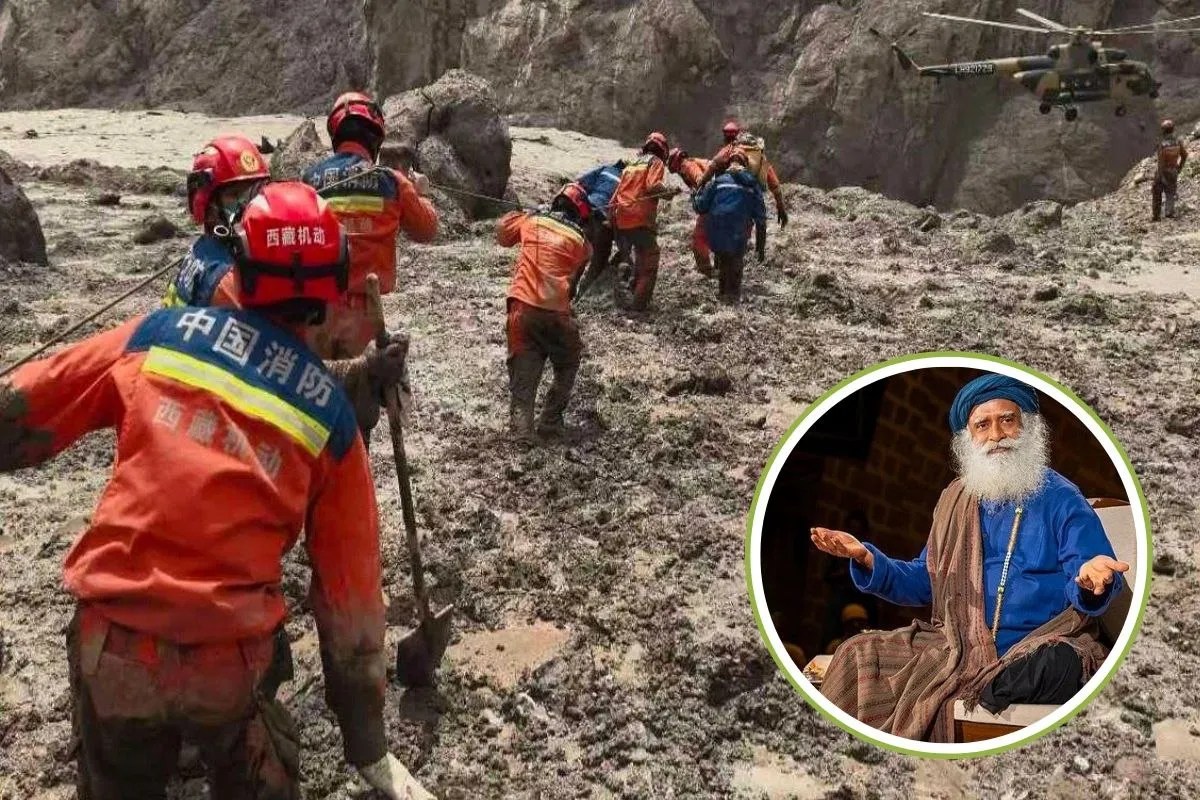
Yet, amidst the devastation, something else happened. It is the part of the story that rarely makes the breaking news ticker. Before international aid could navigate the blocked mountain roads, neighbors were digging neighbors out of the mud with bare hands. Teenagers formed human chains to pull elderly women across swollen tributaries. In temporary relief camps set up in schoolyards, women who had lost everything shared their meager rations of lentils and rice with strangers.
Human resilience is stubborn. It is an irrational, beautiful refusal to stay buried.
The 734 souls lost in the floods are gone, but the earth they walked on remains, scarred and healing in slow motion. As the sun rises over the bruised valleys of the Himalayas, it catches the glint of a new makeshift bridge spanning the angry waters—built by hand, secured with rope and hope, waiting for the next rain.