When 49-year-old Sukamto Ayok stepped onto a flight to Moscow in July 2026, he expected to spend the next year working construction. Instead, he ended up with an identification number tattooed onto his chest, a rifle he barely knew how to use, and a front-line deployment in southern Ukraine.
His capture by Ukrainian forces in Zaporizhzhia—making him the first confirmed Indonesian prisoner of war fighting for Russia—shattered any illusion that Southeast Asia sits safely on the sidelines of Europe's largest ground conflict since World War II. Within days of Ukraine's "I Want to Live" surrender project publishing his story on November 11, 2026, Jakarta launched an aggressive multi-agency crackdown spanning immigration checkpoints, cybercrime units, and criminal trafficking task forces.
Most coverage treats this as a simple tale of mercenaries chasing quick cash. That misses the actual story. While a handful of rogue ex-soldiers did sign up willingly earlier in the year, Ayok's case exposed an industrial-scale human trafficking pipeline turning desperate Indonesian migrant workers into front-line infantry.
How a Bogus Construction Job Became a Frontline Deployment
To understand why Jakarta panicked in November 2026, you have to trace the exact mechanics of Ayok's recruitment. Nothing about it looked like a military enlistment drive from the outside.
According to testimony released by Ukraine's "I Want to Live" project, Ayok—a native of Blitar in East Java—was approached by a former schoolmate acting as a broker for a recruiter named Alexander. The pitch was familiar to millions of Indonesian migrant workers (pekerja migran Indonesia): steady overseas pay in Russia's construction sector. On July 22, 2026, Ayok flew to Moscow alongside an old acquaintance.
Upon arrival, the bait-and-switch unfolded in stages:
- Initial placement: Recruits were housed in a Moscow apartment and briefly put to work as cleaners to maintain the illusion of civilian employment.
- The language trap: Handlers then presented a one-year contract written entirely in Russian. Told it was standard construction paperwork, Ayok signed without understanding a word.
- Military absorption: That document was an enlistment contract with Russia's Ministry of Defense, assigning him to the 39th Separate Motorized Rifle Brigade.
- Coercion and branding: Ayok realized the deception while being transported toward Russian-occupied Donetsk alongside a dozen other men. When he and another Indonesian citizen tried to escape, Russian handlers caught them, detained them, and allegedly forced an identification number tattoo onto Ayok's chest to track him.
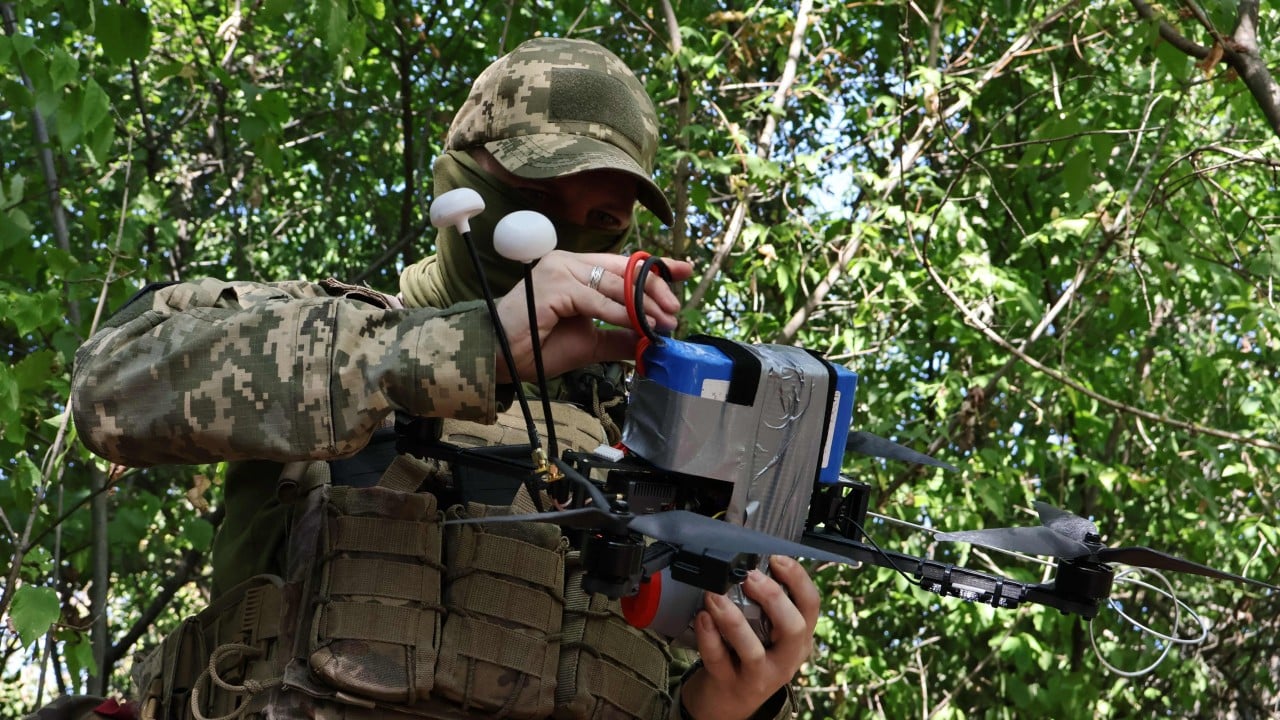
By the time his unit was pushed into assault operations in the Zaporizhzhia region without proper combat training, survival came down to pure luck. A Ukrainian drone strike scattered his squad. Ayok walked alone for days before reaching Ukrainian positions and surrendering.
Honestly, this wasn't an isolated administrative mix-up. A dossier handed to the Indonesian Embassy in Kyiv by Ukrainian authorities identified 292 Indonesians serving inside Russian military units, with 283 of them recruited between January and September 2026 alone. Moscow's mounting battlefield casualties—estimated by defense analysts at roughly 35,000 killed and wounded per month—created an insatiable appetite for foreign manpower. Southeast Asian job seekers became prime targets.
The Legal Catch-22 Facing Recruited Indonesians
Here is where things get messy for anyone caught in this trap. Indonesian law makes zero distinction between a starry-eyed mercenary and a tricked construction worker when it comes to citizenship status.
Under Article 23 of Law No. 12 of 2006 on Citizenship, any Indonesian citizen automatically loses their nationality if they enter the military service of a foreign country without prior authorization from the President. Because Indonesia strictly prohibits dual citizenship for adults, losing that status renders a person effectively stateless.
Jakarta already proved it will pull that trigger. Back in January 2026, Indonesian authorities stripped the citizenship of two former security personnel—dishonorably discharged policeman Muhammad Rio and ex-marine Satria Kumbara—after viral social media posts showed them bragging about fighting for Russian mercenary units and showing off ruble payouts.
At the time, officials treated foreign enlistment as a fringe disciplinary problem involving rogue ex-officers. Defense Minister Sjafrie Sjamsoeddin initially pushed back against early rumors of widespread civilian enlistment. Then came reports in late October 2026 of an Indonesian national killed on the Russian front lines, followed two weeks later by Ayok's capture.
Suddenly, the government faced a dual crisis. If Ayok and hundreds of others voluntarily signed Defense Ministry contracts—even under fraudulent pretenses—strict enforcement of the 2006 Citizenship Law could strip them of consular protection right when they sit in foreign POW camps. Yet letting the recruitment networks operate unchecked meant watching vulnerable citizens get funneled into a meat grinder.
Inside Jakarta's Multi-Agency Crackdown
Once Ayok's interrogation footage went public, Jakarta shifted from diplomatic caution to domestic enforcement. Officials recognized that domestic brokers were exploiting the exact same rural recruiting pipelines traditionally used to send workers to Malaysia, Taiwan, and the Middle East.
Dismantling the Trafficking Syndicates
The Indonesian National Police (Polri) reclassified predatory war recruitment as a transnational human trafficking offense rather than a simple immigration violation. By November 2026, criminal investigators had named 13 suspects tied to domestic syndicates funneling recruits toward Russia, charging them under both the Human Trafficking Crime Law and the Migrant Worker Protection Law—statutes carrying heavy prison terms.
In West Jakarta alone, police arrested eight suspects, including both Russian and Ukrainian nationals accused of running a ring that recruited 23 Indonesian men. Fifteen of those recruits had already traveled to Russia on tourist visas and entered military service before police intercepted the remaining eight.
Border Interceptions and Digital Policing
Enforcement didn't stop at police raids. Immigration and Corrections Minister Agus Andrianto announced on November 24, 2026, that border officers had thwarted the departure of 1,502 citizens attempting irregular travel throughout the year, explicitly flagging 21 individuals intercepted on their way to join Russian mercenary units. Authorities also rejected 94 suspicious passport applications during the screening stage.
At the same time, cyber units working alongside the Coordinating Ministry for Political and Security Affairs ramped up monitoring of Telegram channels, TikTok accounts, and Facebook groups advertising high-paying overseas "logistics," "security," or "factory" gigs in Eastern Europe. Foreign Ministry spokesperson Yvonne Mewengkang confirmed that Jakarta formally demanded Moscow halt all military and paramilitary recruitment of Indonesian citizens, arguing that deceptive job offers cross the threshold into human trafficking.
Why Fake Overseas Job Scams Keep Working in Indonesia
You might wonder how anyone still falls for a "construction job in Russia" pitch during an active war. Having tracked Southeast Asian labor migration and scam networks for years, I can tell you the playbook relies on deliberate friction and economic pressure rather than naivety.
First, recruiters rarely mention Ukraine or combat in initial messages. They advertise roles in Moscow, St. Petersburg, or Vladivostok—cities far from the front lines—offering monthly salaries between $2,000 and $3,000. For a worker in East Java earning a fraction of that amount, the math overrides skepticism.
Second, brokers use trusted local intermediaries. Ayok wasn't cold-called by a Russian intelligence officer; he was pitched by an old schoolmate. In rural Indonesian communities, personal referrals carry far more weight than government travel advisories. When a neighbor or former classmate vouches for an overseas agency, families routinely take out high-interest loans to cover airfare and visa fees.
Third, the tourist-visa workaround bypasses Indonesia's official labor vetting system. Legitimate overseas placements require registration with the Indonesian Migrant Worker Protection Agency (BP2MI), mandatory pre-departure briefings, and verified employment contracts translated into Bahasa Indonesia. Syndicates tell recruits that tourist visas are simply a "faster track" to bypass bureaucratic delays. Once a worker lands in Moscow on a tourist visa without legal work authorization, their passport and financial leverage disappear.
Practical Steps to Verify Overseas Job Offers and Avoid Trafficking Traps
If you or someone in your family is considering an overseas job offer—whether in Russia, Eastern Europe, or anywhere else—never rely on a broker's verbal assurances or WhatsApp screenshots. Run every offer through a strict verification checklist before handing over a passport or transferring money.
- Verify agency licensing directly through BP2MI: Every legitimate Indonesian overseas recruitment agency (P3MI) must hold an active license listed on the official Indonesian Migrant Worker Protection Agency (BP2MI) portal. If a recruiter tells you to travel on a tourist or business visa and "convert" it after landing, walk away immediately. That is the universal hallmark of a trafficking operation.
- Demand a bilingual contract before departure: Under Indonesian labor regulations, overseas employment contracts must be written in both Indonesian and the host country's language, and verified by the Indonesian embassy or consulate in that country. Never sign a single-language foreign document at an airport or overseas apartment, regardless of how urgently a handler rushes you.
- Cross-check employer registration independently: Ask for the hiring company's legal registration number, physical address, and direct landline—not just a Telegram handle. Call the Indonesian Embassy in the destination country directly to confirm whether the employer is accredited to hire foreign nationals.
- Report suspicious recruitment ads immediately: If you spot social media posts promising unusually high wages for unskilled labor in conflict-adjacent regions, report the accounts and broker details to the Indonesian National Police cybercrime hotline or the Ministry of Foreign Affairs' Safe Travel citizen protection portal so authorities can freeze the network before another worker boards a flight.