Fluorescent lights hum over a glass counter in a crowded shopping arcade. A row of tiny vials sits beside cotton pads, alcohol swabs, and glossy before-and-after photos taped to the mirror. No white coats. No hospital chart. Just a promise that twenty minutes and a credit card swipe can erase fatigue, soften fine lines, and make a tired face look rested again.
Walk past enough of those storefronts in a dense city and you stop noticing the rhythm of them. People rush in on lunch breaks. Friends go together after work. A quick jab in the cheek or under the eye feels almost as routine as buying iced coffee. For another perspective, consider: this related article.
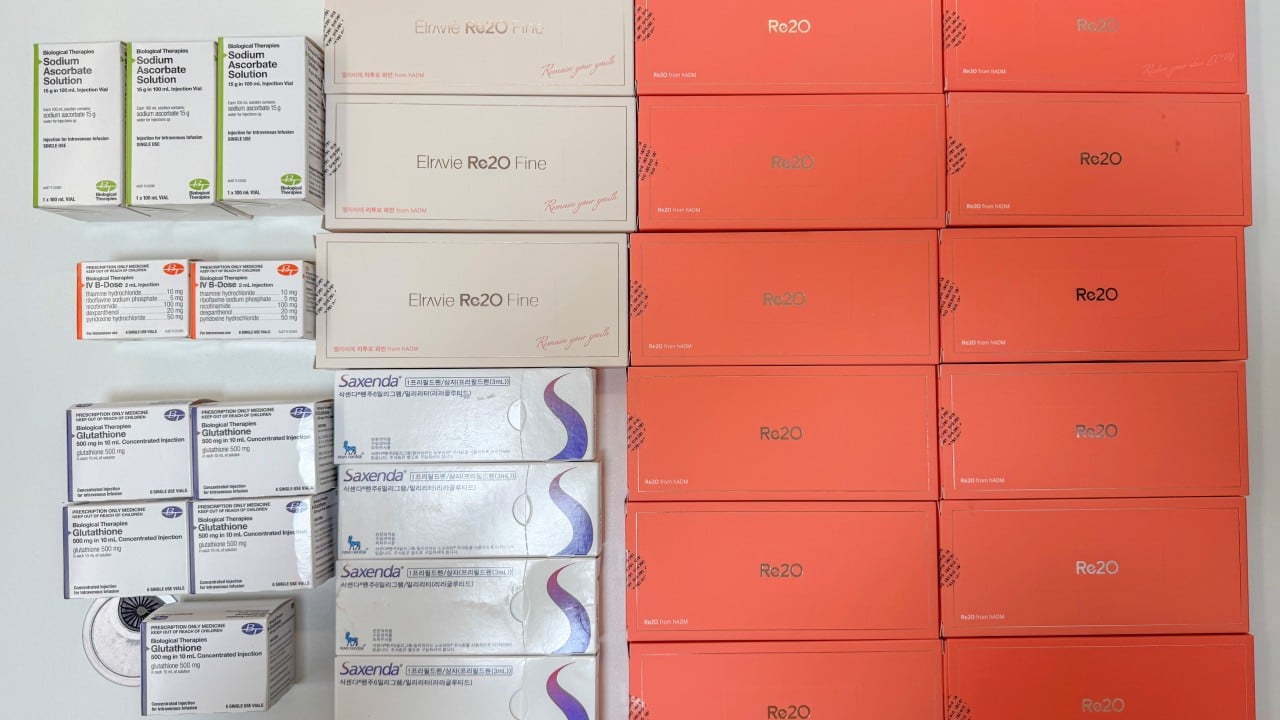
Then sirens cut through the street noise. Regulators and enforcement officers step inside, seizing unapproved products, questioning operators, and issuing urgent public warnings about injectable beauty treatments made from human donor skin.
Suddenly, a casual cosmetic errand turns cold. Related analysis on this matter has been shared by Everyday Health.
Skin. We treat it like fabric we can tailor whenever we want a sharper fit. If a seam pulls or a hem sags, we tuck it in. Injectables tempt us with that exact illusion, promising collagen where time took it away, volume where stress hollowed us out, a smooth surface over a life that has been working overtime.
To see how easily a routine appointment can drift into danger, consider a hypothetical scenario grounded in how underground clinics operate. Imagine Mei, a thirty-two-year-old graphic designer in Hong Kong who spends twelve hours a day staring at color proofs and client revisions. One evening, catching her reflection under a harsh subway station light, she notices dark hollows under her eyes that concealer cannot quite hide. A friend mentions a discounted skin-booster session at a studio tucked above a busy street. The price is tempting. The practitioner is friendly. Nobody asks detailed medical questions or shows a clear, traceable product insert in plain sight.
Mei sits in the chair thinking about looking sharper for a big presentation on Friday. She is not thinking about tissue sourcing, bacterial contamination, immune reactions, or regulatory raids.
Most people in that chair are not.
The Quiet Appeal of a Shortcut
Beauty culture rarely sells vanity alone. It sells relief. When you look exhausted and everyone around you looks filtered, smooth, and effortlessly put-together, wanting a quick fix feels practical rather than reckless. You want to look like you slept eight hours even when you slept four.
That desire is human. What turns it risky is how invisible the supply chain becomes behind closed doors.
When regulators raid unapproved aesthetic premises and warn the public about injectable skin products derived from deceased human donors, the shock does not come from skin tissue itself. Donor skin and acellular dermal matrices have legitimate medical history in reconstructive surgery, burn care, and specialized wound healing when properly screened, processed, sterilized, and regulated by health authorities. Tissue grafts have saved limbs and restored function for decades.
The alarm bells ring when human-derived material crosses out of strict clinical oversight into casual, unverified cosmetic injection.
Think of it like this: a metaphor might help separate medicine from gamble. A trained chef working in a certified kitchen with inspected ingredients can cook a complex meal safely. Take the same ingredients, hand them to someone with no food-safety training in a cramped back room with no thermometer and no record of where the supplies came from, and dinner becomes a hazard.
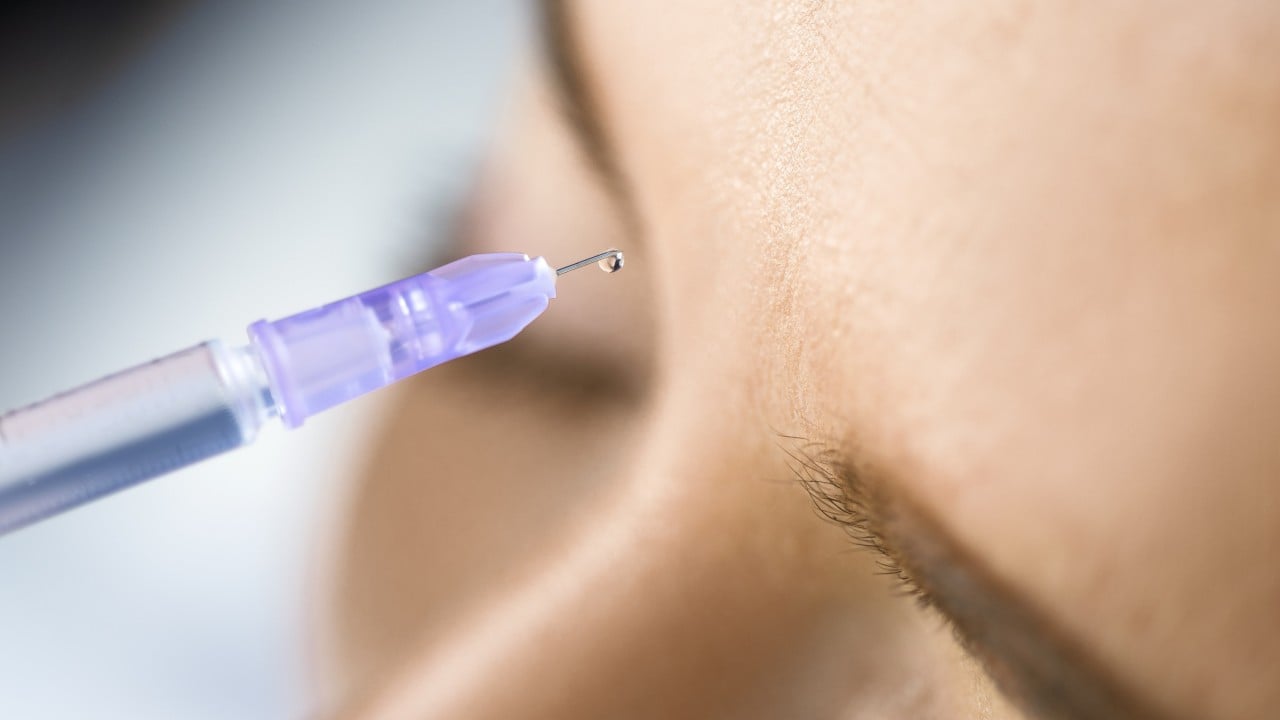
Injecting anything beneath the skin bypasses the body's first line of defense. The outer barrier is broken. Whatever sits inside that syringe—whether properly processed tissue, poorly screened biological material, or an unapproved cocktail mixed without sterile controls—goes straight into living tissue where blood vessels, nerves, and immune cells meet.
And the body does not care how cheap the promotion was.
When Good Intentions Meet Hidden Stakes
I remember sitting in a hospital waiting room years ago—not for a cosmetic procedure, though the waiting room smell is unmistakable: sharp antiseptic mixed with stale carpet and quiet dread. A relative was recovering from a routine medical issue that had taken an unexpected turn because of an infection nobody initially linked to a minor procedure weeks earlier. Watching someone strong grow pale, feverish, and exhausted over something that started as a small decision changes how you look at needles forever.
Small punctures carry big consequences when hygiene slips.
With injectable beauty treatments made from human donor skin, the risks are layered. First, there is the question of screening and sterilization. Human tissue carries biological complexity that synthetic fillers do not. If donor screening falls short or sterilization compromises tissue integrity without proper regulatory validation, infectious agents or residual cellular debris can trigger stubborn inflammation.
Second, there is immune response. Even when tissue is processed to remove cells and leave behind a collagen framework, the human immune system is vigilant. Introduce foreign biological material into delicate facial tissue without clinical supervision, and the body can react with swelling, hard nodules, prolonged redness, granulomas, or vascular complications if an injection hits or compresses a blood vessel.
Third, there is accountability. When a raid happens and authorities seize unapproved stock, clients often discover a chilling truth: they cannot verify what was actually in the vial injected into their face. There may be no batch number, no proper storage log, no licensed doctor on site, and no clear protocol if an adverse reaction flares up three days—or three weeks—later.
People often ask a fair, anxious question after hearing news like this: if you already had an injection at an unverified place, what are you supposed to do?
Panic rarely helps, yet ignoring symptoms is worse. Watch closely for signs that go beyond normal mild swelling or tiny pinprick marks. Spreading redness, rising heat, throbbing pain, firm lumps, pus, vision changes, or fever are not "just part of the healing process." They are signals to seek immediate care from a qualified physician or hospital—and to tell the doctor honestly what kind of injection you received and where, even if you feel embarrassed.
embarrassment keeps patients quiet. Silence delays treatment.
Why Raids Happen After the Fact
Enforcement raids often feel sudden from the outside, like a bolt out of nowhere. Inside public health and regulatory enforcement, they usually follow a pattern. Complaints trickle in. Inspectors spot unlicensed operators advertising invasive treatments online or in walk-in shops. Samples are tested. Gaps between law and street-level practice widen until authorities step in with seizures and public alerts.
Why do underground or loosely regulated beauty jabs keep popping up despite warnings?
Supply and demand. Demand for fast, affordable aesthetic tweaks is massive, especially among younger adults who grew up watching quick-fix transformations on social media. Meanwhile, legitimate medical procedures cost more, take time to book, and come with clinical screening that some buyers find inconvenient.
Where legitimate clinics say, "Let's review your medical history and risks first," gray-market spots say, "Come right in."
That difference in friction is huge. Convenience lowers our guard. When a place looks bright, trendy, and welcoming, our brain assumes safety. We equate neat decor with medical standards. Yet a clean-looking reception desk tells you nothing about cold-chain storage, autoclave sterilization, anatomical training, or emergency readiness if someone goes into distress.
Consider another hypothetical scenario to see how easily that confusion spreads. Picture Daniel, who runs a small fitness studio and gets a skin treatment before a trade event because a coworker raved about how fresh her face looked. Two weeks later, a firm, tender bump forms under his skin. He massages it hard, thinking it is just trapped fluid. When it swells further and starts aching, he searches online late at night, torn between visiting a real clinic and going back to the person who injected him—who tells him over chat not to worry and offers another session to "even it out."
That advice is where trouble compounds. Chasing a complication with more unverified injections is like throwing gasoline on a spark to see if it goes out.
Reading Between the Promises
Nobody sets out to get hurt chasing a better reflection. Most people are just trying to feel confident in their own skin, keep pace with a demanding life, or hold onto a sense of youth in a world that worships it.
Still, we have to ask an uncomfortable question: at what point does the pursuit of looking effortless stop being effortless?
Real medical aesthetics—when performed by qualified healthcare professionals using approved products in regulated settings—still carries risk, because any medical intervention carries risk. Informed consent exists for a reason. A real practitioner explains what can go right, what can go wrong, how long recovery takes, and what to do if something feels off.
Flashy ads rarely mention trade-offs. They sell outcomes without footnotes.
And when a treatment involves human donor skin outside proper clinical channels, the gap between marketing and reality becomes wide enough to fall through. You are not just buying a smoother cheek. You are placing trust in an entire chain of custody you cannot see.
Let's be honest: the medical jargon around tissue grafts, dermal matrices, and sterile processing can sound intimidating. Most consumers are not pathologists or regulatory lawyers. You do not need a medical degree to protect yourself, though. You do need healthy skepticism when a deal sounds too easy, a practitioner brushes past questions, or the product's origin feels vague.
Ask direct questions before anyone picks up a syringe. Who is performing the procedure, and what are their medical credentials? What exact product is going into my body, and is it legally approved for this specific use? What happens if I have a reaction tonight or next month?
If those questions make the room uncomfortable, walk out. Your face is not a bargain bin.
The Weight Beneath the Surface
News of raids and health warnings fades from feeds faster than a trending sound. By next week, another beauty craze will probably take its place, promising glass skin, lifted contours, or overnight renewal.
Yet the stakes stay real long after the headlines cool. Skin remembers trauma. Tissue remembers infection. And trust, once broken by a shortcut gone wrong, takes a long time to rebuild.
Look closely in the mirror tonight after washing your face—no filters, no ring light, no rush. Every line and shadow on a human face is a record of living, laughing, worrying, enduring, and showing up. You can care for your skin, invest in safe care, and still refuse to hand your health over to a mystery vial in the dark.
Because no glow-up is worth losing control of what lives under your skin.