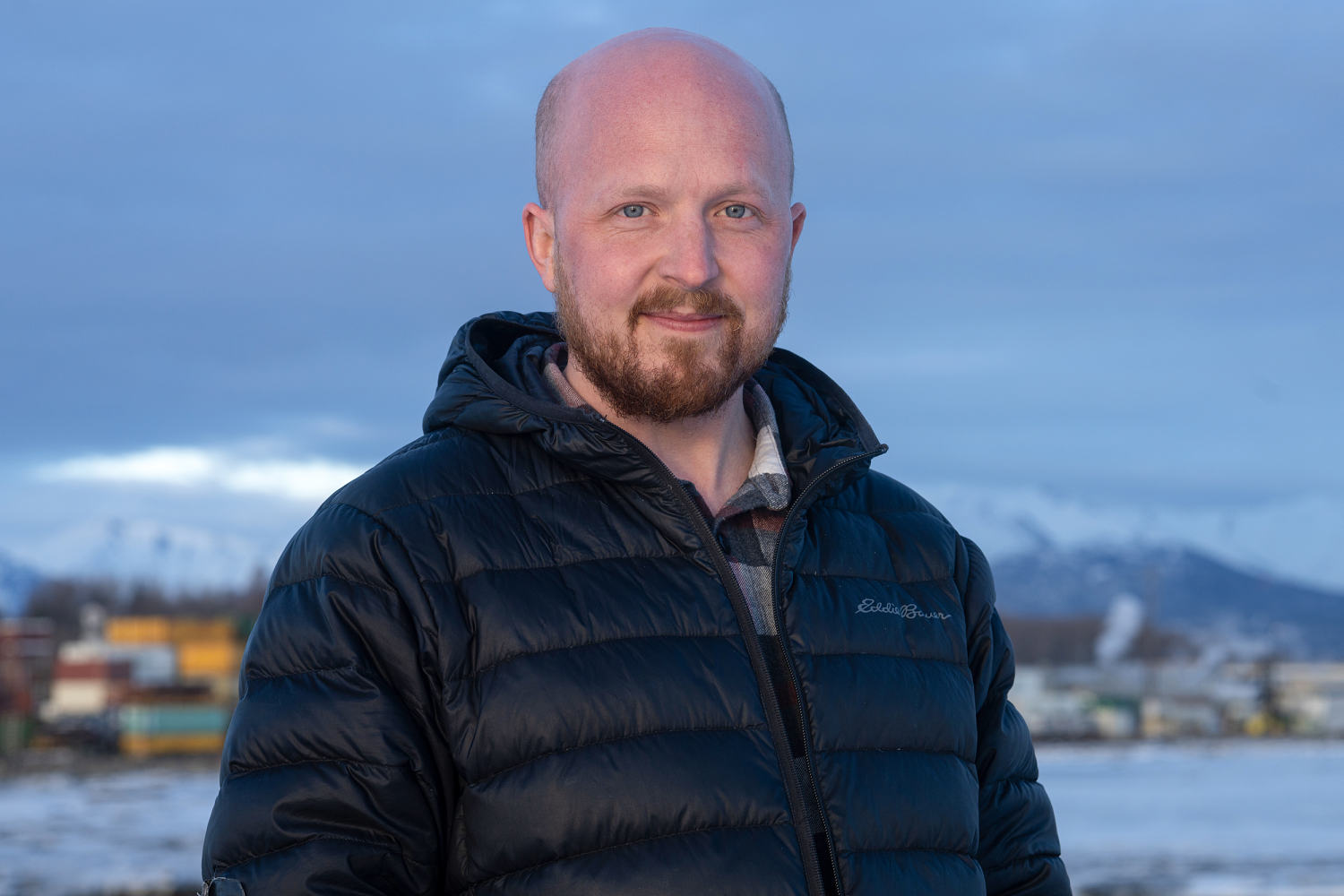
Jonathan Kreiss-Tomkins captured the Alaska governor’s mansion by clear margins, securing the executive branch for Democrats in the state for the first time since Tony Knowles left office in 2002. That outcome upended state political expectations.
National commentary quickly framed the result through standard partisan lenses. Media outlets pointed to shifting national moods and top-of-ticket head-winds facing Republicans. But that simplified narrative ignores the internal structural collapse of the state’s political coalition, alongside a hyper-localized campaign strategy that capitalized on specific economic pressures.
       ALASKA GUBERNATORIAL VOTE DISTRIBUTION (2026)
+-------------------------------------------------------------+
| J. Kreiss-Tomkins (D) [51.1%]                               |
+-------------------------------------------------------------+
| B. Wilson (R)    [27.9%]                                    |
+------------------------------------+------------------------+
| D. Bronson (R)   [13.6%]           |
+------------------------------------+
| T. Taylor (R)    [7.1%]            |
+------------------------------------+
The Fracture of the Traditional Base
The vote split among conservative candidates exposed real friction within the state party structure. Rather than consolidating behind a single candidate following the nonpartisan open primary, three distinct Republican options—Bernadette Wilson, Dave Bronson, and Treg Taylor—divided the conservative voting bloc across the general election.
Wilson secured 27.9% of the vote, Bronson pulled 13.6%, and Taylor held 7.1%. Added together, the conservative field trailed the unified front presented by Kreiss-Tomkins, who cleared 51% on the initial count.
The divided field reflected long-standing disagreements over resource management, state spending, and municipal governance. Bronson’s tenure as Anchorage mayor drew sharp divisions among urban conservatives, while Taylor’s legal record as Attorney General split suburban voters in the Mat-Su Valley. When a party splits into competing factions, turnout suffers at the margins.
Economic Stagnation and Demographics
Policy choices and economic factors over the past decade set the backdrop for this election cycle.
Out-migration has altered the electorate. Working-age families and young professionals have left the state in steady numbers for lower cost-of-living regions in the Pacific Northwest and Mountain West. That loss altered voter demographics across major population centers.
At the same time, traditional fiscal arguments lost traction. Public education funding battles, rising operational costs for small businesses, and severe childcare shortages created pressure on working families. Kreiss-Tomkins positioned his platform directly around those pragmatic pain points, focusing on rural development, infrastructure investment, and easing regulatory burdens for home-based businesses.
Campaign Execution in the Bush and Beyond
Winning statewide in Alaska requires an operational network that extends well beyond Anchorage and Fairbanks. Kreiss-Tomkins built his political foundation representing District 35 in the Alaska House of Representatives for a decade. His legislative career, which included organizing rural coalitions and passing legislation recognizing Alaska Native languages, provided a pre-existing field operation across coastal communities and regional hubs.
His campaign combined traditional door-to-door retail politics in rural precincts with a targeted digital message aimed at independent voters in Southcentral Alaska. By campaigning heavily on pragmatic governance rather than national platform battles, he absorbed a substantial share of nonpartisan voters who historically leaned center-right.
The path forward for the incoming administration will depend on navigating a divided legislature. Transition plans must address energy grid stability, public school funding formulas, and resource extraction permits. Achieving those policy goals will require building working majorities across party lines from day one.