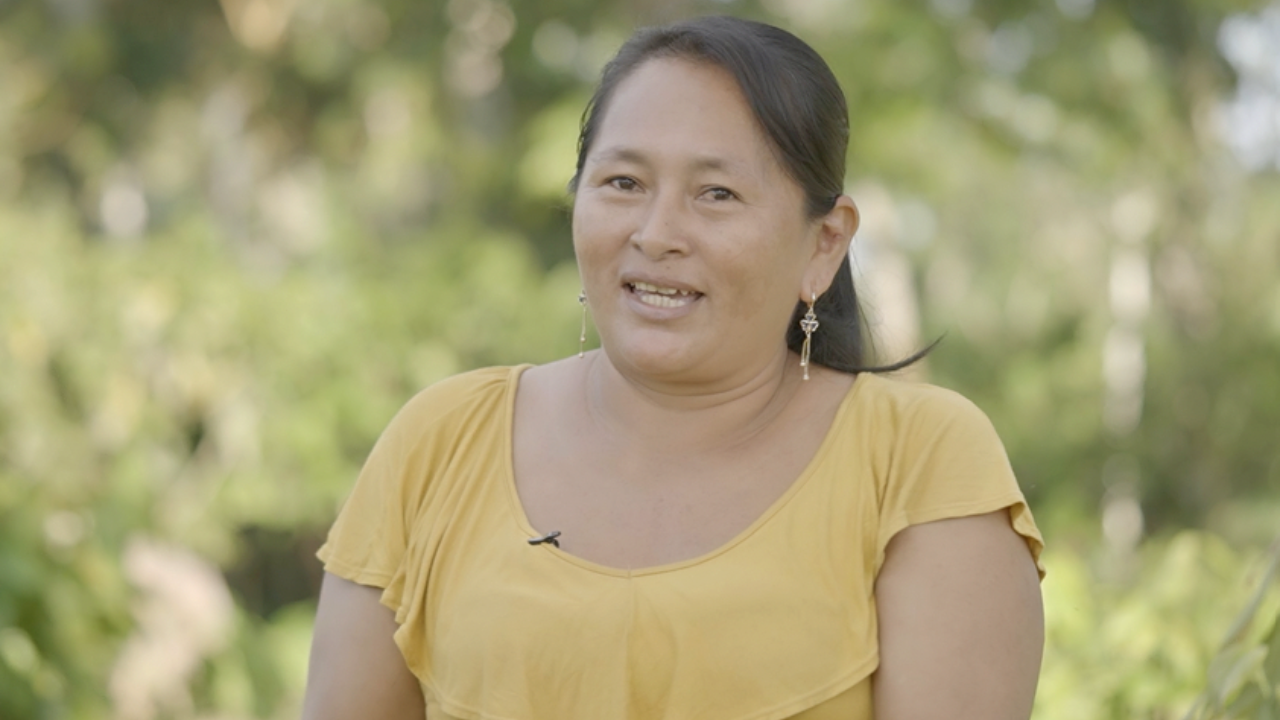
Across the contested acreage of the Ecuadorian Amazon, Indigenous women are executing a quiet agrarian insurrection by transforming native tree planting and fine-aroma cacao production into an economic shield against extractive industries. While international climate summits produce endless rhetoric, collectives belonging to the Kichwa, Shuar, and Waorani nationalities are executing a gritty blueprint on the ground. They are planting endemic timber species, rehabilitating dying heirloom cacao fields, and building decentralized bio-enterprises. This strategy does not stem from abstract environmentalism. It represents a calculated defense mechanism designed to outlast oil prospecting, illegal logging, and poverty.
The traditional narrative surrounding rainforest conservation often paints Indigenous populations as passive custodians rather than strategic operators. Reality is far more complex and combative. Decades of heavy machinery cutting access roads into provinces like Napo and Sucumbíos have accelerated deforestation and fragmented fragile ecosystems. Intermediaries routinely exploit isolated farmers, buying raw commodities at a fraction of their market value. Into this volatile dynamic step women's associations who recognize a fundamental truth. You cannot defend a territory with empty hands. Financial autonomy anchors political sovereignty.
The Economics of the Chakra
To understand how these communities survive the pressures of modern capitalism, one must look at the chakra, the traditional agroforestry system. Unlike industrial monocultures that strip the soil bare within years, the chakra functions as a living multi-tier ecosystem. Women cultivate food crops, medicinal plants, and fruit-bearing trees alongside native Theobroma cacao.
Take the work led by networks along the Napo River or within autonomous territories like Sarayaku. Participants do not treat forest protection as an activity separate from daily survival. They harvest fine-aroma cacao—the coveted fino de aroma variety prized by specialty chocolatiers worldwide. By processing and marketing these beans cooperatively, they bypass predatory middlemen.
A well-maintained chakra yields sustainable revenue reaching up to five dollars per pound for standard beans, with premium lots fetching significantly more on international specialty markets. This income funds local education, solar infrastructure, and community legal defense funds. A thriving cacao plot inherited by the next generation becomes an enduring asset rather than a tract vulnerable to logging concessions.
Confronting the Extractivist Machine
The stakes extend far beyond agricultural yields. External pressures from multinational extraction conglomerates and corrupt municipal bodies constantly threaten these communal lands. Heavy trucks traverse newly carved dirt tracks, scattering wildlife and driving traditional hunting grounds to depletion.
Faced with these incursions, women's groups have systematically weaponized reforestation. Planting native species such as laurel, balsam, and endangered endemic trees does more than restore biological corridors for birds and insects. These root systems stabilize riverbanks against industrial runoff and chemical contamination.
Grassroots cooperatives maintain strict mapping and zoning protocols, effectively drawing legal and physical boundaries around their territories. When an Indigenous collective holds title to 150,000 acres of biodiverse jungle managed through sustainable bio-enterprises, they create a formidable barrier that corporate lawyers and bulldozers struggle to breach.
The Heavy Burden of Legacy
Despite undeniable successes, romanticizing these initiatives obscures structural vulnerabilities. Climate shifts bring unpredictable rainfall patterns and aggressive plant pathogens like frosty pod rot, capable of wiping out an entire harvest in weeks. Furthermore, younger generations lured by urban migration often find traditional farming grueling and economically uncertain.
Activist leaders face continuous threats for standing against illegal mining syndicates and timber mafias. International aid programs frequently impose rigid bureaucratic requirements that clash with traditional communal decision-making. Sustaining these projects requires navigating a minefield of market volatility, state neglect, and transnational corporate greed.
Yet, the momentum persists because the alternative is total erasure. By reclaiming agricultural spaces and asserting economic independence, these women are proving that the most effective defense of the Amazon is rooted in the daily labor of sowing life into the soil.