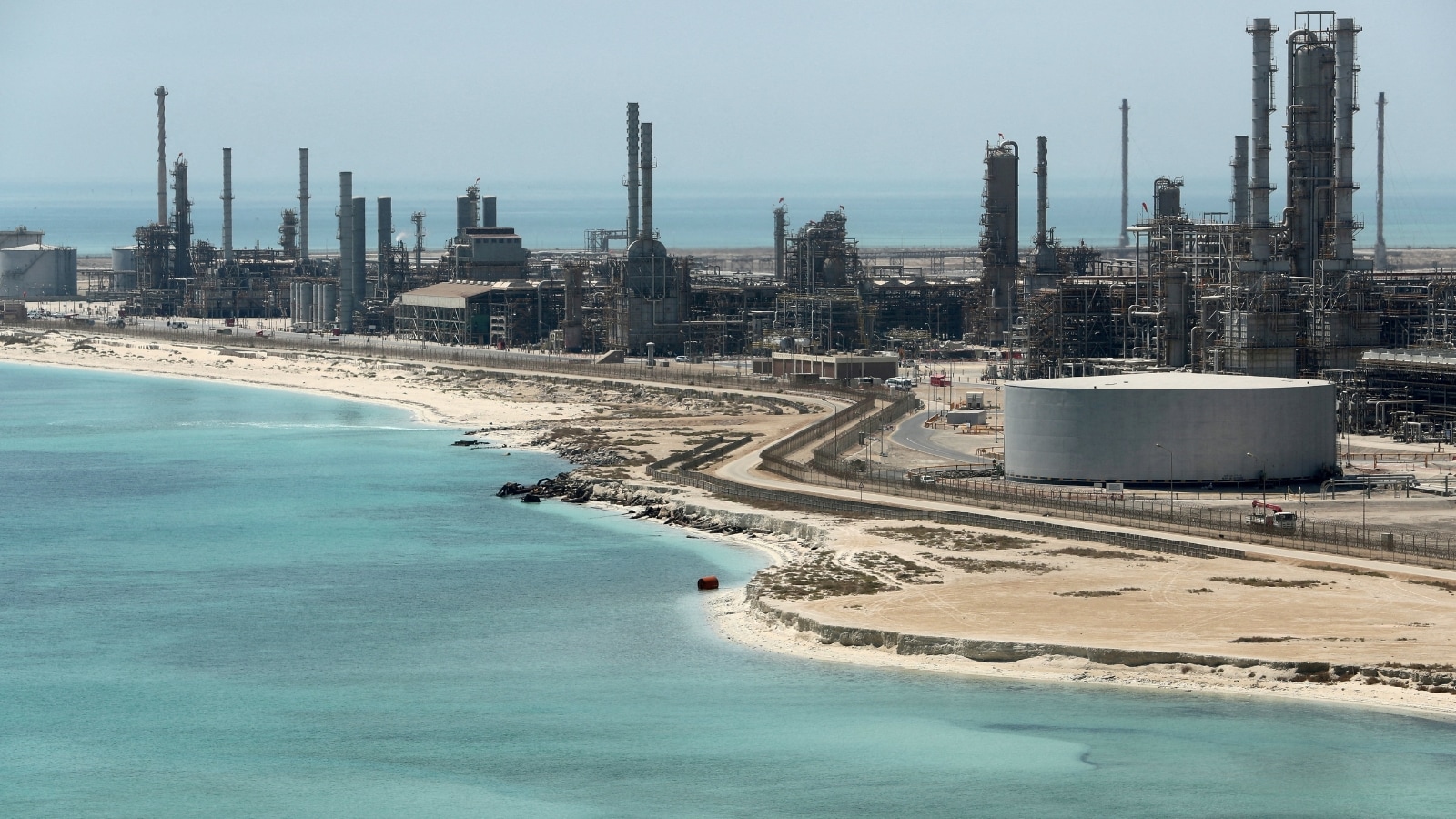
A routine morning flight turned into a tragedy that sent shockwaves through the global energy sector. On Sunday, June 28, 2026, at approximately 6:00 am local time, a helicopter owned by state oil giant Saudi Aramco crashed near the strategic energy hub of Ras Tanura. All 14 people on board died. They were all Saudi nationals.
The Saudi Ministry of Energy quickly confirmed the accident, expressing deep condolences to the families of the victims. Regional neighbors, including the UAE, Qatar, and Jordan, immediately sent messages of solidarity. But beyond the immediate human heartbreak, the timing and location of this crash have forced the global oil market to hold its breath.
This wasn't just any industrial accident. It happened at one of the most sensitive maritime chokepoints on earth, right when the global economy desperately needed stability.
The Reality of What Happened at Ras Tanura
Investigations are underway. Saudi authorities haven't released the helicopter model or the exact nature of its mission. We don't know yet if it was a mechanical failure, pilot error, or sudden weather changes. Speculation is flying online, but the Saudi government hasn't dropped any hints that a hostile attack caused the crash.
The incident took place on the eastern coast of Saudi Arabia. Ras Tanura is a massive industrial complex. It houses one of the largest oil refineries in the Middle East, capable of processing 550,000 barrels per day. It serves as the primary export artery for Saudi crude heading to massive economies in Asia and Europe.
When something goes wrong here, the whole world notices.
Tragic Timing for the Global Energy Supply
The crash happened just 48 hours after Saudi Aramco did something major. On Friday, June 26, the company finally resumed oil loading operations at the Ras Tanura terminal.
Operations had been completely frozen for nearly four months. Why? The intense regional conflict involving the United States, Israel, and Iran led to the temporary closure of the Strait of Hormuz. Shipping lanes became a no-go zone. Saudi Arabia had to scramble, shifting its exports across the desert to the Red Sea port of Yanbu just to keep oil moving.
The resumption of operations at Ras Tanura was supposed to signal a return to normalcy. It came amid delicate peace talks aimed at ending the regional conflict. The International Energy Agency recently noted that the market remains highly unpredictable. This accident adds a layer of anxiety to an already fragile system.
Logistics of Offshore Corporate Aviation
Industrial aviation isn't like flying commercial. Energy companies rely heavily on helicopters to move engineers, inspectors, and specialized crews between onshore headquarters and offshore platforms or supertankers.
- Constant rotation: Crews move around the clock to keep production lines running.
- Harsh environments: Flights handle intense coastal heat, sudden dust storms, and heavy maritime humidity.
- Strict protocols: Safety standards in oil and gas aviation are usually incredibly high because the stakes are extreme.
When an aircraft belonging to the world's most profitable oil company goes down, it triggers immediate safety audits. Aramco operates a massive fleet of aircraft. Every single flight path, maintenance log, and pilot schedule will now face intense scrutiny. Companies cannot afford to lose expert personnel, nor can they risk halting operations that dictate global oil prices.
Managing Industrial Transport Risks
This tragedy shines a harsh light on the dangers inherent in industrial transport. Companies often focus on pipeline security, cyber threats, and geopolitical blockades. Yet basic transportation logistics frequently represent the most immediate threat to human life in the field.
Safety managers across the energy sector are likely reviewing their own transport contracts today. Standard operating procedures dictate that operations don't stop after an accident, but they do change. You can expect tighter flight restrictions in the Gulf region over the coming weeks as investigators look for answers.
If you manage logistics or safety in any heavy industry, this event serves as a stark reminder. Check your maintenance schedules. Re-evaluate flight paths during high-risk hours. Do not let routine operations breed complacency. The families of those 14 workers are dealing with an unimaginable loss, and the industry owes it to them to find out exactly what went wrong. Watch the official updates from the Saudi Press Agency as the investigation unfolds. No single detail can be overlooked when the stability of global infrastructure is on the line.

:max_bytes(150000):strip_icc()/parts-of-a-swamp-cooler-2718628-a477e6f0787b4f8bb62ddf2def31d495.png)