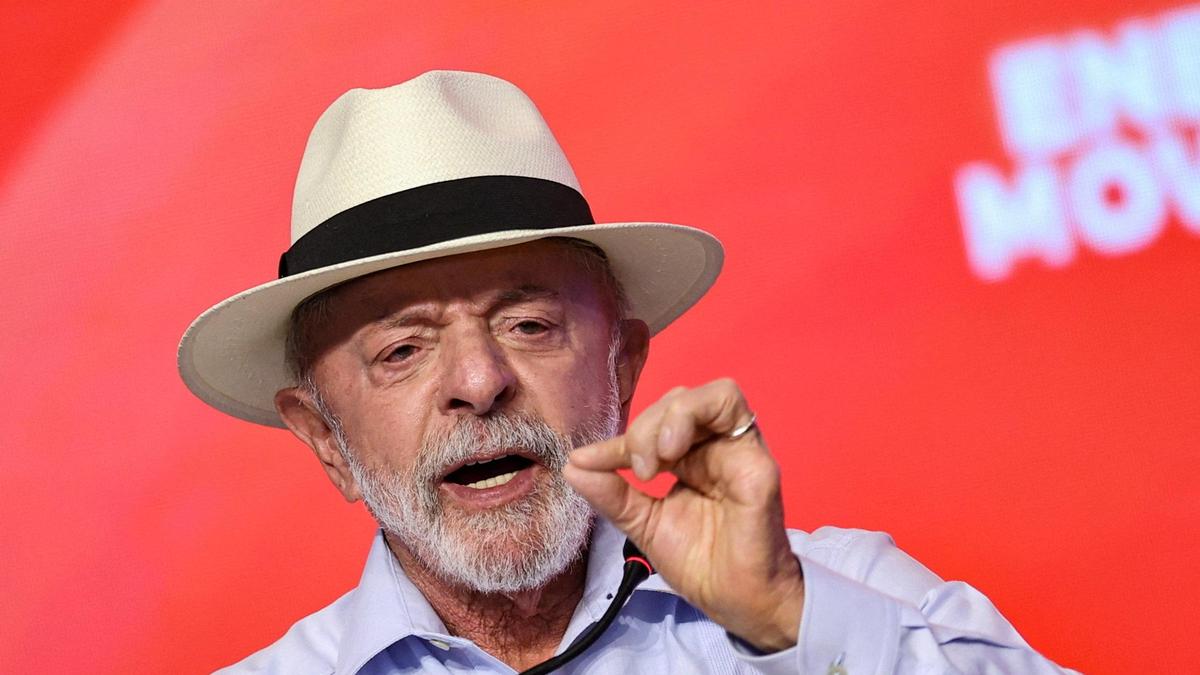
In the high-stakes theater of the White House, Brazilian President Luiz Inácio Lula da Silva just delivered an ultimatum disguised as a diplomatic handshake. Brazil, holding the world’s second-largest reserves of rare earth elements, is no longer content being the world’s quarry. During his May 7, 2026, meeting with Donald Trump, Lula made it clear that Washington’s access to the minerals essential for everything from F-35 fighter jets to Tesla motors is now contingent on one thing: the immediate dismantling of the 10% trade tariffs currently suffocating Brazilian exports.
The timing is not accidental. As the U.S. desperately tries to break its 90% dependency on Chinese mineral processing, Brazil has emerged as the only democratic heavyweight capable of filling the void. But Lula is playing a sophisticated game of "resource nationalism" that his predecessors lacked the stomach for. He is betting that the U.S. hunger for neodymium and praseodymium is stronger than its protectionist instincts. Discover more on a similar subject: this related article.
The Processing Pivot
For decades, the global south has followed a predictable, tragic script. Extract the raw ore, ship it to a developed nation, and buy back the finished high-tech product at a thousand-percent markup. Lula is attempting to burn that script. In his discussions with Trump, he explicitly referenced the "silver and gold" era of Latin American history, vowing that Brazil will not repeat the mistake of being a mere exporter of dirt.
The leverage comes from the National Policy on Critical and Strategic Minerals (PNMCE), which Brazil’s legislature fast-tracked just hours before Lula’s plane touched down in Washington. This law does more than just list minerals. It creates a regulatory framework that prioritizes domestic refining. If American companies want the concentrate from the massive Serra Verde deposit in Goiás, they are being told they must build the multi-billion dollar separation plants on Brazilian soil. More reporting by MarketWatch explores similar views on the subject.
This is a direct challenge to the U.S. "friend-shoring" strategy. Washington wants the security of a friendly supply chain but prefers the value-added processing to happen in places like Texas or Wyoming. Brazil is refusing to play the junior partner.
A Transactional Chemistry
The relationship between Lula and Trump is often described as "excellent chemistry," but that is a polite fiction for a cold, transactional necessity. Trump needs to lower grocery prices—which is why he previously rolled back tariffs on Brazilian beef and coffee—but he also needs a win against China's tech dominance. Brazil represents that win.
However, the friction remains in the fine print. While the two leaders instructed their ministers to resolve tariff disputes within 30 days, a "Critical Minerals Agreement" (CMA) remains elusive. The sticking point is a price floor mechanism. The U.S. wants a guaranteed minimum price to protect Western investments from being "dumped" into oblivion by Chinese oversupply. Brazil, conversely, fears that a fixed price floor could limit its ability to capture market share during high-demand cycles.
The $2.8 Billion Gamble
The private sector isn't waiting for the diplomats to catch up. USA Rare Earth’s recent $2.8 billion acquisition of the Serra Verde operations marks the largest single American investment in the sector to date. It is a massive bet that the geopolitical risk of operating in Brazil is lower than the existential risk of relying on Beijing.
| Factor | U.S. Requirement | Brazil’s Demand |
|---|---|---|
| Processing | Flexible locations | Strictly domestic |
| Technology | Intellectual property protection | Mandatory tech transfer |
| Tariffs | Sector-specific relief | Total removal of Section 301 levies |
| Security | Tracking of end-users | Sovereign control over buyers |
The Shadow of the Cartels
Beyond the boardroom, a darker reality haunts the negotiation. The U.S. has hinted at designating Brazilian criminal factions, like the Primeiro Comando da Capital (PCC), as terrorist organizations. To Washington, this is a law enforcement tool. To Brasília, it is a Trojan horse for interventionism and financial sanctions that could freeze the very banks needed to fund mining infrastructure.
Lula's counter-offer was strategic. He proposed a joint financial task force to "strangle" the money laundering networks of organized crime rather than a military-style designation. It was a classic Lula maneuver: offering cooperation on U.S. security concerns to prevent the U.S. from using those concerns as a stick.
The Non-Aligned Advantage
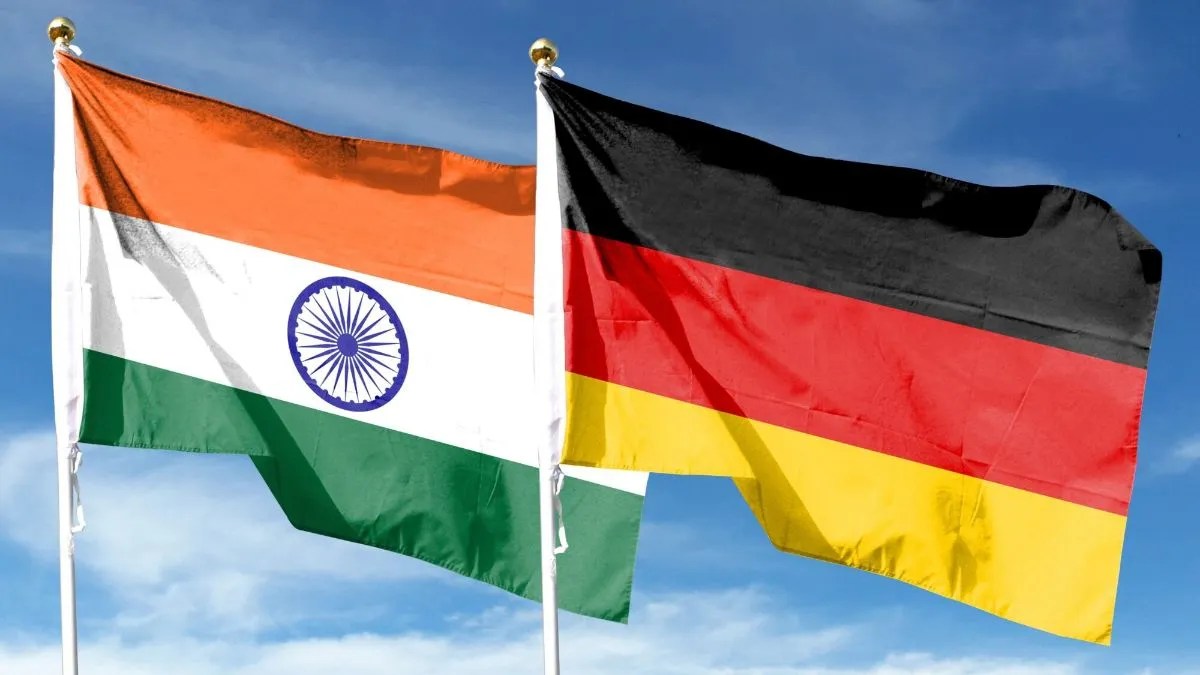
What makes Brazil’s position so potent is its lack of exclusivity. Even as Lula sat in the Oval Office, his administration was finalizing battery supply chain deals with South Korea and processing tech agreements with India. Brazil is signaling that it is a "non-aligned" superpower in the critical minerals space.
If the U.S. does not yield on the 10% tariffs by July, Brazil has the infrastructure to pivot its rare earth shipments toward the European Union or even back toward Asia. The leverage is real. The reserves are mapped. The law is in place. Brazil has moved from the periphery of the global economy to its very center, using the world's most vital elements as its ticket to the table.
Washington's era of dictating trade terms to its southern neighbors is over. The price of high-tech independence is no longer just a check; it is a fundamental surrender of industrial dominance. Brazil isn't asking for a seat at the table anymore. It is charging admission.