Power is rarely loud when it destroys a life. It usually arrives in triplicate. A stamped filing cabinet drawer sliding shut, the polite cough of a secretary in a corridor lined with muted carpets, a translated sentence delivered in a tone so level it drains the blood right out of history.
We are conditioned to look for dictators with medals and balconies. We look for the boot heel on the throat. But accountability—true, unyielding accountability—is usually built by someone sitting in a drafty room, wearing reading glasses, refusing to blink.
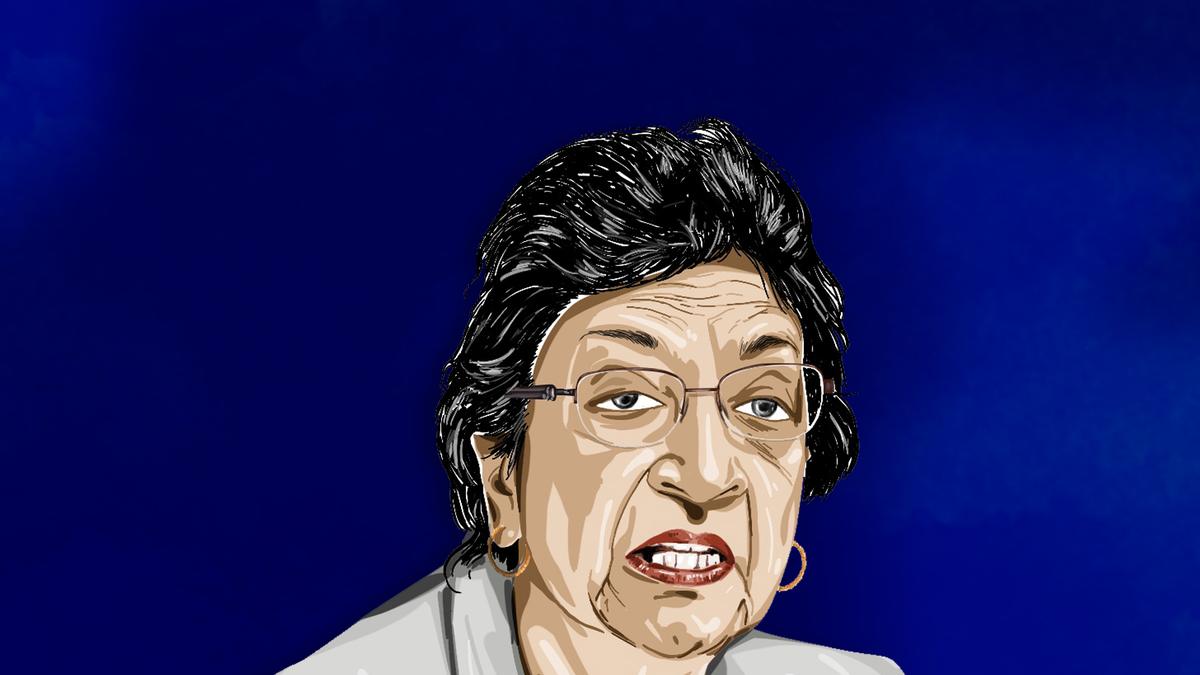
Consider what it takes to stare down a state apparatus. Imagine sitting across a mahogany table from a man whose signature has ordered the erasure of villages, while you possess nothing more than a pen, a mandate, and an inconvenient memory. Navi Pillay spent a lifetime in those rooms.
Her story does not begin in the sterile glass towers of international courts. It begins in the suffocating heat of segregated Durban.
The Weight of a Locked Door
To understand how Navi Pillay works, you have to understand what it feels like to be told your humanity is negotiable by statutory decree. Growing up under the apartheid regime in South Africa meant breathing an atmosphere saturated with structural humiliation. Every street corner, every water fountain, every bench was a tiny, persistent act of violence designed to wear down the soul until compliance felt like the only natural option.
Most people break under that weight. Some learn to look away, convincing themselves that survival requires complicity. Pillay did the opposite. She weaponized the law.
When she entered the legal profession, doors were quite literally locked against her. She was a woman of South Asian descent, practicing in a system rigged to ensure she remained an invisible outsider. Yet she carved a space out of sheer, unyielding obstinacy. She defended activists facing the gallows under the Terrorism Act. She carried the terrified whispers of families whose homes had been raided in the dead of night into courtrooms where judges looked through her as if she were made of glass.
You learn something fundamental about justice when you defend people the state has marked for disposal. You learn that laws are just words on paper until someone is willing to bleed to make them mean something.
When the regime finally fractured, and South Africa needed to stitch its torn body back together, Pillay was there. Later, the international community called upon her to help build the International Criminal Tribunal for Rwanda.
The Anatomy of Accountability
History likes to pretend that mass atrocities happen in a fever dream of national madness, as if entire populations suddenly wake up one morning and decide to murder their neighbors. They do not. Atrocity is bureaucratic. It is organized on clipboards. It requires supply chains, ideological memos, and middle managers who check boxes because they want a promotion.
When Pillay arrived at the tribunal in Arusha, the international community was still suffering from a collective failure of nerve regarding the 1994 genocide. The mountain of human suffering was so vast it defied comprehension.
This is where the cold, brilliant machinery of her mind took over.
She understood that if you try to prosecute an entire country, you achieve nothing. You drown in the logistics of grief. Instead, you have to isolate the architects. You have to trace the money, the radio broadcasts, the administrative orders that transformed ordinary farmers into killers with machetes.
In Jean-Paul Akayesu, a landmark case she presided over, the tribunal faced a blank space in international law. Rape had historically been treated as an unfortunate, inevitable byproduct of war—a regrettable collateral damage of male aggression. Pillay and her colleagues looked at the systematic sexual violence deployed in Rwanda and recognized it for what it truly was: a weapon of genocide.
It was a quiet revolution. With a few carefully chosen words in a judgment, the legal landscape of human rights changed forever. Sexual violence in conflict was no longer a footnote. It was a war crime on par with bullets and gas.
That is what an enabler of justice actually looks like. Not a caped crusader charging across a battlefield, but a jurist willing to rewrite the definition of cruelty because the old one was too cowardly to name the truth.
The Cost of Telling the Truth to Giants
To serve as the United Nations High Commissioner for Human Rights is to sign up for a life of being universally disliked by people with armies.
When Pillay took the post in 2008, she did not play the diplomatic game of polite murmurs and behind-the-scenes compromises. She possessed a rare, terrifying quality: she treated powerful nations and rebel militias with the exact same standard of scrutiny.
If a government committed war crimes in Gaza, she called it out. If a regime slaughtered protestors in Sri Lanka, she demanded an investigation. If powerful Western democracies bypassed international humanitarian law in the name of counter-terrorism, she reminded them that their passports did not exempt them from basic morality.
Naturally, the letters of complaint piled up. Ambassadors requested urgent meetings where they smiled tightly, expressed disappointment, and suggested that perhaps international law was too fragile to handle such blunt honesty.
She did not flinch.
I remember watching diplomats shift uncomfortably in their seats during briefings, their faces flushed with the quiet fury of people who are used to being deferred to simply because they control the budget. Pillay looked at them with the steady, unblinking gaze of someone who had already survived an apartheid state. What could a ruffled ambassador do to someone who had looked a South African apartheid judge in the eye and won?
The Unfinished Ledger
Today, the world feels increasingly like a stage set for strongmen. Autocrats are resurgent. International institutions are mocked as toothless, bureaucratic dinosaurs. The daily news cycle delivers a fresh, numbing catastrophe every morning before breakfast, teaching us how to scroll past mass graves with the flick of a thumb.
It is easy to despair. It is easy to conclude that power always wins in the end, and that justice is nothing more than a marketing slogan used by the victors to decorate their monuments.
Yet Navi Pillay’s career stands as a stubborn, disruptive counter-argument.
Justice does not descend from the clouds like rain. It is constructed, brick by agonizing brick, by individuals who refuse to accept that might makes right. It is maintained by people who are willing to look at a room full of murderers, tyrants, and cowards, and say, calmly and without raising their voices:
You are subject to a higher law. And we are going to write it down.