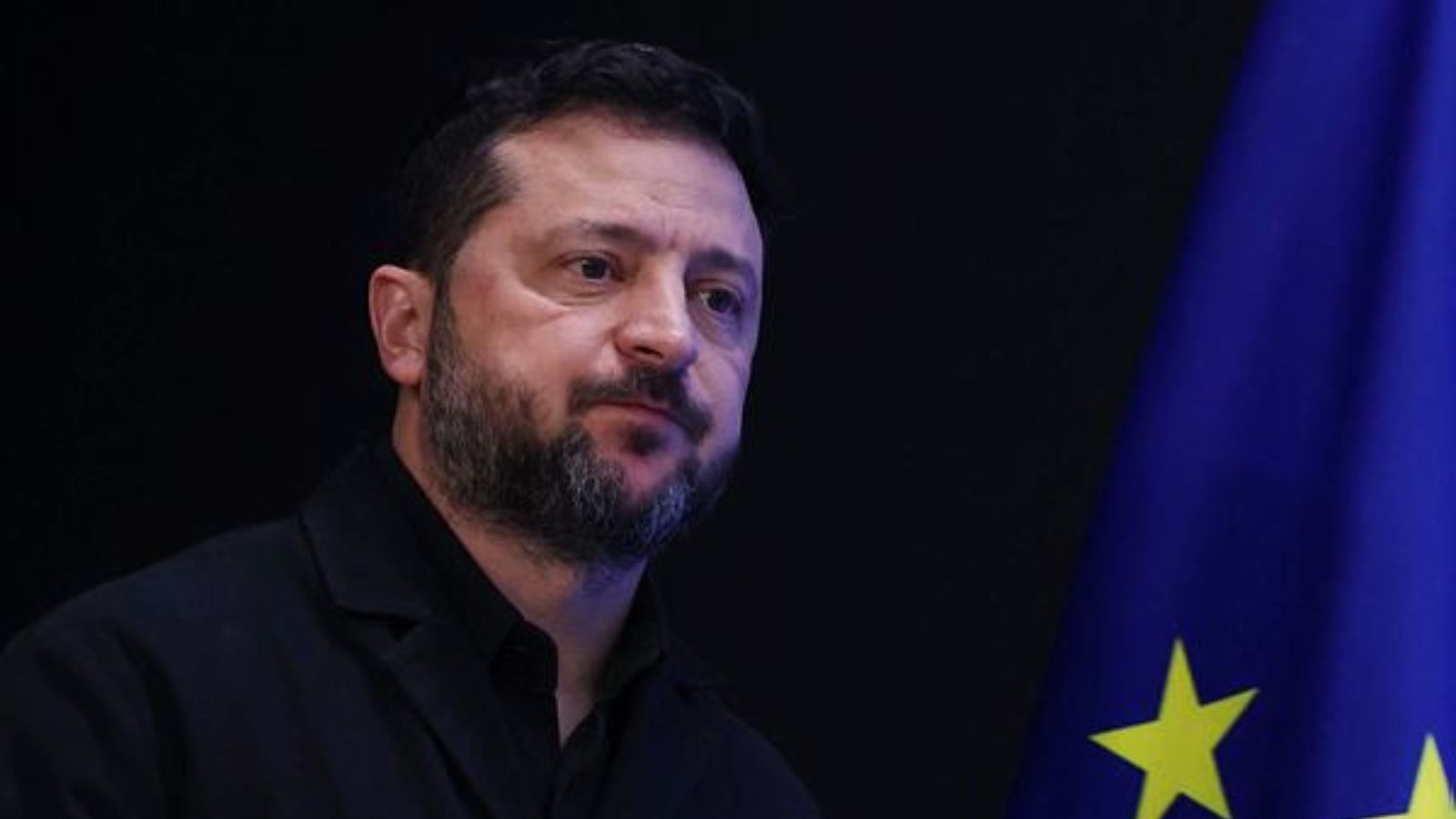
A prosecutor opens a file. Headlines scream accountability. Everyone pretends handcuffs are just around the corner.
They are not.
When an article trumpets that a country like Italy has launched a probe against a foreign defense minister, the lazy consensus writes itself. Readers assume a domestic prosecutor can casually summon a sitting or former foreign cabinet official, haul them into a Milan or Rome courtroom, and force a reckoning under international law. That assumption is lazy. It is legally illiterate. It mistakes opening a docket for exercising real power.
In geopolitical and legal practice, a domestic criminal probe into a foreign defense official is usually a signaling mechanism aimed at domestic constituencies, coalition partners, or diplomatic rivals—not a high-probability path to a trial. Even when prosecutors act in good faith under universal jurisdiction or domestic statutes tied to international crimes, structural barriers—head-of-state or diplomatic immunity doctrines, lack of custody, refusal of extradition, and the limits of national court reach—turn most of these investigations into paper exercises.
Forget asking whether a prosecutor opened a file. Ask who actually controls the jurisdiction, the arrest power, and the political fallout.
The Lazy Consensus Around Probes and Accountability
Standard news coverage treats every investigation into a foreign defense chief as a turning point. The narrative follows a predictable script: allegations surface, a prosecutor registers a proceeding or opens an inquiry, civil society groups cheer or diplomatic rows flare, and commentators debate whether international justice is finally closing the net.
Having watched high-stakes legal battles, sanctions regimes, and cross-border compliance crises play out across Europe and the Middle East, I have seen institutions burn serious credibility confusing motion with momentum. A prosecutor opening a preliminary file or investigation in a European capital is a legal step, not a conviction. Calling every probe "accountability" flattens the massive gap between opening a dossier and enforcing a judgment.
Three misconceptions drive the lazy consensus:
- Opening a probe equals legal jeopardy: In many civil-law and domestic legal systems, opening a file or preliminary inquiry can be triggered by complaints, jurisdictional reviews, or referrals without any guarantee that charges will ever be filed or that the suspect will ever set foot in the country.
- National courts police global battlefields: Domestic prosecutors operate inside territorial and statutory boundaries. Even where universal jurisdiction or extraterritorial provisions exist on paper, practical enforcement requires custody, cooperation, or travel into reach.
- Diplomatic friction equals legal enforcement: A diplomatic protest or tense bilateral exchange looks dramatic on cable news, yet governments routinely compartmentalize legal inquiries from defense procurement, intelligence sharing, and regional security alignments.
Look closely at what actually happens when a European prosecutor looks at a foreign defense minister. You are looking at an intersection of domestic politics, international law, and hard power—where law rarely wins on its own without leverage.
Universal Jurisdiction vs. Diplomatic Reality
To understand why these headlines mislead, you have to separate two concepts pundits routinely mash together: universal jurisdiction and immunity.
Universal jurisdiction is the principle that certain grave crimes—such as war crimes, crimes against humanity, or genocide—are so severe that any state may prosecute them regardless of where the alleged acts occurred or the nationality of the perpetrator or victims. Immunity, by contrast, shields certain state officials or diplomatic representatives from foreign domestic prosecution or arrest, either while in office (status immunity or ratione personae) or for official acts under customary international law and treaty frameworks (conduct immunity or ratione materiae, subject to heated legal debate over whether exceptions apply to international crimes).
Legal scholars like Antonio Cassese, former president of the International Criminal Tribunal for the former Yugoslavia, and institutions such as the International Court of Justice have long wrestled with the tension between prosecuting grave international offenses and preserving sovereign immunity and order between states. The tension is real. Courts and governments do not agree on a single tidy formula for every official in every circumstance.
Yet in practice, a domestic prosecutor does not enforce international law in a vacuum. A sitting defense minister traveling on official business, or even a former official protected by state backing and diplomatic channels, faces a wall of political and procedural friction before any trial could ever occur.
Imagine a scenario where a local prosecutor in a European city opens a preliminary inquiry into a foreign defense official over alleged military operations abroad. The prosecutor requests documents from foreign ministries, NGOs submit reports, and opposition politicians at home cite the probe to attack the ruling coalition's foreign policy. Six months later, the official has not been arrested, no extradition has succeeded, and the government still coordinates on regional security. The file exists. The leverage does not.
| Dimension | What Headlines Imply | What Happens in Practice |
|---|---|---|
| Legal Action | Imminent indictment or arrest warrant | Preliminary inquiry, complaint review, or jurisdictional check |
| Jurisdiction | Court can compel appearance anywhere | Limited by custody, travel, immunity doctrines, and treaties |
| Diplomatic Impact | Immediate rupture in state relations | Manageable friction unless tied to formal sanctions or arms bans |
| Evidentiary Reach | Full access to battlefield records | Heavy reliance on open-source material, NGOs, and leaked data |
Why Prosecutors Open Files Nobody Expects to Finish
If custody is unlikely and diplomatic hurdles are steep, why do these probes happen at all?
Follow the incentives. Domestic prosecutors have statutory mandates and legal obligations when formal complaints or referrals land on their desks. In many systems, a prosecutor cannot simply ignore a credible filing or political pressure without inviting accusations of selective enforcement or political interference.
At the same time, political actors inside the investigating country often treat legal proceedings as convenient cover. A coalition government facing domestic pushback over regional conflicts or defense ties can point to "the independence of the judiciary" to deflect pressure from activists and opposition parties while keeping official diplomacy intact. Meanwhile, advocacy groups and legal campaigns use domestic probes to build public records, keep pressure on policymakers, and create reputational risk even when criminal conviction is a long shot.
There is a real downside to viewing probes primarily through a cynical lens, and I will own it: dismissing every investigation as pure theater can blind you to slow-moving legal and reputational risks. Over years, documented inquiries can shape travel calculations, complicate arms transfers, embolden parallel proceedings elsewhere, or feed into broader international legal scrutiny. Treating every probe as a joke is its own kind of lazy.
Still, treating every probe as a courtroom reckoning is worse. A dossier is a starting line, not a finish line.
The Questions You Should Actually Be Asking
When you see a headline about a probe into a foreign defense minister, throw out the standard "Will they be arrested?" framing. It is usually the wrong question.
Ask these instead:
- What exact procedural stage is this in? A preliminary inquiry or file opening is worlds apart from a formal indictment or an enforceable arrest warrant.
- Who has physical and legal leverage here? Without custody, extradition pathways, or clear travel exposure, a domestic warrant or investigation has sharp limits.
- Which domestic factions benefit from the headline? Look at the governing coalition, the opposition, and the legal advocacy groups pushing the story. Domestic politics often explains the timing better than international law.
- Are policy levers—arms exports, intelligence, sanctions—actually moving? Words in a legal filing matter far less than binding changes in procurement, export licenses, or diplomatic posture.
If you are tracking geopolitical risk, legal exposure, or defense policy, stop chasing the gavel that isn't coming down. Track the contracts, the export licenses, the diplomatic backchannels, and the custody realities—that is where real power lives.