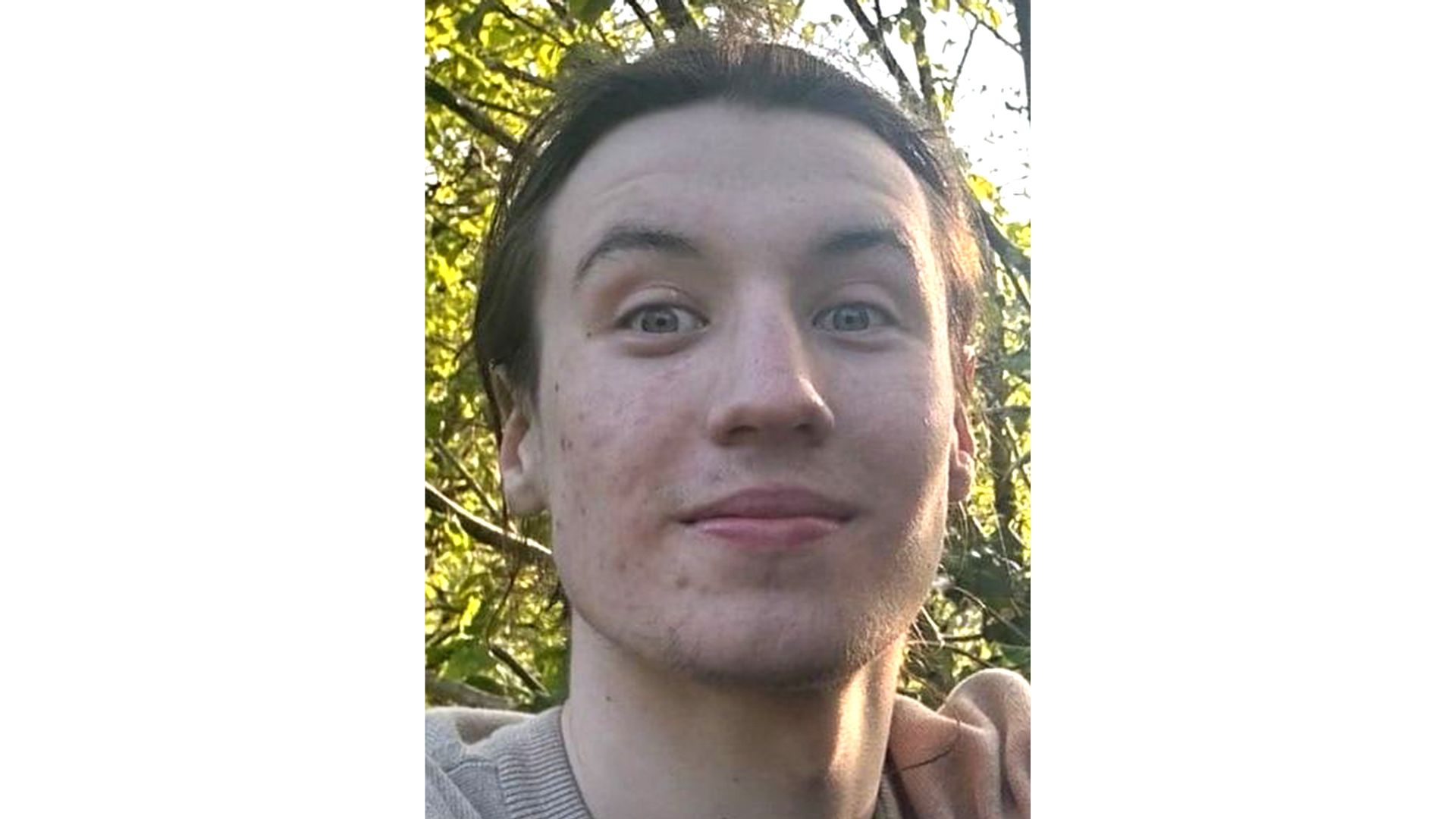
The court appearance of a man accused of murdering a student in Primrose Hill follows a script we have seen a thousand times. The media descends. The public gasps. The legal machinery grinds forward in a predictable, rhythmic display of procedural theater. Most reports focus on the "shock" of the crime or the "somber atmosphere" of the courtroom. They are missing the point. The obsession with the individual defendant—the singular "monster" in the dock—is a convenient distraction from the systemic decay that makes these tragedies inevitable and the judicial performance that follows them largely performative.
We treat these court appearances as milestones of progress. We aren't making progress. We are simply checking boxes in a system designed to manage the optics of safety rather than the reality of it.
The Myth of the Safe Space
Primrose Hill carries a specific weight in the London psyche. It is wealthy. It is manicured. It is the kind of place where people pay a premium for the illusion of immunity from the grit of the city. When a violent crime happens there, the narrative isn't just about a life lost; it is about the "shattering of peace."
This is a lie. There is no such thing as a "safe" neighborhood in a city where mental health services, community policing, and social safety nets have been hollowed out for decades. The shock expressed by the public is a form of class-based denial. We accept violence when it happens in postcodes we don't visit, but we demand a national mourning period when it crosses the threshold of an affluent park.
The court appearance is the first act in restoring that illusion. By putting a face to the crime and a name on a docket, the state signals that the "glitch" in the system is being handled. But the glitch isn't the individual; the glitch is the system itself.
The Procedural Theater of the Initial Hearing
What actually happens in these early hearings? Almost nothing of substance.
The defendant confirms their name. The charges are read. A date is set. Yet, the press treats it as a moment of profound revelation. This isn't journalism; it's a ritual. We are addicted to the "perp walk" and the courtroom sketch because they provide a sense of closure that hasn't been earned yet.
I have sat in these galleries. I have watched the families wait for a sign of remorse or a flash of answers. They rarely get either. The legal system is built to be cold, clinical, and frustratingly slow. By framing these administrative steps as dramatic turning points, we create a false expectation that the law is capable of healing the wound. It isn't. The law is a blunt instrument designed to assign blame, not to repair a broken society.
The Data We Ignore While Staring at the Dock
While the cameras are fixed on the courtroom doors, look at the numbers. Violent crime in urban centers is not an anomaly; it is a trend line.
- Police presence: The decline in visible, community-based policing has turned public spaces into blind spots.
- Preventative intervention: Most individuals who end up in a high-profile murder trial have a paper trail of smaller infractions, mental health crises, or social service failures that preceded the final act.
- The "Spectacle Effect": Heavy media coverage of specific trials creates a skewed perception of risk, leading to "tough on crime" rhetoric that prioritizes incarceration over the messy, expensive work of prevention.
Imagine a scenario where we spent half as much energy on tracking the precursor failures of a crime as we do on the trial of the perpetrator. We don’t do that because it would require admitting that the state, the council, and the community all dropped the ball long before the first blow was struck.
Stop Asking if Justice is Being Served
The "People Also Ask" columns for these cases are always the same: "Is Primrose Hill safe?" or "What is the maximum sentence for murder?"
These are the wrong questions. The right question is: Why do we keep waiting for a body to drop before we discuss the safety of our public spaces?
Justice, in the way most people define it, is an impossibility here. A student is dead. A family is destroyed. No amount of "guilty" verdicts or life sentences restores the status quo. The courtroom is not a place of justice; it is a place of accounting. We are merely balancing a ledger that should have never been opened.
The Expert Fallacy
Criminologists and legal analysts will spend the next few months dissecting the defendant's background, the "bravery" of the witnesses, and the technicalities of the prosecution’s case. This expertise is a shield. It allows us to treat murder as a technical problem to be solved by professionals.
If you want to understand the reality of urban violence, don't look at the barristers in their wigs. Look at the corners of the park where the lights don't work. Look at the youth centers that were turned into luxury flats. Look at the way we ignore the "troubled" until they become the "accused."
I have seen the aftermath of these cases when the news trucks leave. The neighborhood goes back to its "peace." The residents feel safer because someone is behind bars. They shouldn't. The conditions that allowed the crime to happen haven't changed; only the person occupying the cell has.
The Actionable Truth
If you want a safer city, stop reading trial transcripts and start demanding accountability for the infrastructure of neglect.
- Demand light, not just locks: Safety is a function of environment. High-profile parks need more than just a morning sweep; they need consistent, human-centric management.
- Fund the "Invisible" Services: The most effective way to prevent a murder trial is to fund a psychiatric nurse or a social worker five years before the crime happens.
- Reject the Sensationalism: Every time you click on a "First Photos of Accused" headline, you are validating a system that prioritizes the spectacle of punishment over the reality of prevention.
We are currently watching a tragedy being processed through a machine. The machine will do its job. The defendant will be judged. The sentence will be handed down. And unless we change how we view the "safety" of our streets, we will be back at the same court, for a different name, on a different hill, by the end of the year.
The courtroom isn't where the solution starts. It's where the failure is finally given a file number.
-02.png?format=1500w)