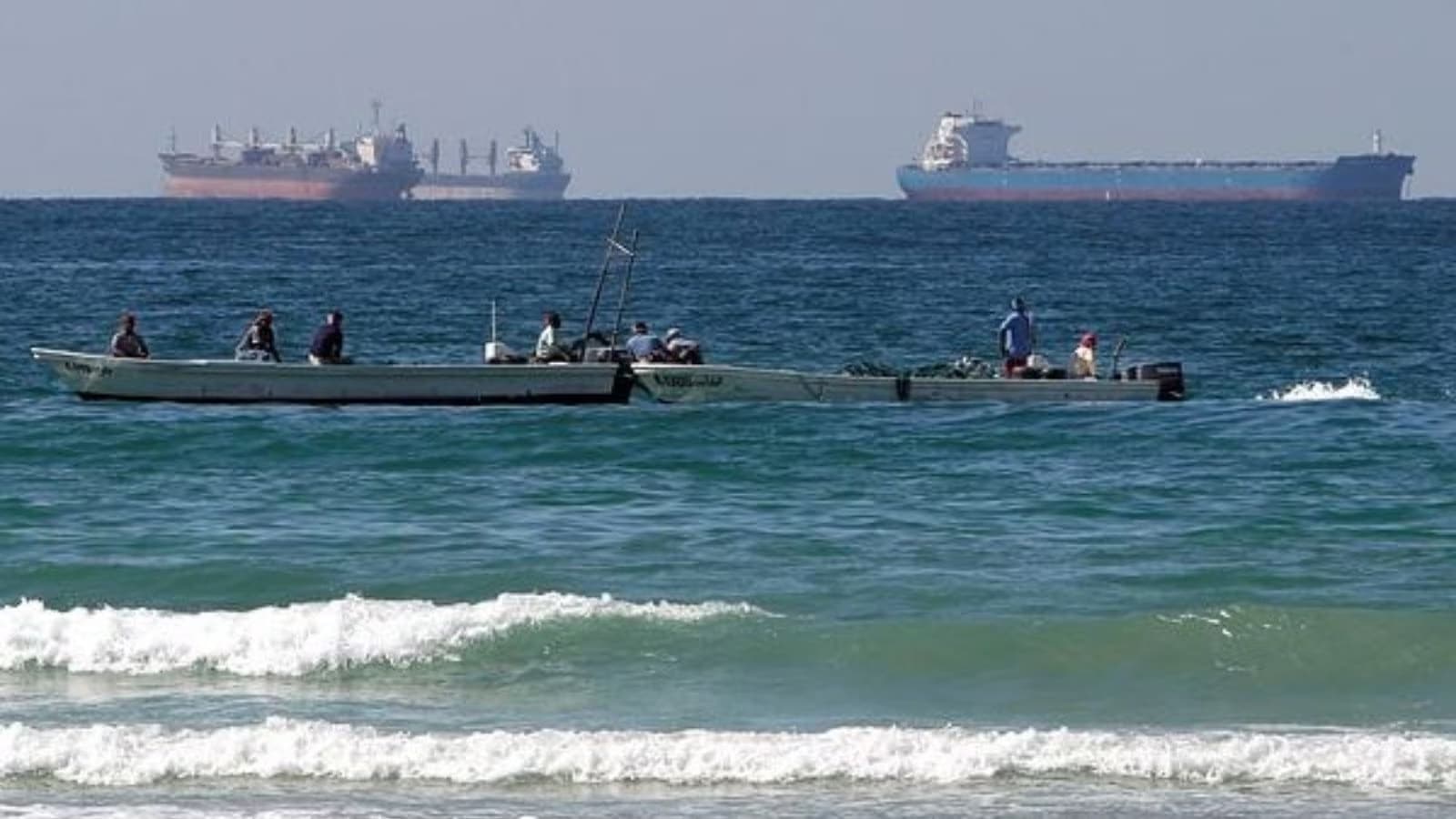
A rusted tanker walls through the heavy, humid air of the Persian Gulf. From the bridge, the sea looks less like water and more like mercury, thick and deceptively still. The captain watches the radar screen. A green sweep tracks a small, fast-moving blip approaching from the Iranian coastline. It is a routine dance, but routine never equals safe when you are steering $100 million of crude oil through a choke point just twenty-one miles wide.
This is the Strait of Hormuz. One-fifth of the world’s petroleum passes through this tight corridor. For decades, it has been the ultimate geopolitical tripwire, a place where a single miscalculation could send global markets into a tailspin. Learn more on a similar subject: this related article.
But away from the humid heat of the Gulf, inside air-conditioned rooms in Geneva and New York, a different kind of architecture is being assembled. Diplomats are trading paper instead of threats. They are trying to codify a quiet understanding between Washington and Tehran.
The dry policy briefs call it a regional de-escalation framework. The spreadsheets break it down into line items: centrifuges, enriched uranium percentages, and frozen asset accounts. But on the water, and in the boardrooms of global shipping conglomerates, it translates to something far more visceral. It is a calculation of survival, priced in barrels and backroom concessions. More analysis by The Washington Post highlights similar perspectives on this issue.
The Invisible Tollbooth
To understand the stakes, we have to look at how Iran has historically wielded its geography. Picture a highway where one property owner controls the only exit ramp. For years, Western analysts feared a total blockade—a sudden, catastrophic closing of the Strait. But the real strategy has always been far more subtle. It is a slow, methodical tightening of the knot.
Consider a hypothetical logistics manager we will call Marcus, sitting in an office in Rotterdam. He doesn't track political speeches; he tracks insurance premiums. When an Iranian patrol boat boards a vessel under a flimsy legal pretext, Marcus’s screen lights up with warnings. The cost of insuring a hull climbs. Shipping companies begin paying what maritime lawyers quietly call a "Hormuz service fee"—the literal and figurative cost of doing business under the shadow of Iranian coastal batteries.
Under the emerging terms of the current US-Iran understanding, this invisible tollbooth is supposed to undergo a structural change. The logic is simple: Washington offers targeted sanctions relief, allowing Iran to access billions of dollars in frozen oil revenues held in foreign banks. In return, Tehran agrees to lower the temperature in the shipping lanes.
The numbers are staggering on paper, yet they feel abstract until you realize what that money buys. When billions flow back into the Iranian treasury, it isn't just a macroeconomic shift. It alters the calculus of the Revolutionary Guard naval fast-attack crafts. The deal aims to buy predictability. For Marcus in Rotterdam, and for the captain on the bridge, success means the radar screen stays empty. It means the "service fee" drops.
The Centrifuge and the Scale
But geography is only half the ledger. The most volatile component of this bargain is buried deep underground in places like Natanz and Fordow.
Nuclear physics is cold, precise, and unforgiving. To the uninitiated, the debate over uranium enrichment levels sounds like academic jargon. What is the difference between 5% enrichment and 60%?
Think of it as a steep, winding mountain road. The effort required to get from the base of the mountain to the halfway point is immense. That is the journey from raw uranium ore to 5% enriched material, the level needed for peaceful nuclear power plants. But once you reach that halfway plateau, the road to the summit becomes terrifyingly short and steep. The jump from 60%—where Iran has positioned its stockpiles—to 90%, which is weapons-grade material, is a matter of weeks, perhaps even days.
The diplomatic dance isn't trying to erase the mountain. It is trying to force a pause on the slope.
The terms requiring Iran to cap its enrichment levels and allow International Atomic Energy Agency inspectors back into the rooms where the centrifuges spin are not driven by sudden trust. They are driven by a mutual recognition of the alternative. If the enrichment needles push any higher, the hidden war of sabotage, cyberattacks, and targeted assassinations threatens to spill out into the open sea.
This is where the two theatres collide. A spark in a centrifuge hall in the Iranian desert manifests days later as a limpet mine attached to the hull of a Japanese oil tanker in the Gulf of Oman. The nuclear programme and the maritime choke point are two ends of the same string. Pull one, and the other tightens.
The Ledger of Trust
The hardest part of analyzing these developments is confronting the sheer cynicism that blankets them. It is easy to look at a diplomatic interim agreement and see only compromise, or worse, appeasement. It is equally easy to view it through a lens of naive optimism, hoping that a signature on a document can erase decades of structural hostility.
The truth is far grimmer, and far more pragmatic. No one is signing a peace treaty. This is an exercise in risk management.
The United States wants to prevent a catastrophic regional war at a time when its strategic attention is fractured across Europe and Asia. Iran wants to breathe life into an economy suffocated by years of maximum pressure sanctions, quietening domestic unrest with the influx of frozen funds. It is a transaction between two entities that thoroughly despise each other, balancing on a ledger where every line item is verified by spy satellites and intelligence intercepts rather than goodwill.
What happens if the ledger balances? The money moves from accounts in Qatar or South Korea to buy food, medicine, or perhaps more drones. The centrifuges keep spinning, but at a slower, monitored hum. The tankers continue their quiet, tense passage through the gray waters of the Middle East.
The captain on the bridge logs his coordinates as he clears the western edge of the Strait. The fast-attack craft on his radar has turned back toward the coast. For today, the price of the Strait has been paid, the invisible toll settled in the quiet rooms of a distant continent, leaving nothing but the wake of a ship cutting through the heat.