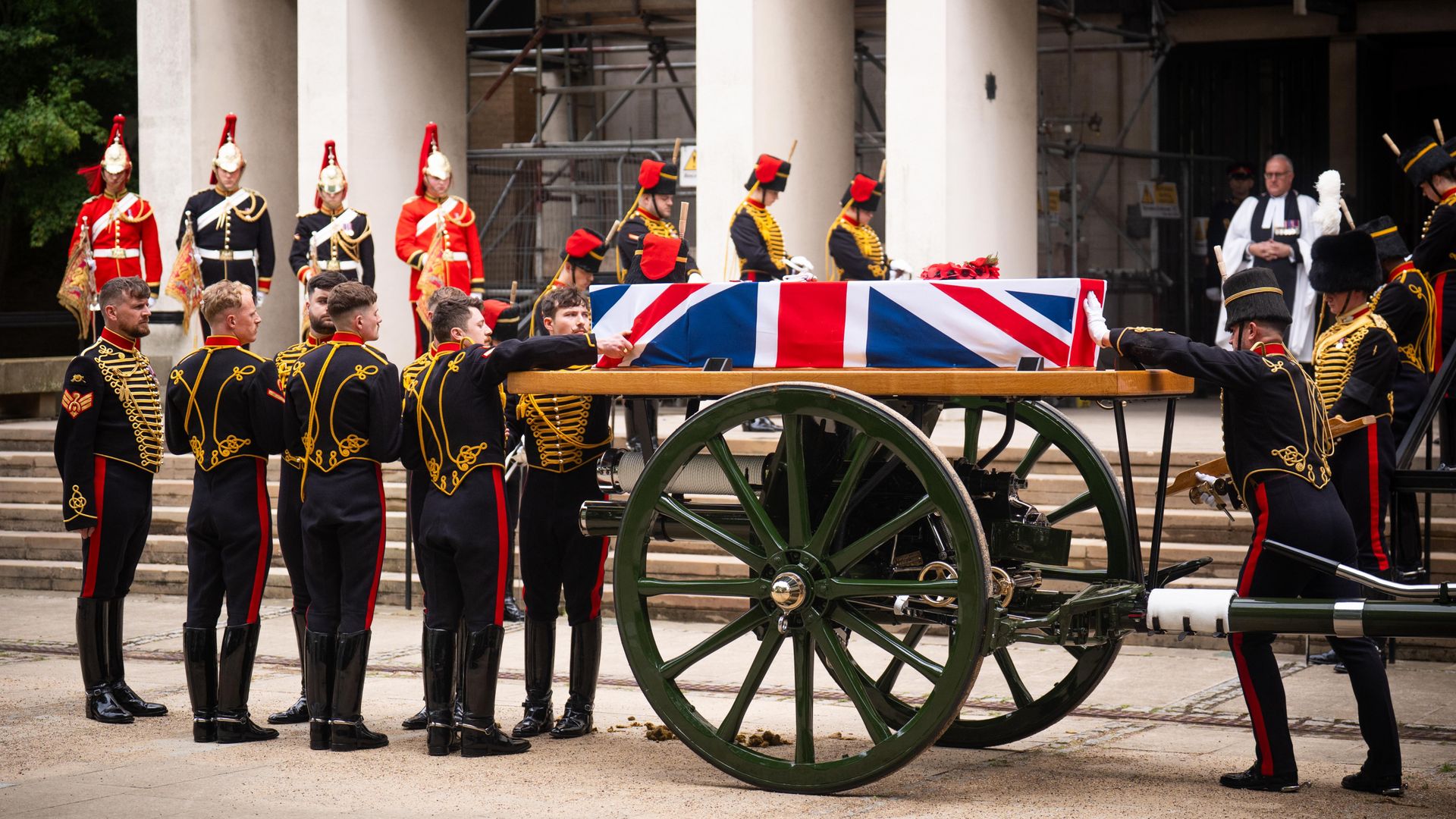
The tragic death of Lance Bombardier Ciara Sullivan, who died at the age of 24 after a catastrophic fall at the Royal Windsor Horse Show, has exposed the unforgiving risks embedded within Britain's elite ceremonial military operations. On June 2, 2026, military colleagues, senior regimental staff, and grieving family members gathered at The Guards’ Chapel, Wellington Barracks in central London, to witness a somber farewell marked by traditional military honors, state trumpeters, and a three-round volley. Yet, beneath the pristine uniforms and the sharp crack of the ceremonial rifles lies an uncomfortable reality regarding the immense physical strains placed upon the young soldiers tasked with executing Britain’s most high-profile royal spectacles.
The primary query surrounding this tragedy centers on how an elite, highly qualified instructor could suffer a fatal accident during a routine exit from a ceremonial arena. While mainstream media accounts have largely framed the incident as a sudden, unpredictable misfortune, an investigative look into the operational environment of the King’s Troop Royal Horse Artillery reveals a complex intersection of high-stakes performance pressure, unpredictable animal behavior, and the uncompromising demands of state pageantry.
The Illusion of Perfection on the Royal Stage
To the public, the King’s Troop Royal Horse Artillery represents the pinnacle of flawless British tradition. They are the soldiers who provided the foundational rhythm for Queen Elizabeth II’s state funeral in 2022 and King Charles III’s coronation in 2023. Sullivan was a veteran of both events. She was not an amateur. She was a recently qualified Advanced Regimental Riding Instructor and an exceptional jockey who routinely volunteered to ride the most demanding horses in the regiment.
The accident occurred at approximately 7:00 PM on May 15, right as the troop exited the main arena following an evening performance. It is a specific moment in equestrian displays where the intense focus of the arena performance breaks, and both horse and rider transition back to the staging areas. Observers of high-level military equestrianism know that these transition zones are often more hazardous than the performance itself. Horses are highly sensitive herd animals. The sudden shift from the bright lights and roaring crowds of the Royal Windsor Horse Show to the narrow, high-stress exit pathways can cause even well-trained military working horses to bolt or react unpredictably.
Thames Valley Police, alongside the Defence Accident Investigation Branch (DAIB), immediately launched an investigation into the "unexplained but non-suspicious" death. What they are analyzing is not foul play, but the precise mechanical and situational breakdown that led to a fatal injury at the scene.
The Physical Toll of Heavy Ceremonial Duty
While modern sporting jockeys ride lightweight saddles on manicured tracks, military exhibition riders face a completely different set of physical variables. The King’s Troop utilizes heavy historic equipment, pulling vintage World War I-era thirteen-pounder field guns. The riders must maintain rigid, formal postures while managing powerful horses that are frequently reacting to the concussive sounds of blank artillery fire and erratic crowd movements.
The physical demands placed on a 24-year-old junior commander in this environment are staggering. To maintain the appearance of effortless tradition, these soldiers undergo grueling training regimens at Pirbright and within their units. Sullivan was noted for her exceptional fitness and dedication to the gym, a necessity for managing animals that outweigh their riders tenfold.
+-----------------------------------------------------------------------+
|          Operational Hazards in Military Ceremonial Equestrianism     |
+-----------------------------------------------------------------------+
| 1. High-Concussive Environments (Artillery fire, marching bands)     |
| 2. Rigid Postural Requirements (Limits rider flexibility during falls)|
| 3. Heavy/Traditional Tack (Lacks modern safety-release mechanisms)     |
| 4. Unpredictable Transition Zones (Exiting high-stimulus arenas)      |
+-----------------------------------------------------------------------+
The investigation by the DAIB will inevitably have to look at whether the rigid safety parameters used in modern competitive equestrian sports are being adequately applied to historic military displays. In standard eventing or show jumping, body protectors and advanced helmet designs are continuously updated to mitigate high-impact trauma. In royal pageantry, safety gear must always compete with the strict aesthetic demands of historic uniforms. If a uniform design restricts a rider’s ability to tuck and roll during a heavy fall, or if traditional tack prevents a quick release from a panicked animal, the risk of catastrophic injury rises exponentially.
Royal Disconnect and Institutional Silence
A particularly jarring element of the tragedy was the timeline of communication surrounding the royal family's awareness. King Charles III, along with the Duke and Duchess of Edinburgh, were physically present at the Windsor arena when the incident occurred. However, a Buckingham Palace spokesperson later admitted that the royal party was not made aware of the severity of the situation until much later in the evening.
This delay highlights an institutional insulation that frequently characterizes high-profile royal events. While organizers from HPower and emergency services were managing a fatal medical emergency just outside the arena gates, the show continued according to its published timetable. The decision to proceed with the event, omitting only the King’s Troop displays on subsequent days, reflects a "show must go on" mentality that critics argue prioritizes institutional optics over operational reflection.
King Charles later expressed that he was "greatly shocked and saddened" by the death, offering personal condolences to the family. Defence Secretary John Healey also issued a standard tribute, calling Sullivan a "brilliant young soldier." Yet, these top-tier expressions of grief do little to address the systemic pressures faced by the lower ranks who execute these spectacles.
The Weight of the Boots Reversed
The funeral at The Guards’ Chapel featured the profoundly symbolic military tradition of a horse carrying Sullivan's riding boots reversed in the stirrups. It is a visual reminder that the soldier has completed their final journey and will ride no more. Flags flew at half-mast across all Army buildings in London.
This tragedy cannot be dismissed as a simple freak accident. It requires a hard look at whether the British military’s ceremonial units are balancing historical accuracy with modern operational safety effectively. When an instructor of Sullivan's caliber—fearless, gifted, and highly trained—suffers a fatal injury under non-combat conditions, the system itself must be scrutinized.
The military cannot afford to view these young riders merely as moving parts of a living museum. As the DAIB concludes its technical investigation, the findings must go beyond analyzing the specific horse or the specific patch of ground where Sullivan fell. The inquiry must evaluate the systemic pressures of an unrelenting royal calendar that demands flawless, high-risk physical performances from young soldiers who are silently bearing the brunt of Britain's ancient traditions.


