The Sound of Leaking Pipes
Water does not care about executive bonuses. It does not pause its journey through fractured Victorian iron because a corporate boardroom has approved a retention package. It leaks. It drips. It finds the path of least resistance through crumbling infrastructure, pooling beneath tarmac and seeping into the foundations of old homes while accountants tally figures on illuminated screens.
Consider a hypothetical resident named Arthur, sitting in a kitchen in the south of England. Outside, a gentle drizzle taps against the windowpane, a reminder of the endless moisture that surrounds an island nation. Inside, Arthur stares at a utility bill that has climbed steadily for the third consecutive year. On the kitchen table lies a local newspaper, its headlines screaming about a single million-pound payment directed straight to the pockets of a finance chief. Recently making waves in related news: Fire Season Realities Inside British Columbia.
One million pounds.
To Arthur, whose pension stretches only so far, the number is an abstraction. It belongs to a different universe. But the reality of that transaction hits closer to home than any balance sheet suggests. It represents deferred maintenance. It represents the cost of silence in the face of mounting public frustration. Additional insights on this are detailed by Al Jazeera.
The Anatomy of a Controversy
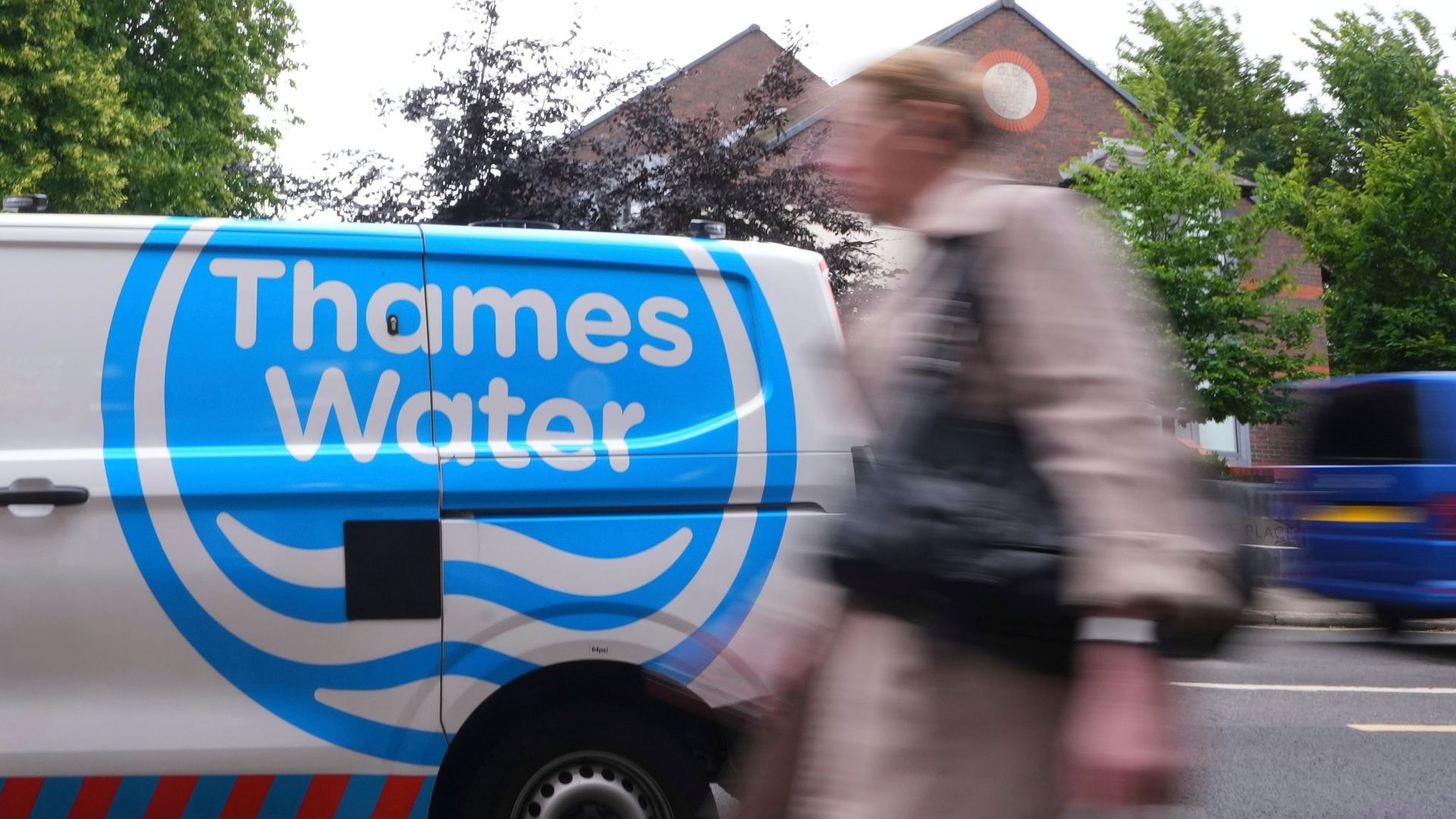
The storm did not arrive overnight. It gathered strength in the murky depths of environmental reports and regulatory filings. Britain’s largest water provider, a corporate giant managing the liquid lifelines for millions of households, found itself once again under intense scrutiny.
At the center of the tempest lies a simple, provocative financial maneuver: a massive payment awarded to its chief financial officer. In a climate where consumers are told to tighten their belts, conserve resources, and absorb rising tariffs to fund urgent infrastructure overhauls, handing out seven-figure rewards feels like a provocation.
Public trust is a fragile vessel. Once cracked, it leaks faster than an unmaintained main.
Regulators have spent years attempting to balance the books of private utility monopolies against the public interest. The argument for high compensation packages usually hinges on talent retention. The narrative goes that managing a sprawling, capital-intensive utility network requires elite corporate leadership, and elite leadership demands top-tier compensation.
But logic frays when the metrics of success are disconnected from the lived experience of the consumer.
When beaches are marred by the discharge of untreated wastewater, and when bills climb while leakage rates remain stubbornly high, rewarding executive performance looks less like prudent management and more like a detachment from reality.
The Infrastructure Burden
Step back for a moment and look at the physical architecture of the problem. Beneath our feet lies a subterranean labyrinth of clay, lead, and iron installed during the reign of Queen Victoria. These networks were marvels of their era, built to serve a fraction of the modern population. Today, they groan under the weight of climate change, urban expansion, and chronic underinvestment.
Fixing this requires staggering amounts of capital. Billions of pounds are needed to line old pipes, build new reservoirs, and upgrade sewage treatment plants that overflow during heavy downpours. Every pound spent on executive retention is a pound diverted from a trench digger, a modern sensor, or a structural upgrade.
This is the invisible trade-off.
When a finance chief secures a million-pound windfall, the cost is not merely monetary. It is measured in the erosion of faith. It tells the public that corporate survival takes precedence over environmental stewardship. It fosters a quiet, simmering resentment among ratepayers who wonder why their environmental levies are subsidizing executive luxury while local rivers bear the burden of neglected upgrades.
The Human Cost of Corporate Metrics
Numbers have a way of sanitizing reality. In financial reports, liabilities are balanced against assets, and executive remuneration is filed neatly under operational costs. But peel back the accounting nomenclature, and you find human stakes.
Think of small business owners running local cafes, bracing for utility hikes that eat directly into their fragile margins. Think of anglers walking along riverbanks, documenting pollution levels with a mixture of sorrow and anger. Think of families cutting back on household water usage during dry spells while reading about boardroom windfalls.
These groups do not share a common boardroom, but they share the consequences of corporate decisions made miles away.
The justification offered by corporate defenders often relies on market competitiveness. If we do not pay competitive rates, they argue, top talent will migrate to other sectors. Yet, this defense ignores the unique nature of utility monopolies. These are not dynamic tech startups operating in a free, hyper-competitive global market. They are regional monopolies providing an absolute essential for human survival. Customers cannot simply switch to a rival water provider if they dislike the management's compensation structure. They are captive participants in a system where accountability is mediated by distant regulators.
The Breaking Point
Pressure is mounting from all sides. Environmental groups are mobilizing, demanding stricter penalties for pollution and tighter caps on executive pay. Lawmakers are holding hearings, pressing corporate executives to justify bonuses in the face of failing environmental metrics.
Yet, the core tension remains unresolved.
How do you reconcile private profit with public necessity? How do you convince a skeptical public that the people managing their most precious natural resource deserve million-pound bonuses while the infrastructure itself cries out for repair?
The answer will not be found in another corporate press release or a sanitized sustainability report. It will be found when accountability matches the scale of the crisis.
Back in his kitchen, Arthur folds the newspaper and places it neatly beside his utility bill. The rain has stopped, but the dampness remains, clinging to the brickwork outside. The pipes beneath the street continue their silent, hidden work, carrying water to thousands of homes, waiting for the day when the investments finally catch up with the need.
The million-pound payment has been logged, debated, and defended. But the water still flows, and the questions refuse to wash away.