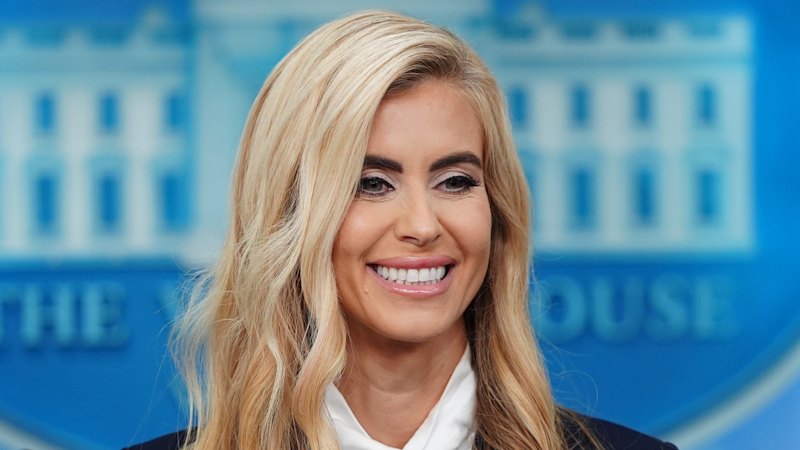
Visual signaling inside an executive office functions as an intentional communication channel, trading bureaucratic continuity for immediate media legibility. When commentators observe that prominent women around a president share a polished, blonde, or heavily styled presentation while also experiencing sharp turnover, surface-level commentary usually stops at personal taste or workplace drama. A rigorous breakdown separates three distinct mechanics: aesthetic signaling as a political asset, media-driven selection incentives, and structural fragility that shortens tenure.
Deconstructing Surface Narratives vs. Structural Mechanics
Standard media commentary on executive circles often merges separate phenomena into one story. One common claim is that leaders simply pick appointees based on personal attraction or aesthetic conformity. Another claim is that high-profile women are placed in roles to absorb blame when controversies erupt. Both observations touch real dynamics, yet neither explains the full chain of cause and effect.
Known facts include the historical reality that television and social media reward high-contrast visual cues, that political communications rely heavily on recognizable surrogates, and that high-visibility executive roles carry elevated turnover across administrations. Educated hypotheses connect those facts: when an executive prioritizes broadcast punchiness, loyalty signaling, and personal brand alignment over institutional tenure, appointments become transactional rather than permanent. Where exact internal motives or private hiring criteria are not documented in public records, the most reliable analysis focuses on observable incentives and organizational trade-offs rather than inventing private quotes or unseen deals.
The Three Pillars of Aesthetic Signaling in Executive Politics
To understand why a specific look clusters around a political leader, treat appearance as a strategic instrument operating across three channels.
- Broadcast Contrast and Frame Capture: In crowded television split-screens and short-form video feeds, visual distinctiveness helps a speaker stand out from standard dark-suit political norms. High-contrast styling, bright hair tones, and deliberate grooming act as immediate visual anchors that hold viewer attention during brief clips.
- Loyalty and Cultural Alignment: In populist or personality-centered movements, stylistic conformity often signals shared cultural codes. Adopting a recognizable aesthetic communicates alignment with an in-group norm faster than a policy memo can.
- Surrogate Memorability: Spokespeople, advisers, and cabinet surrogates compete with hundreds of daily news cycles. A distinct visual profile lowers audience friction when viewers try to recall who delivered a message or defended a policy.
The first limitation of this approach appears when visual polish is mistaken for policy mastery. A sharp visual presence can win a ten-second clip while failing during detailed committee testimony or complex interagency negotiations.
Why High-Visibility Roles Carry Elevated Attrition
High turnover among prominent women in an administration is not explained by a single cause. Instead, it emerges from an interaction between role design, public scrutiny, and executive decision-making style.
Public-facing positions—such as press secretaries, communications directors, and high-profile agency heads—sit directly at the collision point between executive messaging and outside pushback. Every briefing, interview, or policy rollout tests message discipline under real-time pressure. When a leader treats public communication as a continuous performance test, any slip on camera or perceived drift from the core message carries immediate reputational cost.
Another mechanism is asymmetrical exposure. Figures placed out front to defend contested policies become primary targets for opposition criticism and media scrutiny. Over time, sustained public pressure erodes their utility as fresh messengers, even when their underlying work has not changed.
A third factor is personal-loyalty governance. When access and standing depend heavily on day-to-day rapport with the principal rather than formal civil-service protection, fortunes can shift rapidly. A single strained interaction, a media misstep, or a shift in strategic priorities can end a tenure abruptly.
Consider a hypothetical communications director brought in for sharp television delivery and rapid online rebuttal. During the opening months, high-energy appearances generate strong clip distribution and clear talking points. Six months later, an unexpected policy crisis demands technical regulatory detail and cross-agency coordination. The very traits that made the messenger effective in short-form combat—speed, punchiness, and tight alignment with one voice—can become liabilities when institutional stability is required.
The Cost Function of Visual-First Staffing
Every staffing model carries a trade-off between short-term attention capture and long-term institutional depth. Optimizing heavily for visual impact and immediate media alignment creates specific costs across an organization.
- Higher Replacement Friction: Frequent departures force constant recruiting, security vetting, and message retraining. Institutional memory leaks out each time a senior communicator or agency leader exits.
- Narrower Expertise Bandwidth: If aesthetic alignment or media flair receives heavy weight relative to domain management, teams may face gaps when translating political slogans into durable administrative execution.
- Reputational Volatility: Rapid firings or visible fallouts generate secondary headlines about chaos or disposability. Those stories can overshadow substantive policy wins and make experienced candidates hesitant to join.
- Audience Polarization: A hyper-curated look resonates strongly with core supporters who read it as strength or glamour, yet critics often read the exact same presentation as superficiality or tokenism. That split sharpens identity politics while narrowing persuasion outside the base.
A second limitation of aesthetic-driven selection is diminishing returns. Once a visual style becomes an obvious cliché, it loses its novelty and invites parody rather than attention.
How Analysts Should Evaluate Future Claims
When a new wave of commentary claims that a president favors a particular look or fires women at higher rates, disciplined analysts should test those claims against concrete evidence rather than viral framing.
First, establish a clear baseline. Compare turnover rates across genders, roles, and tenure lengths within the same administration, and benchmark them against prior administrations. Public-facing roles almost always turn over faster than quiet policy or legal posts, regardless of who holds them.
Second, separate selection from exit. The factors that get someone hired—media skill, personal loyalty, ideological alignment, or visible polish—are not identical to the triggers that get them fired, such as bad press, policy misfires, or shifting political calculus.
Third, account for the media ecosystem itself. Algorithms and television producers amplify striking visuals and dramatic exits because both generate engagement. What looks like an ironclad rule from a curated feed may look far more varied across the full roster of hundreds of appointees.
The Strategic Play for Leaders and Observers
For any political operation or executive team, the optimal play is to decouple visual signaling from operational authority. Use high-impact communicators deliberately for outward framing and media reach, while anchoring day-to-day execution in durable institutional operators who are judged on deliverables rather than camera time.
For observers, analysts, and readers, the decisive move is to track incentives and structural trade-offs over time rather than reacting to single headlines. By separating visual strategy, media incentives, and organizational turnover into distinct variables, you can see clearly where political theater ends and real governance begins.


