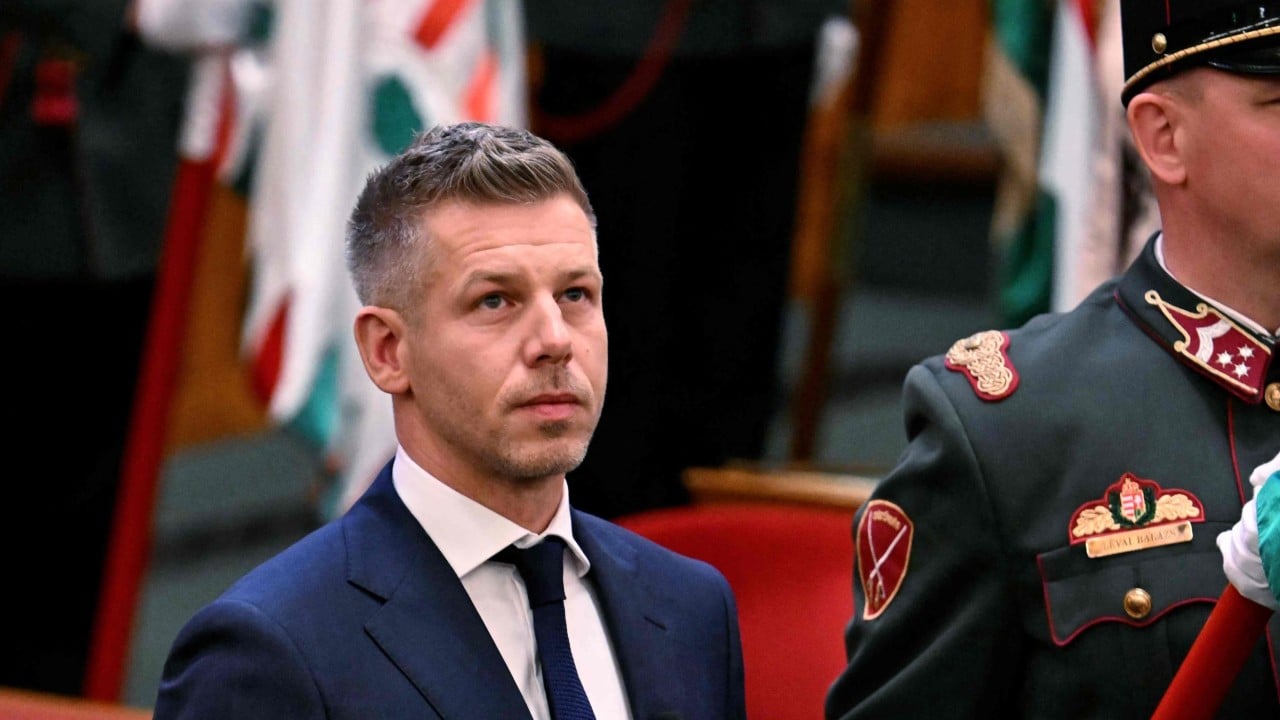
The air in Budapest finally smells like something other than stale propaganda. On May 9, 2026, Peter Magyar officially took the oath as Hungary’s new Prime Minister. It wasn't just another boring ceremony with men in suits. It was the definitive end of Viktor Orban’s 16-year grip on the country. If you’ve followed Eastern European politics at all, you know this wasn't supposed to happen. Orban looked untouchable. He’d built a system so rigged, so insulated by state-run media and gerrymandered districts, that most people figured he’d leave office in a casket, not a concession speech.
But here we are.
Magyar didn't just win; he destroyed the old guard. His TISZA party secured a two-thirds supermajority, taking 141 of the 199 seats in parliament. Orban’s Fidesz party, once a behemoth, has been gutted down to just 52 seats. Honestly, it's a political earthquake that's going to ripple across the entire continent. You’re looking at the first time since 2006 that Orban hasn't come out on top.
How an insider tore down the house
Magyar isn't some random activist who appeared out of thin air. He was part of the machine. He's a lawyer and a former Fidesz insider who was married to Judit Varga, Orban’s former Justice Minister. He knew where the bodies were buried because he helped dig some of the holes.
The breaking point came during the 2024 "pardon scandal." When the government tried to use his ex-wife as a scapegoat to protect the higher-ups, Magyar flipped. He didn't just quit; he went nuclear. He released audio recordings and detailed exactly how the "Orban mafia" operated. He turned the government's own playbook against them.
While Orban spent the last decade fighting imaginary enemies like George Soros or "Brussels bureaucrats," Magyar focused on the stuff that actually makes life hard for Hungarians. He talked about the failing hospitals. He talked about the teachers who can't afford rent. He basically told the country: "They’re getting rich while you’re getting ignored."
[Image of Hungary's Parliament building in Budapest]
The numbers don't lie
Voter turnout hit nearly 79%. That’s massive. It shows that people weren't just tired; they were motivated. Magyar’s TISZA party didn't just win the cities; they made huge gains in rural areas that Orban thought he owned.
The demographic shift is what should really scare the old-school nationalists. Estimates suggest nearly 90% of voters under 30 went for Magyar. Orban’s base has been reduced to pensioners and a shrinking group of rural loyalists. You can’t run a country for another 16 years when the entire next generation wants you gone.
What changes on day one
Don't expect a slow transition. Magyar’s supermajority gives him the power to tear up the laws Orban used to cement his power. He’s already made a few things clear:
- The EU Flag is back: In a symbolic move, the European Union flag was raised on the parliament building today. Orban took it down twelve years ago. It’s a signal that the era of constant vetoes and fighting with Brussels is over.
- Frozen billions: There’s about $20 billion in EU funds sitting in a freezer because of Orban’s corruption. Magyar is already moving to restore the rule of law to get that cash flowing back into the Hungarian economy.
- Corruption Crackdown: He’s creating the National Asset Recovery and Protection Office. Its only job is to find the public money that "disappeared" into the pockets of Orban’s friends and family over the last decade and a half.
Magyar is also planning to suspend the state broadcaster. For years, it’s been nothing but a megaphone for government talking points. He wants to reset it with actual independent editorial standards. It’s a bold move, and honestly, a necessary one if he wants to detoxify the national conversation.
The Russian pivot
This is where it gets interesting for the rest of the world. Orban was Putin’s best friend in the EU. He blocked aid for Ukraine and kept Hungary hooked on Russian energy like an addict. Magyar has promised to flip the script. He wants to reduce dependency on Russian energy by 2035 and stop the "puppet state" vibe that’s defined Hungarian foreign policy lately.
But he’s not a total pushover for the West either. He’s kept the border fence and is still skeptical about some EU migration pacts. He’s a centrist, not a radical leftist. He’s playing a smart game by keeping some of the conservative policies that Hungarians actually like while ditching the authoritarian baggage.
What you should watch for next
The honeymoon won't last forever. Uprooting a 16-year regime is messy. Orban’s allies are still embedded in the courts, the universities, and the business sector. They aren't going to just pack up and leave because there’s a new guy in the office.
If you’re watching this from the outside, the real test starts now. Magyar has to prove he can actually govern, not just campaign. He’s promised to review every state contract and trace every transaction. That's a lot of paperwork and a lot of powerful people he’s about to make very angry.
The first thing to look for is the release of those frozen EU funds. If that money starts hitting the treasury, Magyar will have the capital he needs to fix the healthcare system and keep his promise to the voters. If it gets tied up in more red tape, the "hopium" that carried him to victory might start to fade.
Keep an eye on the state media transition. If he manages to turn the propaganda machine into a real news outlet, it’ll be the biggest win for democracy in Eastern Europe this decade.
The Orban era is dead. Now we see what Magyar actually builds on top of the ruins.



