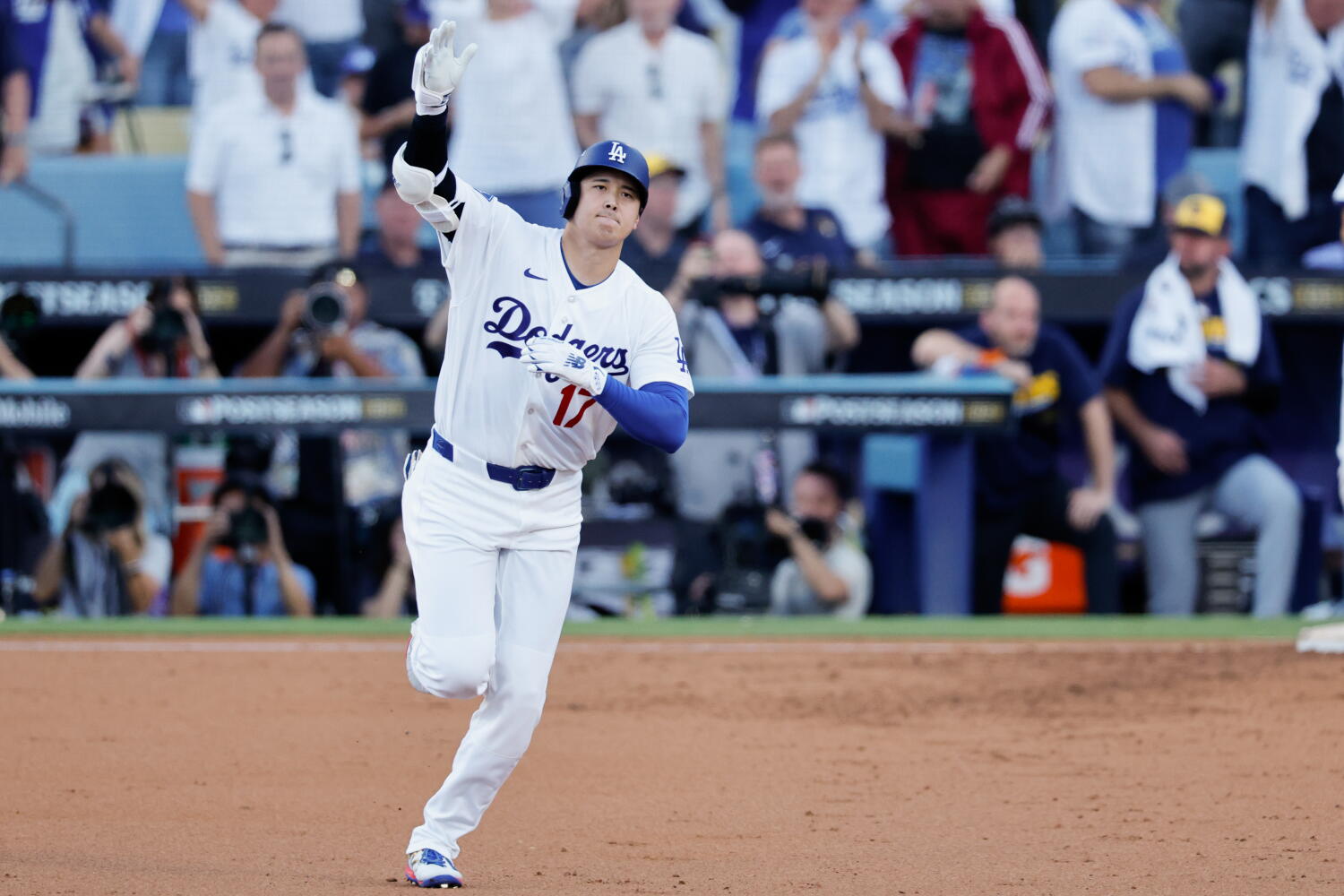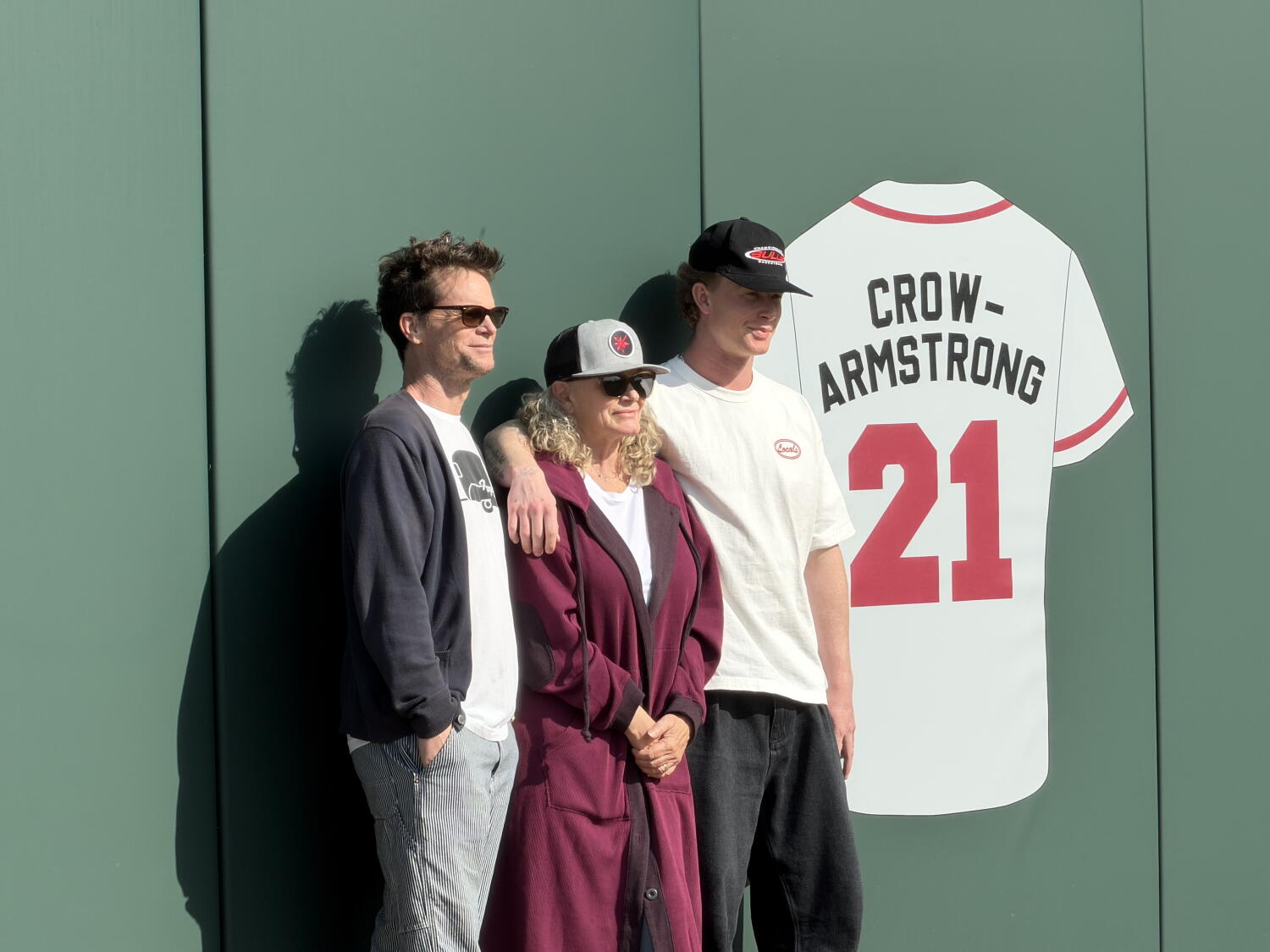
Watching Pete Crow-Armstrong sprint across Wrigley Field at full tilt makes you forget how rough the first half of his big-league offensive story looked. Just a couple of years after struggling to hit .240 as a rookie, the former Harvard-Westlake standout swept the 2026 National League MVP vote unanimously. Forty-five home runs. Forty-one stolen bases. A Platinum Glove and a Hank Aaron Award in the same autumn.
That leap from light-hitting defensive wizard to unanimous MVP is why Pete Crow-Armstrong's journey matters way beyond Wrigleyville. Plenty of prospect write-ups treat his rise like a straight line from a shiny 2020 first-round pick to a 40-40 superstar. Honestly, that version skips the shoulder surgery, the swing doubts, and the quiet adjustments that actually made him dangerous.
How Harvard-Westlake Built His Baseball IQ
Growing up in Sherman Oaks and playing center field at Harvard-Westlake in Los Angeles gave Crow-Armstrong reps against high-level competition long before draft boards got serious. High school baseball in Southern California is a grind, and scouts loved his instincts, range, and feel for the game from day one.
As a junior in 2019, he hit .395 with three homers and 23 RBIs to earn MaxPreps High School All-American Second Team honors, then tore through 10 games at a .514 clip in 2020 before the COVID-19 pandemic shut down his senior season. That shortened spring didn't hurt his stock. The New York Mets took him 19th overall in the 2020 MLB Draft.
What often gets overlooked is how he carried himself off the field in Studio City. School coverage from The Harvard-Westlake Chronicle noted that even while ranked among the top prep players in the country, he stayed locked into class—including a business elective—and kept a low ego. You don't survive a slow offensive start in Chicago without that kind of steadiness.
The Trade That Changed Everything
Drafted by New York, Crow-Armstrong barely got his minor-league footing before disaster struck in May 2021. He suffered a torn right labrum after playing just six games that season. A shoulder injury for a center fielder who relies on throwing accuracy and swing mechanics is scary.
Two months later, at the July 30, 2021 trade deadline, the Mets shipped him to the Chicago Cubs along with prospect depth for shortstop Javier Báez and right-hander Trevor Williams. At the time, fans argued endlessly about short-term contention versus future upside. Looking back from late 2026, Chicago won that swap by a mile.
Once healthy in 2022, he showed why the Cubs wanted him. He hit .287 with nine homers and 19 steals in 63 games at South Bend, earned a Rawlings MiLB Gold Glove, and played in the Sirius XM All-Star Futures Game in Los Angeles. By 2023, he mashed 20 homers and stole 37 bases across 107 minor-league games before getting his September call-up to Chicago.
Surviving the Rookie Growing Pains
If you only watched Crow-Armstrong during his 2023 debut cup of coffee or the first half of 2024, you probably wondered if the bat would ever catch up to the glove. In 13 games in September 2023, he didn't collect a hit in 14 at-bats, contributing mostly on the bases and in the field.
His 2024 rookie campaign was a tug-of-war between elite defense and shaky contact. Across 123 games with the Cubs, he slashed .237/.286/.384 with 10 home runs, 27 stolen bases, six triples, and 47 RBIs. Yet Statcast already graded him as the second-best defensive outfielder in baseball and tied him for third in sprint speed.
Here's where most evaluators get lazy. They see a .286 on-base percentage and write a hitter off as a fourth outfielder or glove-first regular. Crow-Armstrong didn't panic. He kept taking reps, trusted his bat path, and let his athleticism play every single day without pressing for every pitch.
Why Defense and Speed Kept Him in the Lineup
A lot of young hitters lose their confidence when strikeouts pile up or averages dip below .240. Crow-Armstrong had a built-in safety valve because his defense and baserunning helped the Cubs win games even when he went 0-for-4.
That's a huge lesson for player development: high-floor defenders earn runway. When a manager knows a center fielder is going to rob extra-base hits and turn singles into doubles on the bases, you can live through a rough week at the plate while adjustments settle in.
How Pete Crow-Armstrong's Journey Reached MVP Heights
The real turning point came in 2025. Crow-Armstrong made his first All-Star team, joined the 30-30 club, earned All-MLB Second Team honors, and captured his first Gold Glove in center field. Suddenly, the tools weren't theoretical anymore—they were showing up nightly against big-league pitching.
Then came 2026, a season that belongs in the history books. Playing all 162 regular-season games at age 24, he hit .280/.372/.570 (.942 OPS) with 45 home runs, 107 RBIs, 119 runs scored, and 41 stolen bases. Per Baseball-Reference, he posted a 156 OPS+ and 9.8 WAR in 2026.
Look at the sheer variety of milestones he stacked in one year:
- He became the first player in Cubs history to record a 40-40 season, and the first to post 30-plus doubles, 30-plus home runs, and 30-plus steals in the same year.
- His 45 home runs set a single-season record for a left-handed hitter and for any player aged 24 or younger, while tying for the Major League lead.
- On June 15, 2026, he hit for the reverse natural cycle—just the 13th cycle in Cubs history—joining an ultra-rare group with a cycle, a three-homer game, and a leadoff homer in the same season.
- He swept major hardware, winning unanimous NL MVP honors ahead of Shohei Ohtani and Brice Turang, along with the Hank Aaron Award, Silver Slugger, Gold Glove, and Platinum Glove.
You can check full game logs and career splits on MLB.com, and the numbers still look slightly unreal. Going from a .384 slugging percentage in 2024 to .570 with 45 homers two years later isn't a fluke; it's a complete transformation in damage and plate approach.
What Scouts and Fans Still Debate About PCA
Even after a unanimous MVP, smart baseball folks still ask fair questions about how sustainable this peak is. Power spikes in young hitters always invite skepticism, especially when a player hits 45 home runs after hitting 10 in 2024.
Will he hit 45 homers every single year? Probably not—very few hitters do, and Wrigley wind patterns can play tricks in both directions. Still, his combination of bat speed, pull-side lift, elite speed, and Gold-Glove-plus center-field defense gives him one of the highest annual floors in baseball.
There's also the question of how his MVP run reshapes the Cubs' timeline. Chicago hadn't produced an NL MVP since Kris Bryant in 2016, and Crow-Armstrong's rise—paired with his multi-year contract security—gives the franchise a true cornerstone in his prime.
Practical Ways to Track His Next Chapter
If you follow MLB closely, play fantasy baseball, or coach young outfielders, there are concrete things you can watch next:
- Track hard-hit and chase rates early in 2027: Watch whether his 2026 jump in on-base percentage (.372) and slugging (.570) holds against tough left-handed pitching and high-velocity fastballs.
- Study his center-field routes, not just diving catches: Great outfielders make hard plays look routine by reading spin and jump off the bat early—pay attention to his first three steps on fly balls to the gaps.
- Evaluate him in context for dynasty and keeper leagues: Even if home run totals fluctuate slightly from year to year, 30-plus steals and elite run prevention keep his value sky-high in formats that reward all-around production.
From Harvard-Westlake to a unanimous MVP trophy, Pete Crow-Armstrong's journey proves that patience with a two-way athlete can pay off in ways nobody predicts on draft night.