Peru is currently trapped in a recursive cycle of executive fragility and legislative dominance that has effectively decoupled the state's political functions from its administrative and security requirements. The upcoming elections do not represent a standard democratic transition but rather a stress test for a system where the "vacancy" mechanism has been weaponized, and organized crime has filled the vacuum left by a retreating state. To understand the current crisis, one must analyze the convergence of constitutional loopholes, the fragmentation of the party system, and the skyrocketing cost of domestic insecurity.
The Constitutional Asymmetry of the Vacancy Power
The primary driver of Peru’s political volatility is the imprecise definition of "permanent moral incapacity" within Article 113 of the Constitution. Originally intended as a mechanism for mental health issues, it has been repurposed into a tool for legislative coups. This creates a permanent state of executive precarity where the President serves at the pleasure of a fragmented Congress rather than for a fixed term. If you enjoyed this piece, you should read: this related article.
This structural imbalance produces two distinct outcomes:
- Short-termism in Policy: Ministers are replaced with such frequency that technical continuity in infrastructure and health is impossible. The average tenure for a cabinet member has plummeted, leading to a "frozen bureaucracy" where officials refuse to sign off on projects for fear of future prosecution.
- Transactional Governance: Executives survive by trading ministerial appointments or budget allocations for congressional votes, a process that inherently favors parochial interests over national strategy.
The Economics of Insecurity and Kinetic Risk
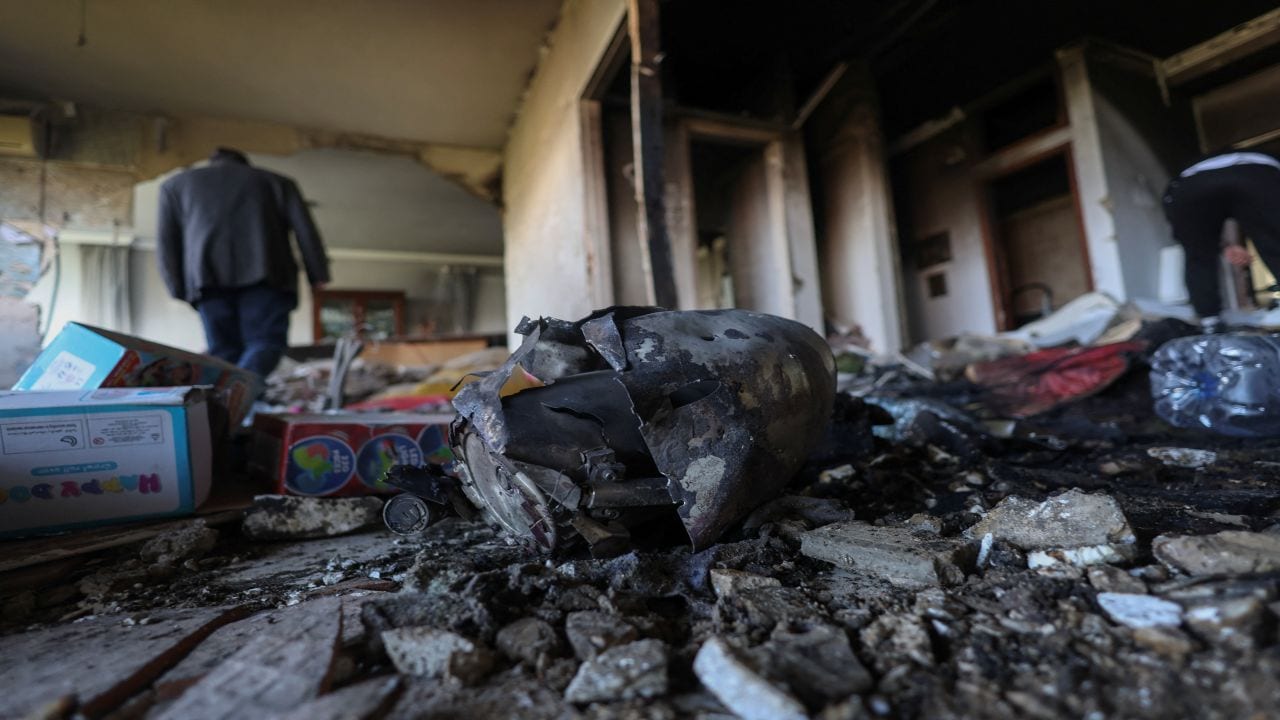
While political headlines focus on palace intrigue, the material reality for the Peruvian electorate is defined by the rapid expansion of extortion and violent crime. This is not merely a "law and order" issue; it is a significant tax on the informal economy, which constitutes roughly 70% of Peru’s labor force. For another perspective on this story, refer to the latest update from BBC News.
The Extortion Multiplier
The rise in crime acts as a regressive tax. Small businesses in Lima and northern coastal cities now factor "protection money" into their OpEx. When the state fails to provide a monopoly on violence, the cost of doing business rises until margins evaporate, forcing formal businesses into the informal sector or out of existence. This creates a negative feedback loop:
- Reduced formal activity lowers tax revenue.
- Lower tax revenue diminishes the police budget.
- Weakened policing allows criminal syndicates to expand.
Transborder Criminal Convergence
Peru has transitioned from a transit point for illicit goods to a hub for sophisticated regional syndicates, most notably the Tren de Aragua. The synergy between local gangs and international cartels has increased the lethality of street crime. The state’s response—periodic "states of emergency"—fails because it addresses the symptoms (presence on the street) rather than the nervous system (money laundering, prison command centers, and arms trafficking).
The Fragmentation of the Political Market
The 2026 electoral landscape is characterized by a "low-entry barrier" problem. In most functioning democracies, parties act as filters. In Peru, the collapse of traditional parties like APRA or the weakening of Fujimorism has led to a proliferation of "electoral vehicles"—short-term entities built around a single personality rather than a coherent ideology.
This fragmentation ensures that no candidate is likely to achieve a significant mandate. A president winning with 15-20% of the first-round vote lacks the social capital to implement painful but necessary structural reforms. This "minority presidency" leads directly back to the constitutional asymmetry mentioned earlier: a weak president facing a hostile, fragmented Congress.
The Mining Paradox and Macroeconomic Insulation
Peru’s macroeconomics have historically been "insulated" from its politics, a phenomenon often called the "Peruvian Paradox." The Central Reserve Bank (BCRP) maintains autonomy and keeps inflation low, while the mining sector continues to export copper regardless of who is in the Pizarro Palace. However, this insulation is thinning.
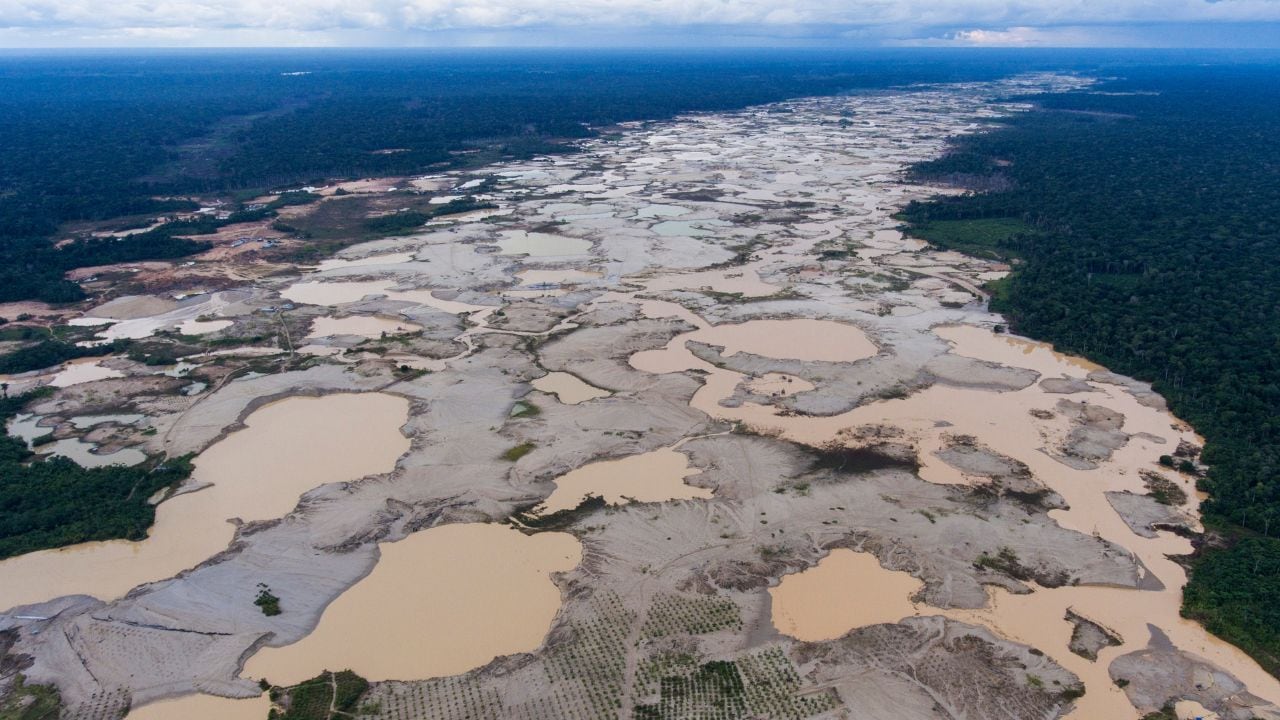
The lack of political stability is now impacting the "social license" required for new mining projects. Without a strong central government to mediate between indigenous communities and multinational corporations, $50 billion in mining investment remains stalled. The cost of this paralysis is the loss of a generational opportunity to capitalize on the global energy transition’s demand for copper.
Strategic Forecast and the Security Pivot
The winner of the upcoming election will be the candidate who successfully frames the security crisis as an existential threat to the middle class. We should expect a "Bukele-style" rhetoric to dominate the airwaves, emphasizing kinetic force over civil liberties. However, without addressing the underlying institutional rot—specifically the reform of Article 113 and the restoration of a bicameral legislature—any security gains will be temporary.
The tactical move for regional stakeholders and investors is to monitor the legislative composition more closely than the presidential race. The true power in Peru has shifted to the congressional commissions. Until the legislative-executive "war of attrition" is resolved through constitutional amendment, Peru will remain a high-alpha, high-risk environment where the state exists in name, but the territory is governed by a patchwork of local interests and criminal hierarchies. The primary risk is no longer a sudden coup, but the slow, terminal erosion of state capacity.