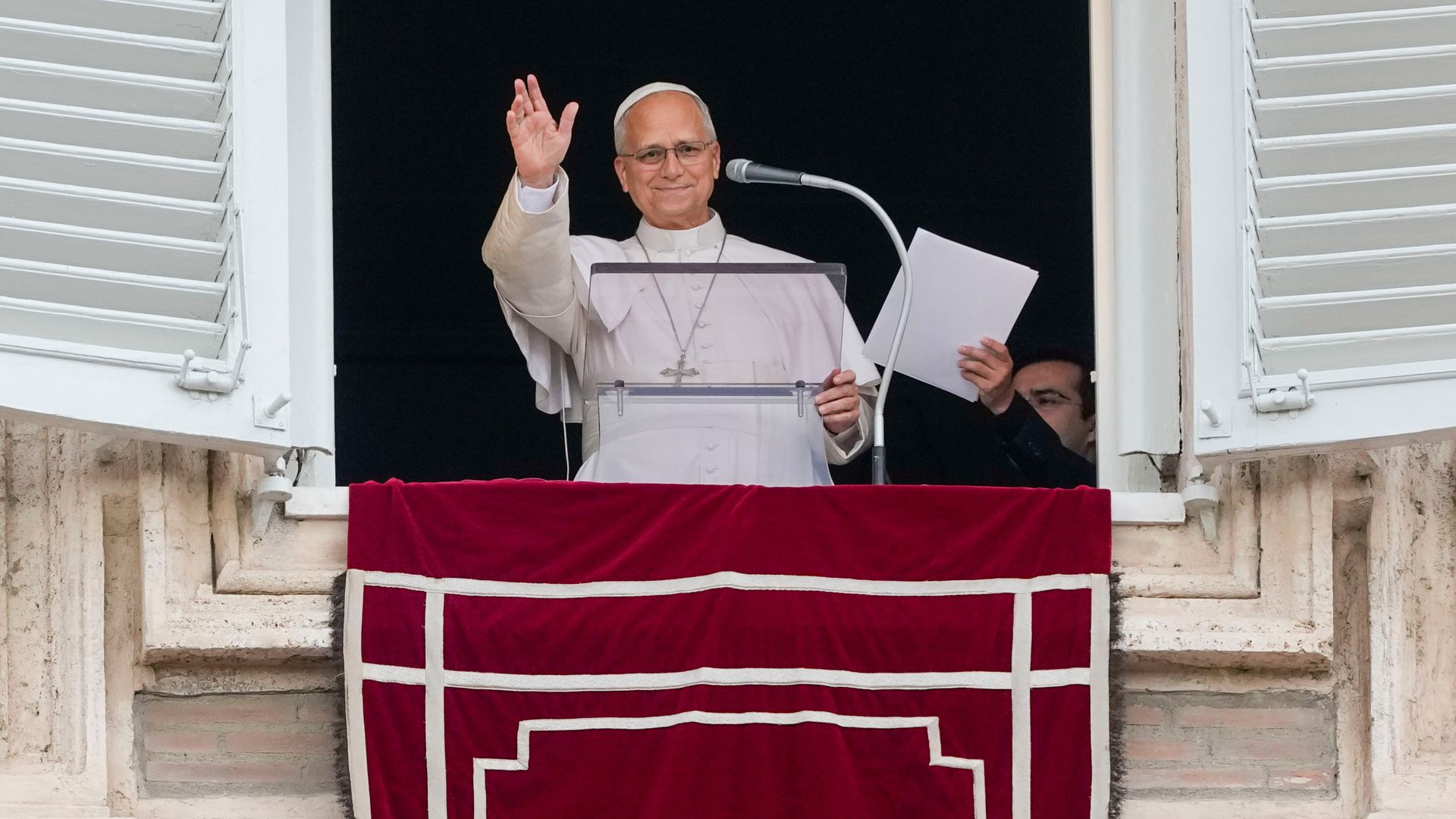
Five days after a lung cancer operation, Pope Leo XIV stood at an Apostolic Palace window and led the Sunday Angelus prayer before thousands in St. Peter's Square. That public appearance came less than 24 hours after he walked out of Rome's Gemelli Hospital. Honestly, watching a 71-year-old pontiff bounce back that fast from chest surgery makes people wonder how modern thoracic medicine works—and whether Vatican optics are pushing him too hard.
Here's the short answer for anyone wondering what happened and why it matters. On October 13, 2026, surgeons at Gemelli Hospital removed the lower lobe of Leo's right lung using minimally invasive video-assisted surgery after biopsy results confirmed lung adenocarcinoma. Doctors discharged him on Saturday, October 17, ahead of the roughly week-long stay initially floated, and he appeared for the Angelus on Sunday, October 18. He thanked the faithful for their prayers, said the illness made him feel closer to anyone living with infirmity, and promised a gradual return to duties.
Why His Rapid Return After Cancer Surgery Surprises So Many People
If you picture lung cancer surgery as a grueling open-chest ordeal with months of bed rest, Leo's timeline looks almost unreal. Traditional thoracotomy splits or spreads ribs wide, leaving patients in serious pain and tied to hospital drains for days. Video-assisted thoracoscopic surgery changes that math completely. Through small incisions guided by a camera, surgeons can remove a lobe—a lobectomy—with less muscle trauma and faster early mobility.
Dr. Stefano Margaritora, the lead surgeon on the case alongside Vatican physician Dr. Luigi Carbone, noted that the 90-minute procedure went smoothly and that Leo's early recovery tracked as expected. Even so, "fit for discharge" on day four doesn't mean "fully healed". Lung tissue takes weeks to settle internally, deep breaths can still ache, and fatigue has a sneaky habit of hitting once the hospital adrenaline wears off.
I've watched plenty of older patients and public figures treat early discharge like a green light to run at full speed. Big mistake. Walking out of Gemelli Hospital and waving from a window takes a fraction of the stamina required by long travel days, packed audiences, or high-stress decisions. A brief window wave isn't a marathon.
How a Chance Discovery Turned Into a Lobectomy
One detail from Leo's medical update deserves way more attention than the headline grabbers gave it. Margaritora pointed out that the pontiff's lung cancer wasn't caught through routine screening. Doctors spotted the nodule during exams done for other reasons—a classic incidental finding.
That happens all the time in clinical medicine. Someone gets a scan or workup for an unrelated issue, and a small spot shows up on a lung. Lung adenocarcinoma is the most common form of lung cancer, and catching a localized nodule early gives surgeons a real shot at removing the affected tissue cleanly. At the same time, surgery alone doesn't answer every question right away. Pathology and staging tests have to check lymph nodes and margins to see if any further treatment is needed.
Let's be real about transparency here, too. Public figures rarely share every detail of their medical charts, and news reports noted that full prognosis details weren't immediately public after his release. When details are incomplete, speculation fills the void—sometimes overly grim, sometimes overly rosy. Sticking to confirmed facts keeps expectations grounded without downplaying a serious diagnosis.
Papal Optics Versus Real Recovery in the Vatican
Every pope carries a heavy symbolic burden, and Leo XIV is no exception. Following in the footsteps of predecessors who spent stretches at Gemelli—most famously John Paul II, who helped prompt a dedicated papal suite there—means every hospital exit is watched under a microscope. Stepping out for the Angelus a day after discharge sends a clear message: the papacy is steady, the voice is present, and the Church isn't leaderless.
There's a tension there, though. Leaders often feel pressure to look strong right away so markets, institutions, or believers don't panic. Yet pushing too hard early on can backfire with setbacks, infections, or sheer exhaustion. Leo's pledge to ease back into his schedule gradually was the right instinct, even if a 12-day South America swing to Uruguay, Argentina, and Peru in November tested his stamina weeks later.
- Pace your milestones: Treat going home or attending one short event as step one, not the finish line.
- Ask direct questions after pathology: If you or a loved one faces lung nodule surgery, ask the care team about staging, lymph node sampling, and whether follow-up oncology care is needed.
- Protect your energy buffer: Schedule rest before you feel wiped out, especially during the first four to six weeks after thoracic surgery.
- Verify health updates through primary sources: Rely on official medical briefings and established outlets like The Guardian or CBS News rather than rumor mills.
If you're following this story because someone in your own life just had chest or cancer surgery, take the timeline with a grain of salt. Every body heals at its own pace, and a quick camera-ready appearance rarely tells the whole story of recovery.


