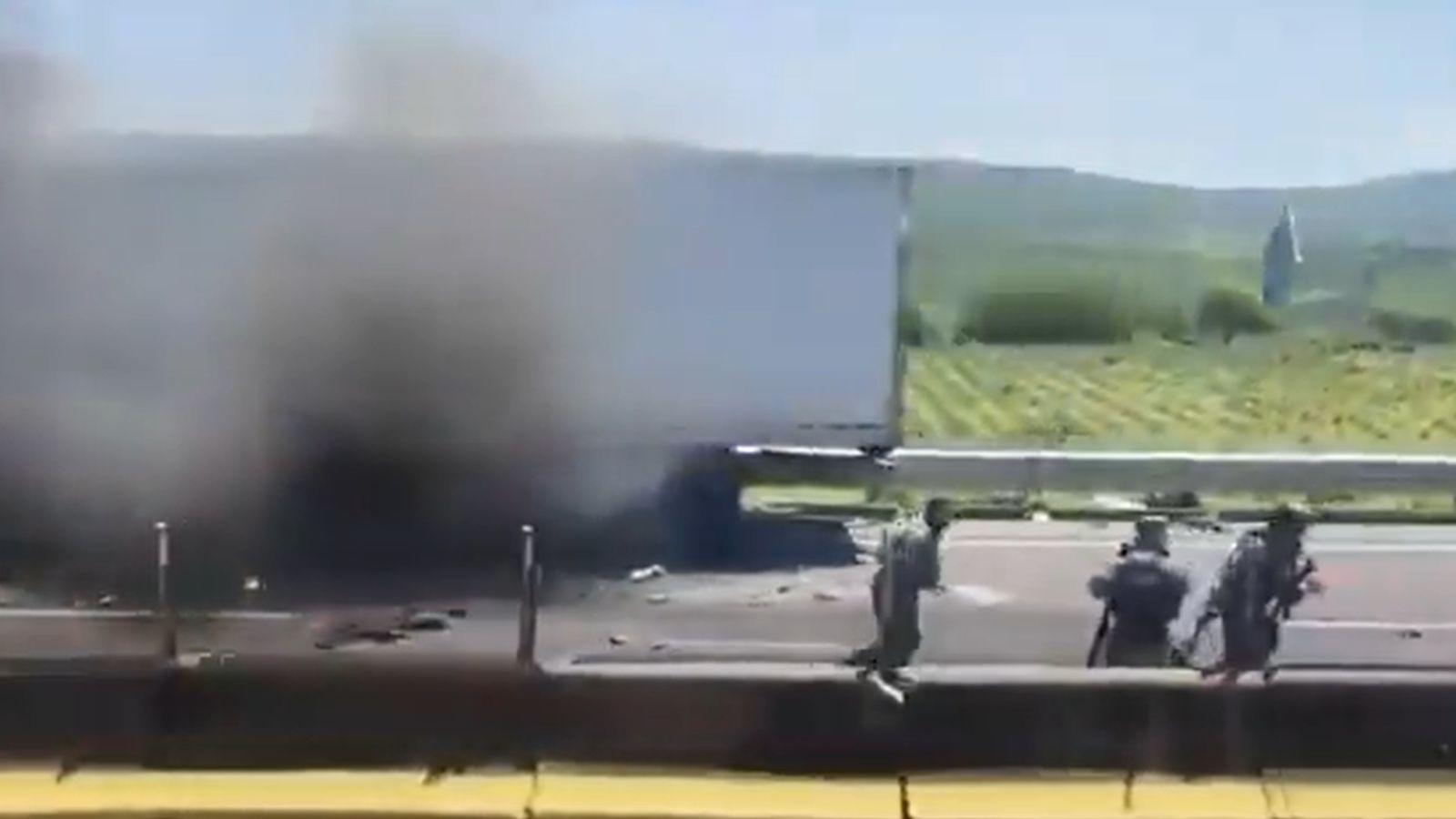
A devastating Mexico highway accident recently left nine people dead and ten others injured, including four American citizens. The crash serves as a stark reminder of the realities facing drivers on Mexican roads. When news like this breaks, the immediate reaction usually oscillates between panic and total dismissal. Neither response helps you stay safe.
Understanding road safety across the border requires looking past the sensational headlines. You need to know the actual risks, the legal obligations, and how to navigate emergency situations effectively. Learn more on a connected issue: this related article.
The Reality of Driving on Mexican Federal Highways
Mexican federal highways connect major cities and tourist destinations. Many of these routes are well-maintained toll roads, known locally as cuotas. Others are free roads, or libres, which vary wildly in quality.
Statistical data from the Mexican Association of Insurance Institutions highlights a consistent trend. Human error, unexpected road hazards, and mechanical failures remain the primary drivers of severe transit incidents. When an accident occurs on a high-speed artery, the lack of immediate emergency infrastructure in remote areas frequently compounds the severity of the outcome. Further journalism by AFAR highlights comparable perspectives on the subject.
Staying safe means adjusting your driving habits immediately after crossing the border. Speed limits are lower than you think. Enforcement is unpredictable. Potholes can appear out of nowhere, and livestock frequently wanders onto unfenced roadways.
What Happens Right After a Major Road Incident
If you find yourself involved in a collision in Mexico, the legal process differs significantly from the system in the United States or Canada. Mexico operates under a civil law system. In serious accidents involving injuries or fatalities, authorities routinely detain all drivers involved until fault can be legally determined.
This detention is standard procedure, not an automatic declaration of guilt. The police must secure the scene, gather statements, and wait for forensic investigators to assess the physical evidence.
Immediate Legal Steps You Must Take
- Stay at the scene: Leaving the scene of an accident involving injuries is a serious criminal offense.
- Contact your insurance provider: Do this immediately before speaking at length with authorities.
- Do not admit fault: Let the insurance adjusters and legal representatives handle the determination of liability.
The Critical Role of Mexican Auto Insurance
Your domestic auto insurance policy holds zero weight in Mexico. It doesn't matter if your provider claims you have coverage within a certain distance of the border. The Mexican legal system demands proof of financial responsibility issued by a licensed Mexican insurance company.
Without a valid Mexican policy, you risk immediate arrest and detention if you cause an accident. The policy pays for your legal defense and handles the mandatory bail bonds required to secure your release during an active investigation.
Types of Coverage to Consider
A basic liability policy satisfies the bare minimum legal requirement. It won't protect your vehicle or cover your personal medical bills. Opting for comprehensive coverage that includes legal assistance, medical expenses for occupants, and roadside assistance provides the necessary shield against catastrophic financial losses.
Navigating Emergency Services and Consular Assistance
Securing medical help on remote Mexican highways presents unique challenges. The national emergency number is 911, matching the system used in the United States. However, dispatchers in rural areas may not speak fluent English.
The Green Angels, or Angeles Verdes, operate a fleet of green and white support vehicles across major federal highways. They offer free mechanical assistance, basic medical aid, and bilingual support. You can reach them by dialing 078 from any functioning phone.
What the Embassy Can and Cannot Do
When foreign nationals face injury or detention, the relevant embassy steps in to provide consular services. For the American citizens injured in the recent crash, the U.S. Embassy assists by monitoring their medical care, notifying family members, and providing a list of local attorneys.
Consular officers cannot act as legal counsel. They cannot pay your medical bills, nor can they demand your immediate release from legal custody if you face charges related to a traffic violation.
Practical Steps for Safer Road Travel
Mitigating risks on Mexican highways requires thorough preparation and active defensive driving. Planning routes explicitly around daytime hours significantly lowers the probability of encountering unlit hazards, major potholes, or unexpected roadblocks.
Verify the mechanical integrity of your vehicle before departure. Check tire pressure, brake fluid levels, and cooling systems. Carry a physical map alongside your digital navigation apps, as cellular signals drop completely in mountainous regions.
Secure the contact numbers for your insurance provider, the Green Angels, and the nearest consular office before starting the engine. Keep these documents easily accessible, not buried deep inside your luggage. Safe travel relies entirely on proactive planning and a clear understanding of local regulations.