The headlines tell you that Lebanon is on fire because regional diplomacy failed. They have it backward. The reality is far more calculated. The current escalation in Lebanon didn't happen because talks broke down; the escalation was intentionally used to break the talks.
Right now, a shaky, Pakistani-mediated ceasefire between Washington and Tehran is hanging by a thread. This week, Iranian Foreign Minister Abbas Araghchi abruptly suspended peace talks designed to end the devastating blockade of the Strait of Hormuz and handle Iran's nuclear program. Tehran's reason was direct: Israel's expanding ground offensive and intense airstrikes in southern Lebanon violated the core terms of the April 8 truce. For a different look, consider: this related article.
But if you look closely at the friction between Israeli Prime Minister Benjamin Netanyahu and US President Donald Trump, a deeper strategy emerges. Israel isn't just fighting Hezbollah in the south. It is actively working to dismantle any chance of a diplomatic reset between the United States and Iran.
The Strategic Wedge Driving the Crisis
To understand why southern Lebanon is being leveled, you have to look at what was happening behind closed doors in Washington and Tehran. Similar insight on this matter has been shared by Reuters.
Negotiators were on the verge of finalizing a 14-point memorandum of understanding. The deal would secure a 60-day extension of the April ceasefire, clear a path to reopen the vital Strait of Hormuz shipping lanes, and establish a framework to address Iran's highly enriched uranium stockpiles. For Iran, an economic lifeline is desperately needed. The country is buckling under an annual inflation rate of 53.9% and widespread internal unrest.
Israel, however, sees this diplomacy as an existential threat. A US-Iran deal means normalization. It means stabilization for Tehran. Most importantly, it means giving the Iranian regime a chance to rebuild after the joint US-Israeli airstrikes in late February that targeted Iranian nuclear facilities and led to the death of Supreme Leader Ali Khamenei.
Netanyahu's cabinet has zero interest in letting Iran breathe. By aggressively deepening its military incursion past the Litani River and pushing deep into Lebanese territory, Israel forced Iran's hand.
Iran claims the April ceasefire explicitly covered all regional fronts, including Lebanon. Israel loudly rejects this, asserting that its war against Hezbollah is completely separate. By striking targets in Lebanon and forcing mass evacuations in cities like Nabatieh, Israel created a scenario where Tehran had to either abandon its primary proxy or suspend negotiations with Trump. Tehran chose to walk away from the table. The wedge worked perfectly.
Why the White House and Tel Aviv Are Clashing
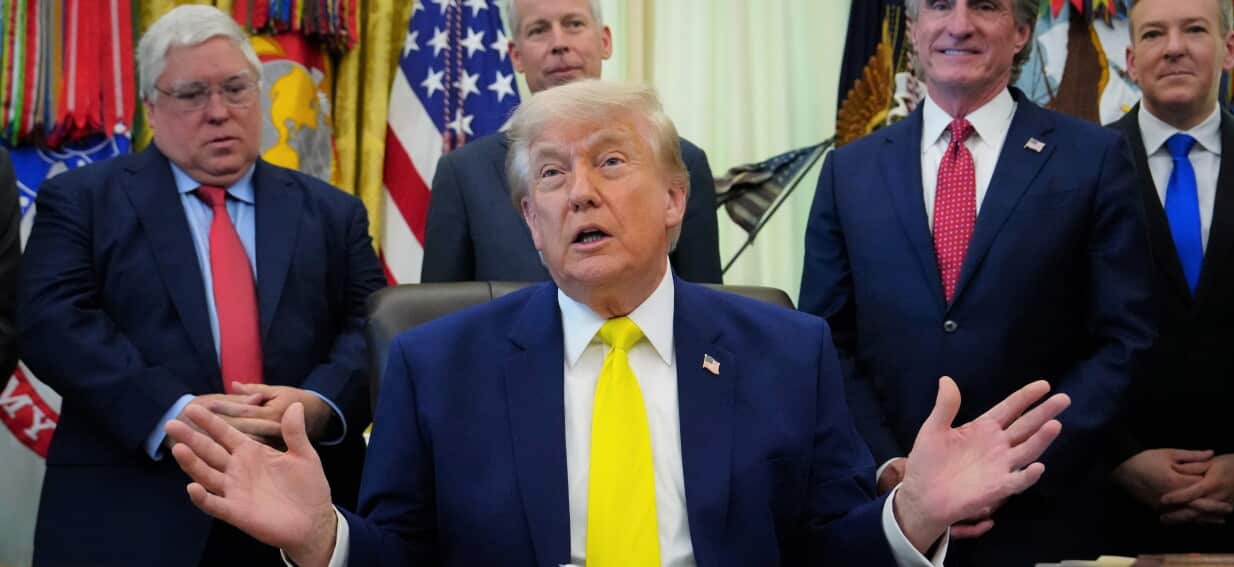
The public narrative usually frames the US and Israel as a single, unified machine. That's not the case right now. The friction between Trump and Netanyahu over the past week has been incredibly sharp.
Trump wants a deal. He wants the Strait of Hormuz open to stabilize global oil markets, and he wants to claim credit for a massive foreign policy victory without getting bogged down in another long Middle Eastern war. This desire for a quick resolution explains why the White House recently pressured Israel to hold off on a massive, devastating bombing campaign targeting central Beirut and the Dahiyeh district.
Look at how the events played out on Monday. Iran threatened to target military assets across the region if Israel bombed Beirut. Trump immediately got on a heated phone call with Netanyahu, demanding the operation be called off to save the delicate maritime negotiations. Israel backed down on Beirut, but Netanyahu immediately pivoted. He issued a public statement directly contradicting Trump's claims of a comprehensive regional peace, stating clearly that the IDF will continue to operate exactly as planned in southern Lebanon.
This exposes the fundamental disconnect:
- The US Goal: Use military leverage to force a limited Iranian surrender on the nuclear file, open global trade routes, and exit the conflict.
- The Israeli Goal: Keep the pressure maxed out, systematically destroy Hezbollah's infrastructure, and prevent the US from giving Iran any form of sanctions relief or diplomatic legitimacy.
The Reality on the Ground in Lebanon
While Washington and Tehran treat Lebanon like a regional bargaining chip, the reality on the ground is a brutal war of attrition.
The idea that Hezbollah is a completely spent force after months of conflict is a myth. While the Lebanese government has tried to restrict the group's military footprint, Hezbollah has adjusted its tactics. They are heavily using new-generation fiber-optic drones and targeted rocket barrages to strike IDF vehicles and troop clusters near the Deir Siryan River and Rshaf.
At the same time, Israel has established a strict, expanding "security zone" in the south. Entire villages inside the yellow line are being systematically demolished to create a permanent buffer zone. This ensures that even if a diplomatic truce is patched back together in the coming days, hundreds of thousands of displaced Lebanese civilians have nothing to return to.
What Happens Next
Diplomats in Tel Aviv report that the Israeli Cabinet has formally granted the military complete "operational freedom of action" in Lebanon. This means more border incursions and a continued push to decapitate Hezbollah's remaining leadership, even if it risks another furious phone call from the White House.
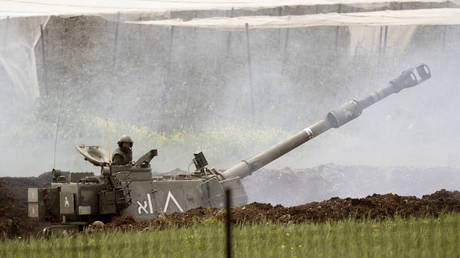
The corporate media will keep telling you to watch the negotiating rooms in Islamabad or the statements coming out of Washington. Don't waste your time. If you want to know where the region is heading, watch the flashpoints in southern Lebanon. As long as those artillery batteries stay active, any piece of paper signed by the US and Iran isn't worth the ink.
If you are tracking global market stability or regional security, stop looking for a sudden, clean peace deal. The immediate path forward requires watching whether Israel breaks its fragile promise to stay out of Beirut, and whether Iran decides to back up its threats by launching deeper retaliatory strikes into northern Israel. The battlefield is dictating the diplomacy, not the other way around.