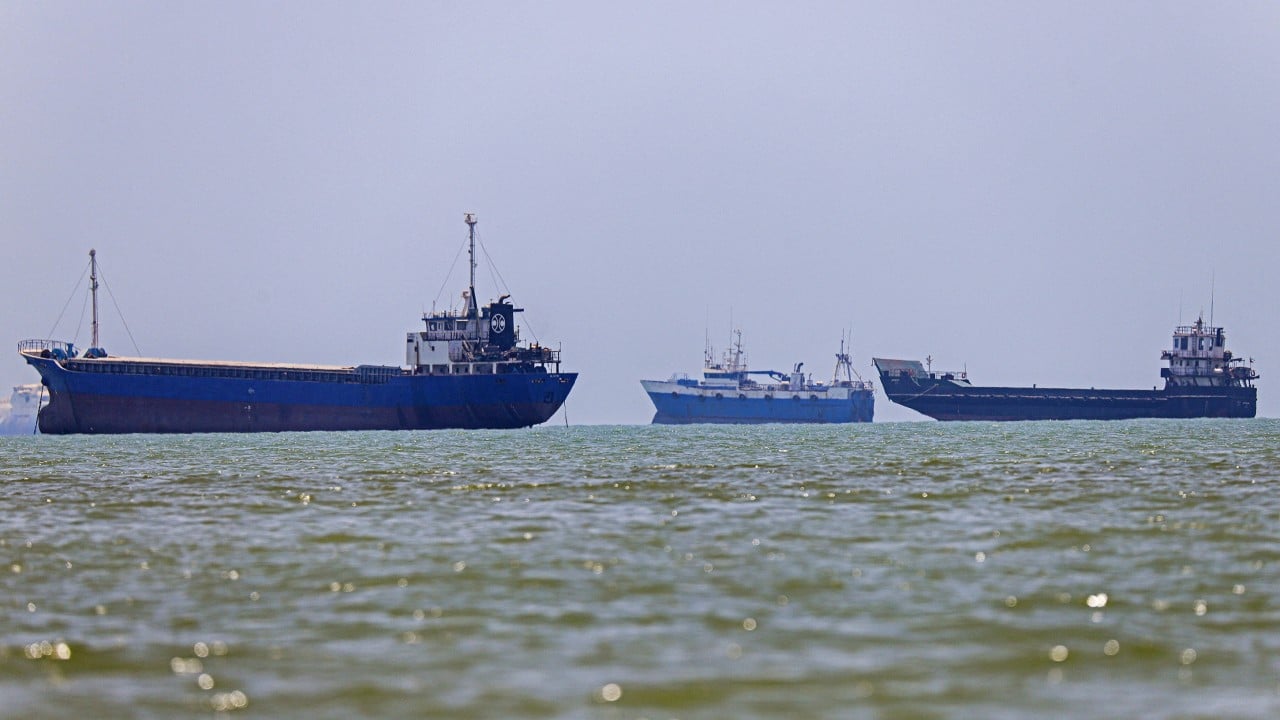
Don't celebrate the reopening of the world's most critical energy chokepoint just yet. When Iran announced it would waive maritime transit fees in the Strait of Hormuz for the next 60 days, global markets breathed a collective sigh of relief. Brent crude ticked downward. Ship owners started rerouting fleets. But if you look past the initial headlines, this fee waiver isn't a gesture of goodwill or a simple return to normal commerce. It's a calculated opening move in a high-stakes diplomatic chess match that could permanently alter the economics of international shipping.
The deal comes on the heels of the newly signed Islamabad Memorandum of Understanding between Washington and Tehran. The United States officially lifted its maritime blockade, allowing tankers to move through the channel after months of costly stagnation. In response, Iran's Supreme National Security Council directed the Persian Gulf Strait Authority to fast-track transit permits and pause its controversial plan to charge commercial vessels for passage.
Here is the problem. The waiver is temporary, but the framework Iran is building during these 60 days is meant to be permanent. For decades, international maritime law guaranteed free transit through these waters. By setting up a system where fees are temporarily "waived" rather than fundamentally rejected, Tehran is quietly establishing a precedent that it owns the right to charge you later.
The Sixty Day Illusion
The headline sounds great for shipping companies that have been bleeding cash for months. No fees for 60 days. The Iranian government even promised to cover the internal costs of safety, security, and environmental monitoring during this interim period.
It is a classic bait-and-switch strategy. Look at what happens when the 60-day clock runs out. Iranian chief negotiator Mohammad Bagher Ghalibaf made it clear that future navigation through the strait will come with a permanent price tag. Tehran argues that the conflict left the waterway cluttered with safety hazards, requiring active, expensive management that commercial shipping must fund.
Accepting the fee waiver right now means you implicitly accept Iran's authority to regulate the strait as a toll road later. That completely upends the traditional understanding of the 1982 United Nations Convention on the Law of the Sea. Under normal transit passage rules, foreign ships enjoy the right of unimpeded navigation through straits used for international shipping. Iran never ratified UNCLOS, and now they're exploiting that legal loophole to build a commercial regulatory framework under the guise of post-war recovery.
The United States entered this agreement wanting a total restoration of free navigation. Instead, the interim deal gives Iran a two-month window to normalize its bureaucratic control over the waterway. Every time a ship submits a formal application to the Persian Gulf Strait Authority to take advantage of the free window, it feeds a regulatory apparatus that won't disappear when the peace talks end.
The Technical Catch You Cannot Ignore
If you think you can just sail through the strait tomorrow without any friction, you're mistaken. The Persian Gulf Strait Authority just dropped a strict operational notice. Any vessel intending to use the channel must submit a formal transit request at least 48 hours before arrival.
That ruins the flexibility of spot-market shipping. You can't just buy a cargo and send a ship on a dime anymore. You have to wait for an official green light from Tehran.
The administrative burden is paired with tight physical restrictions. The Iranian authorities aren't letting ships choose their own paths. You have to stick to narrow, designated transit corridors and precise, allocated time slots. The official excuse is safety. The war left legacy naval mines and unexploded ordnance scattered across the Gulf, meaning deviation from the approved paths could lead to disaster.
The security risk is real, but the operational slowdown is equally real. Forcing ships into rigid schedules creates natural bottlenecks. It gives Iranian authorities the power to slow down or speed up traffic at will, simply by adjusting how fast they process paperwork.
Data from maritime tracking firm AXSMarine shows that 25 verified commercial vessels crossed the reopened strait on Thursday. That's a massive jump from the dismal average of seven crossings a day we saw earlier this month, but it's still a fraction of the 120 ships that passed through daily before the conflict.
The real story isn't the 25 ships that made it through. It's the massive Automatic Identification System disruption that accompanied the surge. Over 200 commercial vessels in the Persian Gulf experienced severe signal spoofing or abnormal behavior simultaneously. Navigating a narrow, mine-affected corridor while your GPS coordinates are being actively spoofed is a nightmare for any captain. The fee might be zero, but the operational risk remains sky-high.
Regional Backlash and the Post War Power Grab
The diplomatic fallout in the Gulf is already boiling over. Iran's neighbors aren't buying the narrative that this arrangement is about safety or environmental protection. They see it as a blatant attempt to monetize a global commons.
Saudi Arabian Foreign Minister Prince Faisal bin Farhan Al Saud didn't hold back his criticism. He pointed out that the strait worked perfectly fine before the conflict without any centralized Iranian management. There were no safety crises, no environmental emergencies, and no justification for introducing a novel toll system now.
The Gulf states are terrified of what happens if Iran successfully implements this model. If Tehran can charge a premium for transit under the flag of "security management," they gain a permanent tax on the global energy trade. One-fifth of the world's liquefied natural gas and petroleum passes through this single body of water. A minor transit fee translates to billions of dollars flowing directly into Tehran's treasury.
This financial leverage is exactly what Iran needs. The war devastated their domestic economy. Their economic minister, Seyed Ali Madanizadeh, admitted that lifting the US oil blockade won't fix their deep budget deficits overnight. Production can't just ramp up to pre-war maximums in a week. To rebuild, Iran is looking to secure a $350 billion regional reconstruction fund, which was a core condition of the Islamabad agreement. By holding the Strait of Hormuz hostage behind a future fee system, they're forcing their wealthy neighbors to consider footing the bill for that reconstruction.
The United Arab Emirates is taking a hard line too. Having faced extensive infrastructure attacks during the conflict, the UAE is doubling down on its defense ties with Israel rather than relying on the shaky promises of the US-Iran MoU. The region is splitting into two clear camps: those trying to force a return to the old status quo, and Iran, which is using the 60-day window to lock in its wartime gains.
How to Position Your Fleet for the Next Two Months
If you're managing a logistics firm, trading commodities, or operating commercial vessels, you can't afford to sit on the sidelines and watch the diplomats talk in the Swiss Alps. You need to adapt your operations to this 60-day window immediately before conditions change.
First, adjust your charter-party agreements to account for the mandatory 48-hour pre-notice. Standard contracts that penalize ship owners for delays need to be rewritten to factor in the Persian Gulf Strait Authority's approval timelines. If you don't account for administrative friction in your laytime calculations, you're going to get hit with massive demurrage fees.
Second, don't skimp on war-risk insurance. Just because the planned transit fees are waived doesn't mean the water is safe. The combination of active minefields and widespread AIS spoofing means hull and machinery underwriters are still charging hefty premiums for regional transits. Factor these insurance costs into your freight rates rather than assuming a free transit means a cheap transit.
Third, prepare an alternative routing strategy around the Cape of Good Hope. The 60-day negotiation period is fragile. President Donald Trump has already warned on social media that the US will resume strikes if Iran deviates from the pact, while Iranian leadership says their talks are bound by strict red lines. A single diplomatic breakdown at the Bürgenstock resort could trigger an immediate reinstatement of the maritime blockade.
Keep your supply chains flexible. The fee waiver is a tactical pause, not a permanent peace. Use the current window to move high-value fixtures out of the Gulf, but don't base your long-term 2026 financial projections on the assumption that the Strait of Hormuz will remain free or easy to pass.


