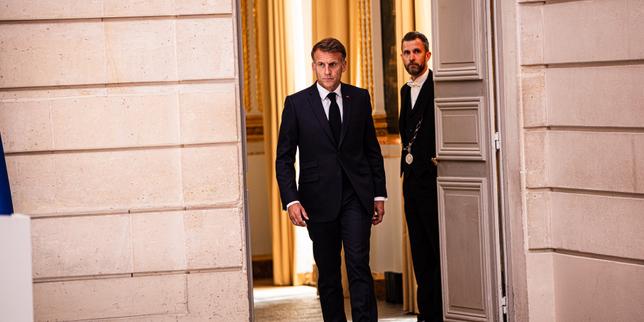
The lazy consensus across the commentariat runs on a predictable script. Twelve months after Paris flirted with the unilateral recognition of a Palestinian state, the consensus verdict from foreign policy pundits claims the French initiative has lost its panache. Critics moan that French diplomacy turned into a hollow gesture, a performance of moral vanity devoid of teeth, abandoned by its own architects as geopolitical realities bit back.
That diagnosis gets the story precisely backwards. Discover more on a similar issue: this related article.
French diplomacy did not fail because it lacked panache or because Paris lost its nerve. It failed because the entire premise of European diplomatic paternalism in the Levant is obsolete. For decades, Western chancelleries operated under the comforting delusion that a strongly worded communique from the Quai d Orsay could alter facts carved into concrete on the ground. When Paris floated recognition, it tried to revive an expired currency. The real scandal is not that the initiative lost momentum. The scandal is that anyone expected a piece of diplomatic theater to override a security architecture built on raw power, demographic facts, and strategic inertia.
I have spent years watching diplomats negotiate in windowless rooms in Geneva and New York, drafting resolutions designed to age like unpasteurized milk. The diplomats comfort themselves with process because process postpones the terrifying moment when they must admit that their leverage evaporated years ago. Further journalism by Al Jazeera delves into similar perspectives on this issue.
Let us dispense with the polite fiction that symbolic recognition ever carried heavy strategic weight. Statehood is not a participation trophy handed out by the UN General Assembly to reward good behavior or punish recalcitrance. It is a function of territorial control, monopoly on violence, and recognized borders. Handing out recognition while two million people live under a blockade and the West Bank resembles a fragmented archipelago of Swiss cheese does not build a state. It creates a bureaucratic ghost.
The critics of French foreign policy mourn the loss of French exceptionalism in the Middle East. They pine for the days of Gaullist balancing acts, when Paris could play the honest broker between Arab capitals and Jerusalem. That role died the moment the European Union outsourced its security policy to Washington and its economic survival to internal crises. Paris can no more dictate terms to Tel Aviv or Ramallah than a municipal council in Lyon can set monetary policy for the Eurozone.
Pretending otherwise serves a domestic political function in France rather than a foreign policy one. It allows various factions to posture on moral high ground while dodging the gritty, unpleasant work of economic and security realignment. When a state builds its foreign policy on branding rather than leverage, the brand depreciates the moment it hits reality.
Consider the alternative scenario that foreign policy traditionalists refuse to model. Imagine a French diplomacy that stopped pretending it could broker a two-state solution using twentieth-century toolkits. What if Paris had used its diplomatic capital not to manufacture a symbolic breakthrough, but to dismantle the economic life support systems that keep the status quo running? That would require real political courage. It would mean telling domestic constituencies hard truths about trade, intelligence-sharing, and the limits of European influence. Instead, French officialdom chose the path of least resistance: a splashy announcement followed by a slow, predictable retreat into irrelevance, blaming lack of panache for an inherent structural failure.
The common questions asked by analysts miss the mark entirely. They ask whether France will revive the initiative or if Paris can regain its diplomatic footing. Those questions assume the game is still worth playing. It is not. The rules of engagement in the region shifted from diplomacy to deterrence long ago, and European capitals missed the memo because they were too busy reading their own press releases.
Realpolitik does not care about your historical footprint or your literary presidential statements. It cares about who controls the water, the electricity grid, the borders, and the guns. Until European foreign ministries internalize that brutal mechanical reality, every initiative they launch will end the same way: a flurry of headlines, a brief diplomatic tremor, and a return to the status quo.
Stop mourning the loss of French diplomatic panache. It was never a strategy. It was an anesthetic.


