Counterterrorism doesn't fail in Pakistan because soldiers lack bravery or intelligence officers lack grit. It fails because the people running the country can't stop fighting each other long enough to hold a line.
When political feuds collide with counterterrorism efforts, Pakistan slides toward deeper instability fast. You see it in stalled security operations, fractured trust between Islamabad and provincial capitals, and militant groups that treat political gridlock like an open invitation. Honestly, if you've followed South Asian security for years, you know this pattern isn't new—yet watching it play out again still stings.
Security policy in Pakistan has never lived in a clean vacuum separated from party politics, civil-military friction, or street protests. When ruling coalitions, opposition movements, and security institutions pull in opposite directions, militants exploit the seams. Let's look at why political infighting keeps derailing counterterrorism, what happens on the ground when unity breaks down, and what actually has to change for security gains to stick.
How Political Feuds Undermine Counterterrorism Efforts
Counterterrorism sounds simple on paper. Track the cells, cut off financing, coordinate police and military raids, and fix local governance so recruits run out of grievances.
In practice, it takes relentless coordination between federal ministries, provincial police, intelligence agencies, and the military. A political feud wrecks that machinery before a single shot is fired.
When governments spend their energy surviving no-confidence threats, managing court battles, or cracking down on mass protests, security meetings turn into crisis management. Key officials get rotated out for political loyalty rather than operational track records. Budgets get argued over in bitter public rows instead of flowing smoothly to frontline districts.
There's also a credibility problem. Counterterrorism only works when ordinary citizens trust the state enough to share tips and reject extremist narratives. When politics turns every institution—from courts to police—into a partisan weapon, public trust evaporates. Even legitimate security warnings get dismissed as political theater by supporters of the rival camp.
Why Provincial Tensions Hit Security First
Militant violence in Pakistan hits hardest in border and peripheral areas, especially in Khyber Pakhtunkhwa and Balochistan. Governing those places already demands patience, local knowledge, and steady funding.
When the federal government and a provincial administration are locked in a political tug-of-war, coordination slows to a crawl. Police chiefs get reshuffled, counterterrorism departments lose continuity, and joint operations stall over who gets credit or control. Militants don't care about constitutional arguments in Islamabad. They move through valleys, highways, and porous border stretches while politicians trade blame on television.
What Happens When Security Policy Becomes Partisan
One of the biggest mistakes analysts and politicians make is treating counterterrorism as a technical checklist. You can buy drones, build border fences, and pass tough laws, and still lose ground if political division hollows out consensus.
Look at what happens when security becomes partisan:
- Mixed signals at home and abroad. If leaders can't agree on whether to negotiate, conduct kinetic operations, or press neighboring authorities over cross-border sanctuaries, nobody knows what Pakistan's actual strategy is.
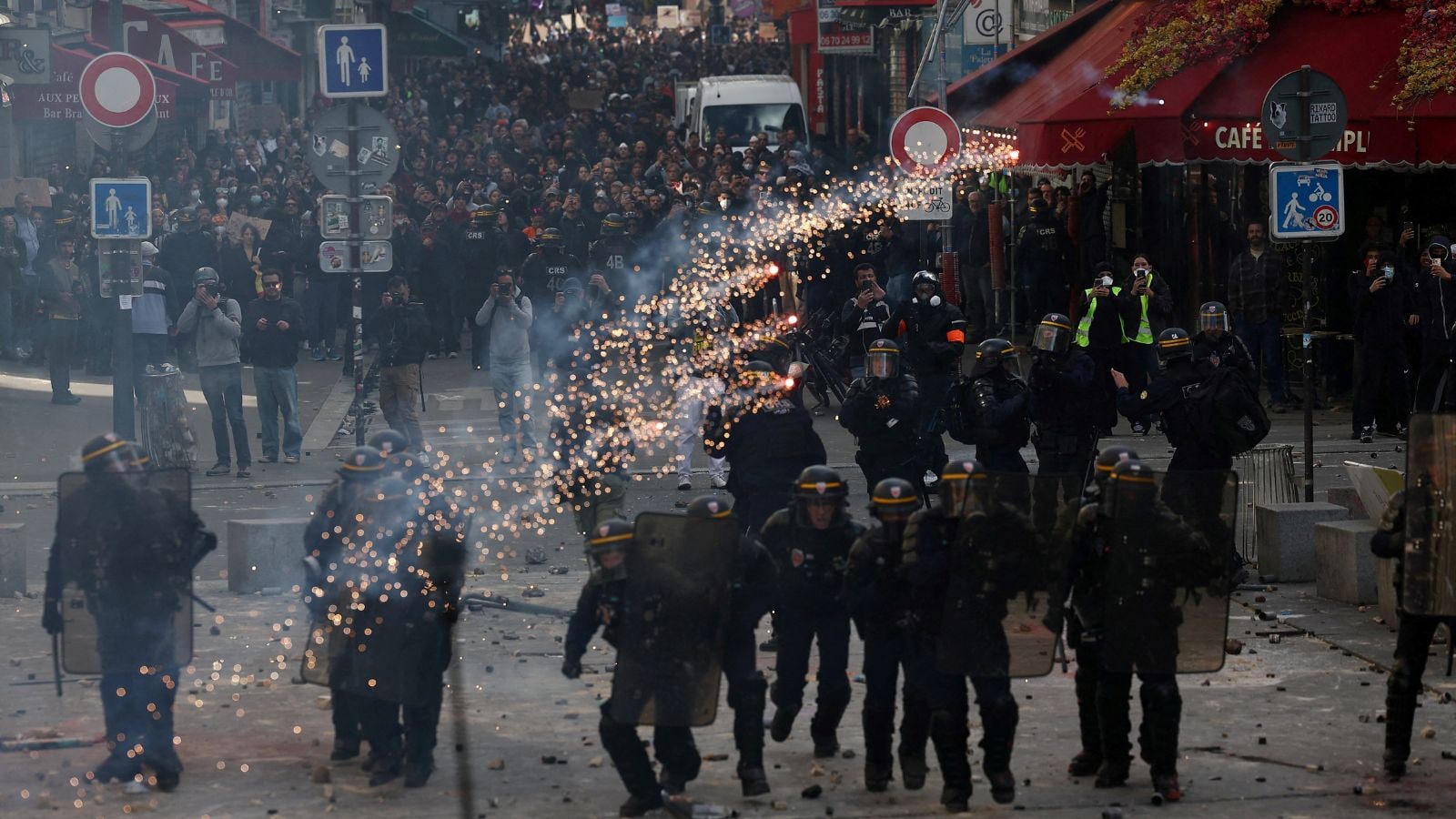
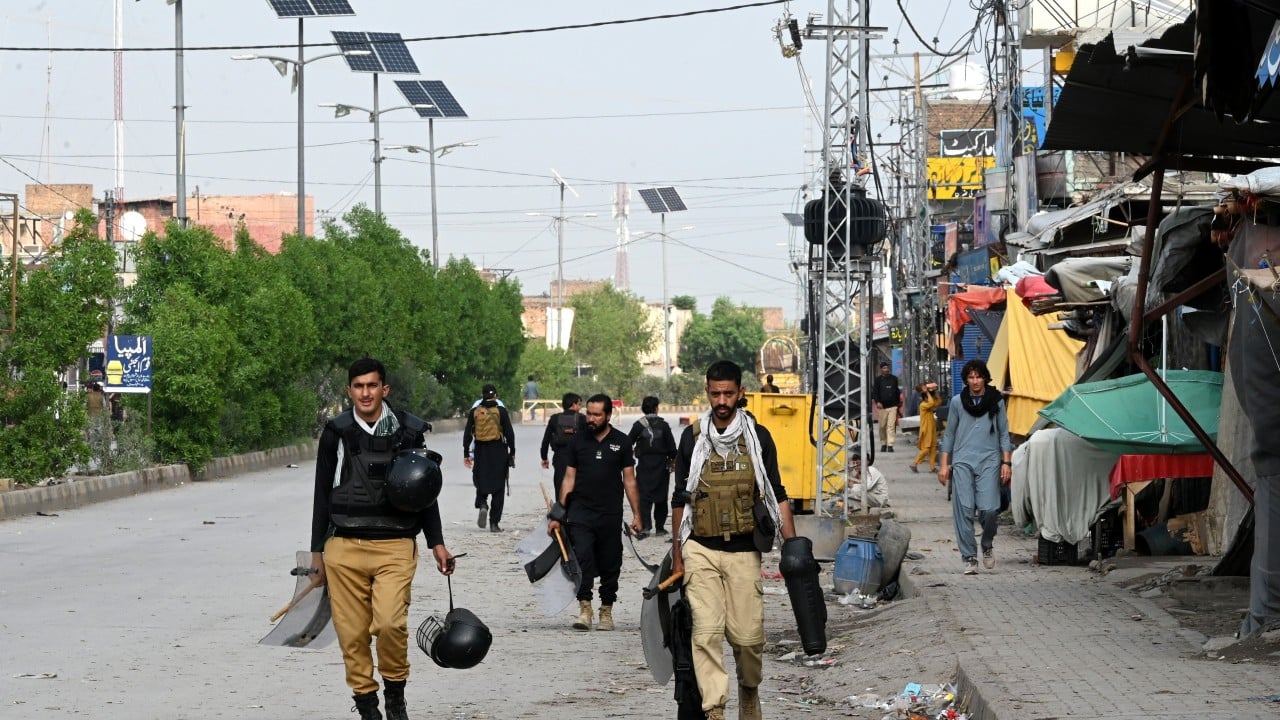
- Diverted security forces. Police and paramilitary units pulled away to manage political marches, sit-ins, and highway blockades aren't patrolling high-risk districts or protecting vulnerable infrastructure.
- Weaponized narratives. Extremist groups—such as Tehrik-i-Taliban Pakistan (TTP) and separatist insurgents in Balochistan—watch political polarization closely. When the state looks divided or distracted, militant propaganda paints the government as weak, illegitimate, or purely self-serving.
- Economic drag. Political instability scares off long-term investors and strains public finances, leaving less fiscal room for schools, jobs, and local policing in restive regions.
Think about that last point for a second. Counterterrorism isn't just raids and checkpoints. If young men in an underinvested district have no steady work and see political elites bickering in capitals far away, recruiters have a much easier pitch.
The Myth That Tough Crackdowns Alone Fix Instability
Here's a hard truth that plenty of people in power still resist. Heavy-handed security measures without political stability and local legitimacy only buy time—and sometimes make the next flare-up worse.
I've seen plenty of debates where commentators argue that Pakistan just needs "one more decisive operation" and everything will settle down. That sounds neat. It rarely works that way in the real world.
Military and law-enforcement operations can disrupt networks, degrade command structures, and clear hotspots. Researchers at institutions like the International Crisis Group and the United States Institute of Peace have long pointed out that durable stabilization in Pakistan requires political consensus, civilian institution-building, and addressing root grievances alongside security enforcement.
When political feuds keep the country off balance, two things go missing at once. First, civilian institutions don't get the breathing room to reform policing, prosecution, and local governance. Second, there's no broad political ownership of hard choices—meaning the next government often disowns or reverses what the previous one started.
That whiplash is brutal. Security policy needs multi-year consistency, not a reset every time the political wind shifts.
What Real Progress Looks Like on the Ground
If you want to know whether Pakistan is turning a corner on instability, don't just watch press conferences in Islamabad. Look at unglamorous, everyday indicators.
Are provincial counterterrorism departments led by experienced professionals who stay in post long enough to build intelligence networks? Are local police getting proper training, equipment, and protection rather than being left as the softest target? Are cross-border diplomatic and security channels functioning steadily instead of lurching between grandstanding and freeze-outs?
Real progress also shows up in how political leaders talk about national security. You don't have to agree on tax policy, media rules, or election grievances to keep counterterrorism out of the gutter of daily partisan score-settling. Even rivals in fiercely competitive democracies manage to draw a line where state survival and citizen safety sit.
When leaders cross that line—treating every security setback as ammo against an opponent, or every political protest as a reason to militarize routine governance—everyone pays the price.
Practical Ways to Read and Track the Situation
If you're following Pakistan's political and security news—whether as a researcher, business analyst, investor, or engaged reader—you can avoid a lot of noise by taking a few concrete steps.
- Separate political noise from operational shifts. Pay attention to actual changes in command, budget allocations, border closures, or sustained militant attacks rather than heated rhetoric alone.
- Watch provincial developments closely. Events in Khyber Pakhtunkhwa and Balochistan often signal security trends earlier than headlines focused purely on federal cabinet drama.
- Cross-check multiple credible sources. Pair local Pakistani journalism with independent conflict trackers and policy briefs from groups like the South Asia Terrorism Portal or international research bodies so you don't get stuck in a single partisan echo chamber.
- Track economic and governance indicators. Watch inflation, local development spending, and rule-of-law reforms alongside security incidents—instability grows fastest where economic pain and weak governance overlap.
Political feuds don't automatically doom a country, and Pakistan has weathered severe storms before. Still, until political leaders treat counterterrorism and national stability as shared responsibilities rather than bargaining chips, the risk of deeper instability will keep hanging right over the next headline.