Don't let the headlines about high-stakes diplomacy fool you into thinking this is just another dry meeting of suits in a hotel lobby. As we sit here on April 20, 2026, Islamabad's "Red Zone" is locked down tight for a reason. Concrete barriers are up, the Serena Hotel has cleared its guest list, and the world's most unlikely mediator is trying to stop a global meltdown. Pakistan is currently the only place on earth where the Trump administration and the Iranian leadership are willing to sit in the same room—even if they're currently screaming at each other through backchannels.
If you're wondering why this matters to you, look at the price of oil. It's hovering near $93 a barrel because the Strait of Hormuz is essentially a parking lot. A two-week ceasefire is about to expire tomorrow, and if these talks in Islamabad don't happen, or if they fail, that ceasefire isn't the only thing that's going to blow up.
The Islamabad Squeeze
Pakistan finds itself in a bizarrely unique position. It's a nuclear-armed nation with a massive Shia population, giving it cultural and religious street cred with Tehran. At the same time, its military has spent decades in a complicated, "it's complicated" relationship with the Pentagon. While traditional mediators like Qatar have been sidelined or targeted in this latest flare-up, Islamabad has emerged as the last standing bridge.
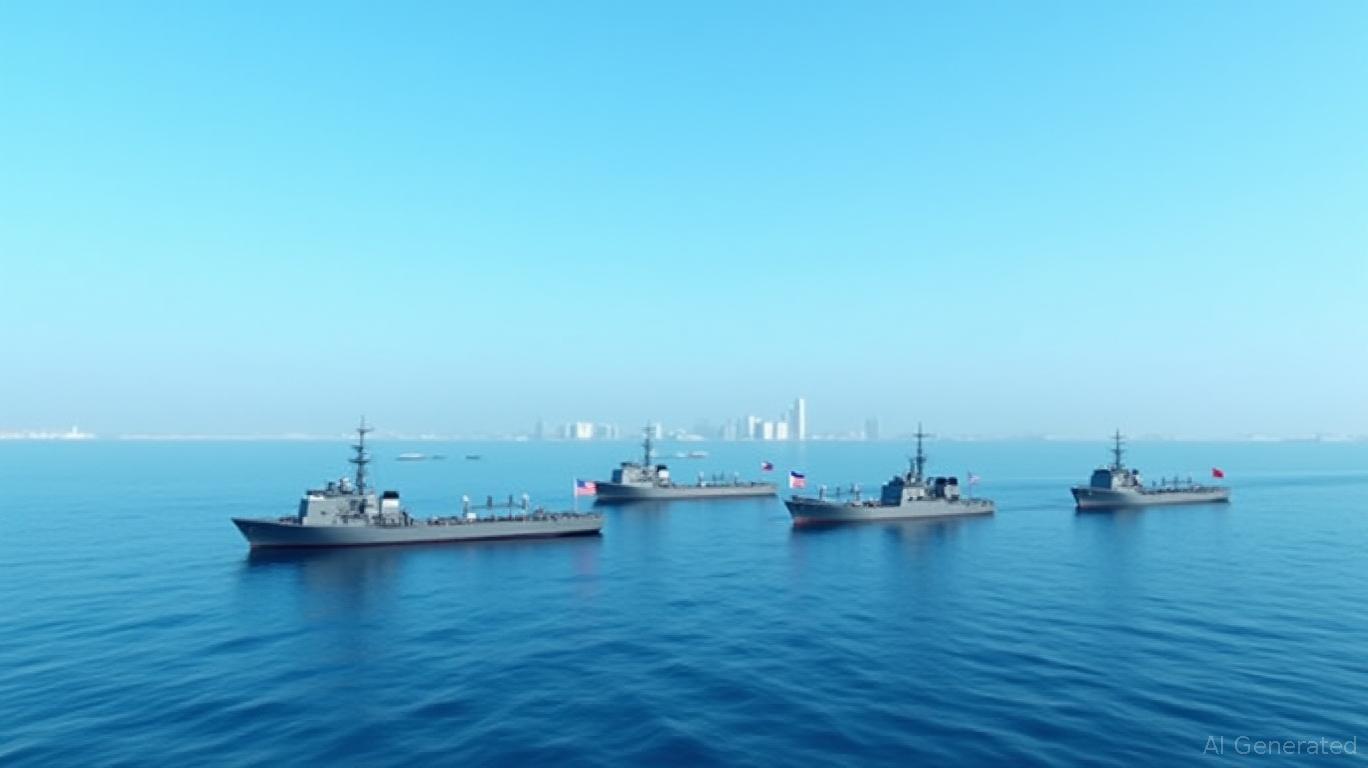
But the bridge is shaking. Over the weekend, the US Navy boarded an Iranian-flagged cargo ship in the Gulf of Oman. It was the first actual seizure in the US blockade of the Strait of Hormuz, and Tehran is understandably fuming. Iranian Deputy Foreign Minister Saeed Khatibzadeh has already called the timing of this second round "contradictory and vague."
I've watched these diplomatic dances for years, and this one is different. Usually, you have months of "talks about talks." Right now, we're seeing shuttle diplomacy at warp speed. Army Chief General Asim Munir has been flying between capitals like a frantic travel agent, trying to keep both sides from walking away.
Who is actually at the table?
If this second round kicks off as planned on Tuesday, the guest list tells you everything you need to know about how serious—and how personal—this has become for Donald Trump. We aren't just talking about low-level career diplomats.
- JD Vance: The Vice President led the first round on April 11 and is expected back.
- Jared Kushner: His presence signals that this isn't just about a ceasefire; it’s about a broader regional "deal" that Trump is obsessed with closing.
- Steve Witkoff: Trump’s envoy is in the mix, likely handling the transactional side of the tension.
On the Iranian side, things are more opaque. Last time, we saw Mohammad Bagher Ghalibaf and Foreign Minister Abbas Araghchi. This time? Iran hasn't officially confirmed they’re showing up. They’re playing hard to get, likely using the ship seizure as leverage to see what the US will blink on first. Prime Minister Shehbaz Sharif spent 45 minutes on the phone with Iranian President Masoud Pezeshkian on Sunday trying to smooth things over, but 45 minutes is a long time for a "friendly" chat. It's more likely they were haggling over the fine print of a framework agreement.
Why Pakistan?
You might ask why the US doesn't just use Switzerland or Oman. Honestly, those places don't have the "teeth" that Pakistan does. General Asim Munir reportedly spoke with Trump’s office 12 times since the first round of talks ended. That’s not just passing notes; that’s active management.
Pakistan needs this to work. A full-scale war next door would be a nightmare for an economy that’s already on life support. They’re pitching themselves as the "mineral partner" to the US and a security guarantor to Iran. It’s a dangerous game of 4D chess where one wrong move means the whole board gets flipped.
The Hormuz Deadlock
The real sticking point isn't just "peace." It's the technicalities that sound boring until they affect your gas bill.
- The Blockade: The US wants the Strait of Hormuz open and under international monitoring.
- The Uranium: Trump is demanding Iran ship its enriched uranium out of the country. Iran’s response? A flat "no."
- The Ceasefire: It expires Tuesday. Without a deal in Islamabad, the missiles start flying again by Wednesday morning.
There's a lot of talk about a "framework agreement," which is basically diplomatic speak for "we agree not to kill each other while we figure out the big stuff." But with the US seizing ships and Iran threatening to shut the world's most important waterway, "not killing each other" is a tall order.
What happens if you're watching this from the outside?
If you're an investor or just someone worried about the regional stability, watch the flight paths into Nur Khan Airbase. On Monday morning, a US Air Force C-32 touched down. That's a "maybe" turning into a "probably."
If the talks proceed, expect a volatile few days. There won't be a grand peace treaty signed on a lawn. Instead, look for a "technical extension" of the ceasefire. That's the win. If they leave Islamabad without that extension, start worrying.
What to watch for next:
- Check if the Iranian delegation actually lands in Islamabad by tonight. No plane, no deal.
- Watch for any "unscheduled" military movements in the Gulf of Oman. If a second ship is seized, the Islamabad talks are dead on arrival.
- Monitor the price of Brent Crude. If it dips, the market thinks Pakistan has pulled off the impossible. If it spikes past $95, the market knows something we don't.
The next 24 hours in Islamabad will determine if the Middle East heads toward a managed truce or a multi-front war that nobody is actually prepared to win.