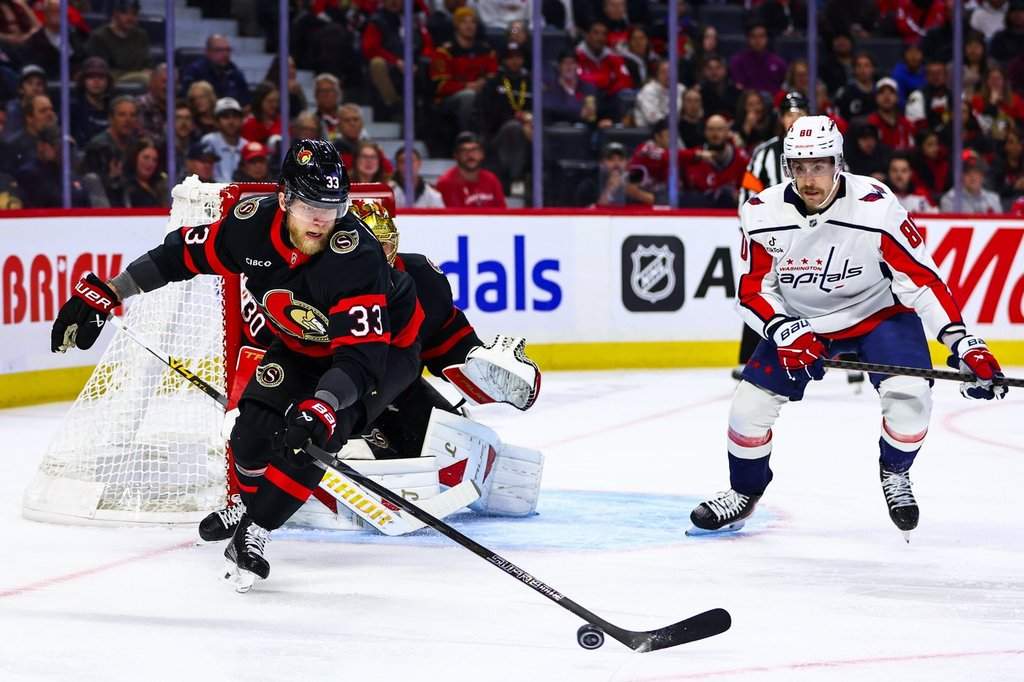
Hockey fans hate moral victories. You hear a player say "we liked our game" after dropping two points in overtime, and the immediate reaction on sports radio or social media is pure frustration. People want standings points, not silver linings.
Yet when the Ottawa Senators walk away from an overtime loss feeling good about their structure, puck management, and five-on-five play, they aren't making excuses. They're looking at the underlying metrics that actually predict long-term success in the NHL.
The Difference Between Process and Results in the NHL
Hockey is a uniquely chaotic sport. A puck bounces off a shin pad, a skate blade catches a rut in the ice, or a hot goaltender steals a game despite facing forty shots. Over an 82-game regular season, single-game outcomes lie to you all the time.
If a team plays sloppy, gives up odd-man rushes, and relies on miracle saves to win 3-2, the coaching staff knows trouble is coming. The reverse is also true. When the Senators control territorial play, limit high-danger scoring chances against, and still lose in the three-on-three lottery of overtime, the process remains sound.
Three-on-three overtime barely resembles real hockey anyway. It's a track meet built for entertainment, where one missed pass or a single lost faceoff leads directly to a breakaway the other way. Judging a team's overall health by what happens in a five-minute, open-ice gimmick is bad analysis.
What "Liking Your Game" Actually Means on the Ice
When players and coaches use that phrase, they're usually pointing to three specific areas of execution that translate to winning hockey over months, not just nights.
- Neutral zone posture. Preventing opponents from entering the offensive zone with speed forces them to dump the puck in, which lets defensemen retrieve it cleanly and start the breakout.
- Forecheck pressure. Getting two forwards in on the opposing defense quickly disrupts their outlet passes and keeps the puck hemmed in the offensive zone.
- Slot protection. Keeping shots to the outside perimeter rather than letting shooters get clean looks from between the faceoff dots.
If Ottawa checks all three boxes for sixty minutes and secures a single point on the road or against a playoff contender, that's a repeatable formula. You can't coach puck luck. You can coach spacing and gap control.
Why Fans Struggle With the Moral Victory Narrative
Context matters. If a perennial basement team loses fifty games a year and keeps repeating that they "liked their effort," fans have every right to roll their eyes. At a certain point, effort is the bare minimum, and execution has to turn into wins.
For a franchise trying to shed years of rebuilding habits and establish a consistent identity, however, process-driven evaluation is mandatory. Young rosters often fall into the trap of cheating for offense when things get tight. They leave the defensive zone early, stretch the ice, and trade chances.
When Ottawa resists that urge, sticks to a disciplined structure, and forces a game past regulation, it shows maturity. Taking a point out of a tightly contested match is how teams survive the grind of the Atlantic Division, where every single point separates playoff contenders from lottery teams by April.
The Standings Math Behind Overtime Points
People dismiss the "loser point" until they look at the final wild-card standings at the end of the regular season. Year after year, teams make or miss the Stanley Cup Playoffs by two or three points.
Going 0-1-10 in tight games nets you ten points. Going 0-11-0 nets you zero. Those single points earned by surviving regulation aren't consolation prizes—they are currency. Teams that consistently play structured, low-event third periods give themselves a massive mathematical cushion over clubs that collapse late in regulation and walk away empty-handed.
If you watch the Senators closely during their better stretches, the difference isn't flashy highlight-reel plays. It's the boring stuff. Clearing the front of the net, winning board battles along the half-wall, and making simple chip plays off the glass when tired.
How to Watch for Real Progress Next Game
Ignore the final score for a second the next time Ottawa drops a tight one past regulation. Look at the shot attempt share at five-on-five. Watch how often the defensemen get caught pinching at the offensive blue line, and notice whether the center is supporting the puck low in the defensive zone.
If those habits hold up, the wins follow. Keep tracking their five-on-five goal differential and high-danger chances rather than riding the emotional rollercoaster of three-on-three overtime, and you'll have a much clearer picture of where this roster is actually headed.