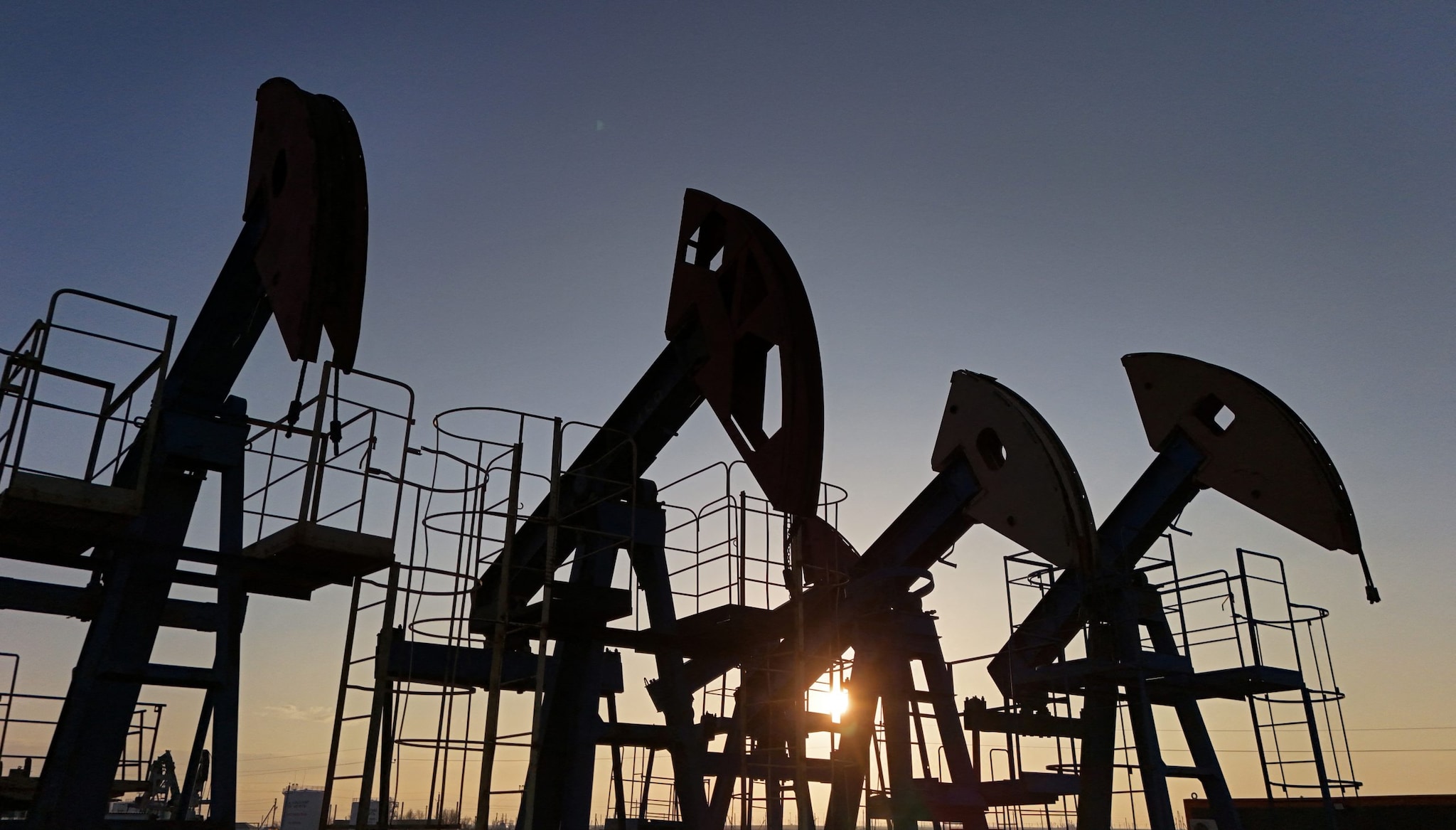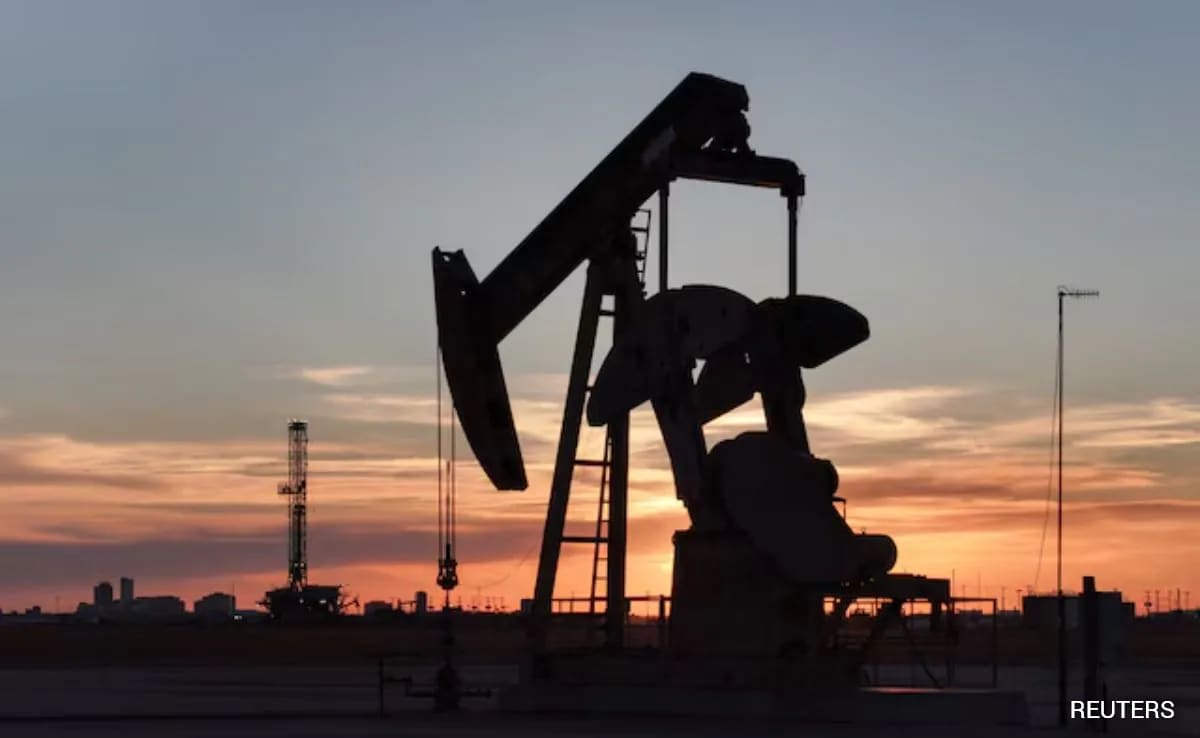
The recent OPEC+ decision to increase production quotas functions as a tactical buffer rather than a shift in long-term strategy. While the market focuses on the headline volume of additional barrels, the fundamental analytical gap lies in the structural silence regarding the United Arab Emirates (UAE) and its long-standing friction with the group’s baseline methodology. The alliance is operating under a "cohesion at any cost" framework, prioritizing short-term price stability over the resolution of internal capacity disputes. This creates a hidden volatility premium: the risk is no longer just about global demand sinks, but about the mechanical integrity of the OPEC+ agreement itself.
The Triad of Production Mechanics
To understand the implications of the quota hike, one must deconstruct the decision into three operational pillars. These pillars dictate the actual flow of oil, regardless of the official communiqué’s optimism.
- The Baseline Discrepancy: Quotas are calculated against a historical baseline. The UAE has invested billions in expanding its maximum sustainable capacity (MSC), currently estimated near 4.5 million barrels per day (mb/d). When OPEC+ sets quotas based on outdated 2021 or early 2022 baselines, it forces the UAE to maintain a higher percentage of idle capacity compared to peers like Russia or smaller African members who are struggling to even meet their existing lower targets.
- The Compliance Illusion: Increasing a quota for a country already producing below its limit is a paper exercise. Several members suffer from "under-production atrophy" due to lack of investment, technical decay, or civil unrest. By raising the aggregate quota, OPEC+ effectively masks the fact that only a few members—primarily Saudi Arabia, the UAE, and Kuwait—possess the actual physical valves to increase flow.
- The Inventory-to-Price Correlation: The group’s primary function is the management of global visible inventories. The decision to hike production suggests that internal models anticipate a tightening of the Brent-WTI spread or a significant drawdown in OECD commercial stocks that could trigger a price spike, potentially destroying demand in emerging markets.
The UAE Silent Multiplier
The absence of the UAE "exit" or "re-negotiation" narrative in the official statement is not an omission; it is a strategic suppression. The UAE’s energy strategy, driven by ADNOC, is fundamentally different from the Saudi "Price First" model. The UAE operates on a "Volume and Transition" model. They seek to monetize their reserves rapidly to fund a multi-decade pivot toward hydrogen and renewables.
The tension arises from the Opportunity Cost of Idle Capacity. If the UAE is forced to keep 1 mb/d offline to support a price floor that benefits less efficient producers, they are essentially subsidizing the fiscal break-even points of their competitors. The analytical community often mistakes this for a threat to leave the organization. In reality, it is a leverage play. By not mentioning the UAE's specific grievances, the alliance is kicking the "Baseline Revision" can down the road, likely until the ministerial meeting in late 2024.
The Mathematical Failure of Aggregate Quotas
Standard market analysis treats OPEC+ as a monolith. A sophisticated strategy consultant must instead view it as a collection of individual cost functions.
- The Saudi Fiscal Break-even: Saudi Arabia requires prices near $80-$85 to fund "Vision 2030" projects.
- The Russian War-Risk Discount: Russia’s realized price is often decoupled from Brent due to sanctions and shadow fleet costs. Their "production" is a political variable as much as an economic one.
- The African Investment Gap: For members like Nigeria and Angola (pre-exit), quotas are irrelevant because their physical infrastructure cannot sustain even mid-tier output.
This creates a Bifurcated Production Reality. When the group announces a "hike," the actual impact on global supply is usually 60-70% of the stated figure because the laggards cannot contribute their share of the increase. This leads to a persistent tightening of the market even when the "data" suggests an easing.
Geopolitical Friction and the US Factor
The production hike serves as a diplomatic signal to Washington and Beijing. High energy costs act as a regressive tax on the global economy, and OPEC+ is wary of being blamed for "sticky" inflation that forces central banks to keep interest rates elevated. Higher rates strengthen the USD, which paradoxically makes oil more expensive for non-dollar economies, further suppressing demand.
The strategy here is Preventative Easing. By releasing barrels now, OPEC+ attempts to head off a more aggressive release from the US Strategic Petroleum Reserve (SPR) or a faster shift toward alternative energy sources in the EU.
Structural Vulnerabilities in the Long-Term Agreement
The logical flaw in the current OPEC+ trajectory is the assumption that members will indefinitely prioritize group cohesion over national solvency.
The Defection Incentive: As the UAE's spare capacity grows, the incentive to defect from the quota system increases exponentially. If the UAE produces at 100% capacity, the resulting price drop would need to be massive—greater than 25%—for them to see a net loss in revenue. For other members with no spare capacity, any price drop is a direct revenue hit. This asymmetry is the "fault line" beneath the current agreement.
The lack of mention regarding a UAE "pull-out" indicates that a side-deal was likely reached involving future baseline adjustments or concessions on downstream investments. However, without a formal, transparent adjustment to the UAE's standing within the group, the market must price in a Breakup Probability Risk.
Operational Forecast for Q3 and Q4
The data indicates a tightening market despite the quota increases. The "Paper Barrels" (quotas) will rise faster than the "Wet Barrels" (physical oil).
The strategic play for energy-intensive industries and institutional investors is to ignore the aggregate OPEC+ headline and monitor three specific indicators:
- ADNOC’s Rig Count: A continued rise in UAE drilling activity despite stagnant quotas signals an imminent unilateral move or a forced baseline renegotiation.
- The Brent-Dubai Spread: This will reveal whether the additional barrels—which are primarily medium-sour crudes—are actually reaching the Asian refiners they are intended for.
- The Compliance Gap Velocity: If the gap between "Allowed Production" and "Actual Production" widens, it confirms that the OPEC+ hike is a psychological tool rather than a physical supply event.
The alliance has secured a temporary truce. The structural reality remains: the UAE is a 4.5 mb/d power trapped in a 3 mb/d cage. Until the bars of that cage are moved, the production quotas are merely a volatility dampener with a finite shelf life. The next major market move will not come from a scheduled meeting, but from the inevitable friction when the UAE's capacity expansion meets its fiscal necessity to produce.