Paper.
That is all it is, technically speaking. A square of gummed cellulose less than two inches wide, printed with ink and adhesive, designed to carry a letter from a mailbox on Elm Street to a porch in another zip code. When the United States Postal Service releases a postage stamp featuring Diwali, a wire-service brief might read like a grocery receipt: denomination, issuance date, designer name, printing press run.
Yet I have watched people hold that tiny square of paper with trembling hands, as if it weighed ten pounds of brass.
I know the quiet ache of feeling like a guest in a house where you pay rent, mow the lawn, and know where the extra fuses are kept. Growing up in an immigrant household, you learn early how to read the room. You learn which holidays get a nod on the wall calendar and which ones require a three-sentence explanation before anyone even reaches the part about sweets or lamps. You don't demand applause for existing. Still, there is a particular kind of fatigue in constantly translating your own warmth into terms someone else already understands.
To see a clay lamp—a diya—glowing against a deep crimson or twilight-blue background on a federal postage stamp does not magically solve every cultural blind spot in American life. Of course it doesn't. A stamp cannot pay rent, fix school district boundaries, or erase decades of being asked, "Where are you really from?" at checkout counters.
Still, something shifts when the state puts its official mark on something your grandmother lit on a windowsill.
The Weight of Small Things
Notice I just said "your grandmother." Let me pause and be clear: that is a metaphor for memory and lineage, not a claim about every reader's family tree. Plenty of people encounter Diwali first through a neighbor's marigold garland, a colleague's box of barfi in the breakroom, or a friend's invitation to step away from screens in late autumn.
For millions of South Asian Americans—and for Hindus, Jains, Sikhs, and others who celebrate aspects of the festival of lights—the USPS Diwali stamp carries a double charge. On one side sits tradition: the triumph of light over darkness, knowledge over ignorance, renewal over stagnation. On the other side sits recognition. For generations, immigrants and their children have sent money orders, wedding invitations, and holiday cards across oceans using stamps that rarely reflected their own story.
Consider what happens next: a letter sealed with a Diwali stamp travels through sorting machines in Memphis or Kearny, rides in the belly of a cargo plane, and lands on a doormat in a town where nobody has ever seen a rangoli chalk pattern. A mail carrier who has never set foot in a temple or gurdwara fingers the corner of the envelope.
That is a tiny collision of worlds. Multiply it by millions of envelopes, postcards, and birthday notes, and you start to see why a two-inch rectangle matters more than its face value.
To understand why official recognition hits so deeply, picture a neighborhood potluck where everyone brings a dish, yet only half the plates have labels. Everyone eats. Everyone smiles. Still, the labeled plates sit at the center of the table, while the unlabeled ones get passed around with a whisper and a guess. A postage stamp acts like one of those clear, steady labels—issued not by a single community shouting into the wind, but by a public institution woven into daily civic life since 1775.
Behind Every Press Run Is a Long Wait
Nothing about a celebratory stamp arrives overnight. Stamp programs run on multi-year planning cycles, citizen proposals, advisory committees, art direction, and production schedules that can stretch years into the future. Behind every crisp ink line is a stack of letters from ordinary citizens who believed a tradition belonged on the mail.
Think about the persistence that takes. You write once, and nothing happens. You write again two years later, and nothing happens. You explain to neighbors, local representatives, and stamp advocates why a festival celebrated by well over a billion people worldwide—and by a fast-growing, deeply rooted American population—deserves space alongside winter holidays, Lunar New Year, Hanukkah, and Kwanzaa.
Let me introduce a hypothetical character to ground this slow, stubborn work. Call her Meera, a high school history teacher in New Jersey whose students once asked her in October whether Diwali was "like Halloween with better food." She didn't get angry; she got tired. Not the sharp anger of a public argument, just the dull exhaustion of starting from square zero every single year. When a Diwali stamp first appeared in the USPS lineup years back—and as subsequent editions kept the tradition alive—Meera taped one to her classroom whiteboard. Not to lecture her students, just to show them that history is not locked inside a textbook. Sometimes it arrives stuck to a manila envelope.
Let's be honest about the doubts, too. Critics and cynics sometimes ask whether symbolic gestures distract from harder civic work, or whether a government stamp risks flattening diverse regional customs into a single neat image. Those questions are fair. Diwali means different things in Gujarat, Punjab, Bengal, and Nepal, and across diaspora communities in London, Toronto, Edison, and Houston. No single illustration can hold every nuance of a five-day celebration filled with lamps, lampshades of family gossip, prayers, cards, and fireworks.
I admit I feel that tension myself. Whenever a cultural practice enters mainstream view, there is always a risk that its edges get sanded down until only the prettiest picture remains. A glowing diya looks wonderful on paper, yet the real meaning of lighting a lamp often lives in quieter moments: apologizing for an old hurt, checking on an elderly aunt, or sitting in stillness after the noise dies down.
Why Ordinary Objects Carry Big Stakes
Why do human beings care so fiercely about symbols when there are real-world problems to fix?
Because humans are story-shaped creatures. We don't navigate daily life by spreadsheets alone; we navigate by cues of belonging. Psychologists and sociologists have long noted that small, repeated environmental signals tell people whether they are peripheral or central to a shared community. A flag on a pole, a holiday off on a municipal calendar, a postage stamp on a utility bill or holiday card—each one is a quiet vote on who counts as "us."
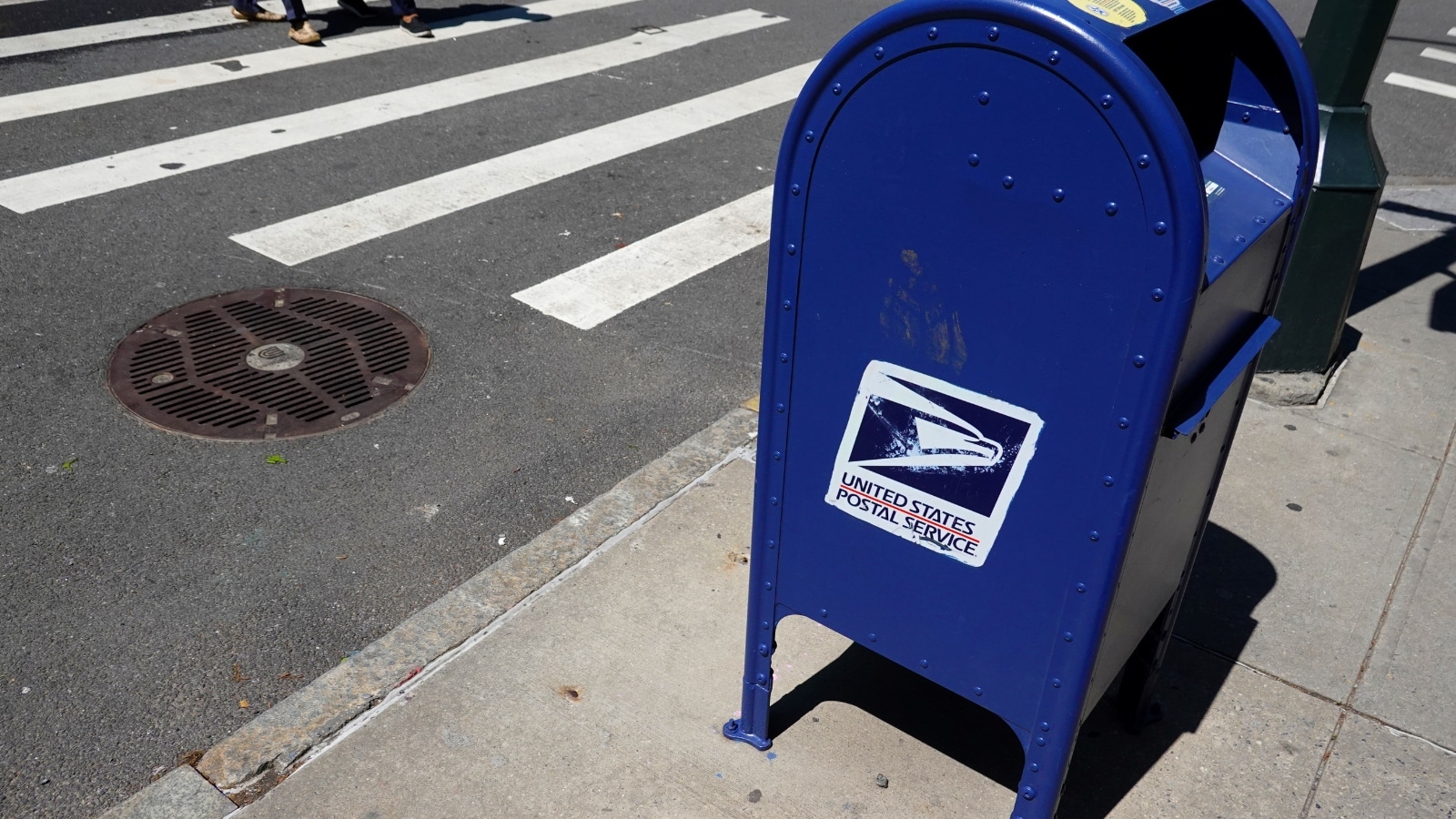
Look at how physical mail works in an era of instant messages. Texting is fast, cheap, and frictionless, yet it vanishes into glass. A stamped envelope requires intention. You have to buy the stamps, write an address by hand or print a label, walk to a blue box or hand it to a clerk, and accept that it will take days to arrive.
When someone puts a Diwali stamp on that envelope, they are sending two messages at once. The obvious one goes to the recipient: I thought of you during the festival of lights. The quieter one goes out into the public square: This light belongs here, too.
| Dimension | Standard Press Release View | Lived Human View |
|---|---|---|
| Core event | USPS issues a Diwali postage stamp | A familiar cultural flame enters everyday civic circulation |
| Primary metric | Denomination, issue date, print run | Moments of recognition, curiosity, and quiet pride |
| Emotional register | Administrative and informational | Hopeful, slightly tender, occasionally complicated |
| Lasting impact | Archival catalog entry | Conversations sparked over mail, classrooms, and kitchen tables |
Light Doesn't Need to Shout
There is a reason a single clay lamp sits at the heart of so many Diwali stories. A candle or oil lamp does not roar like a siren. It does not push darkness back with violence or noise. It simply burns, steady and warm, changing the geometry of whatever shadows were already there.
In a noisy, polarized public square, people often assume progress has to arrive with megaphones and headlines. Sometimes it arrives on a sheet of twenty Forever stamps tucked into a desk drawer next to paperclips and a spare house key.
Picture an evening in late autumn. Rain taps against a windowpane. Inside, a small flame flickers on a ceramic dish, casting a golden ring across a wooden table while an envelope—bearing a glowing lamp in miniature—waits to be mailed to someone miles away. No fanfare. No cameras. Just paper, ink, wax or glue, and a piece of light on its way through the dark.


