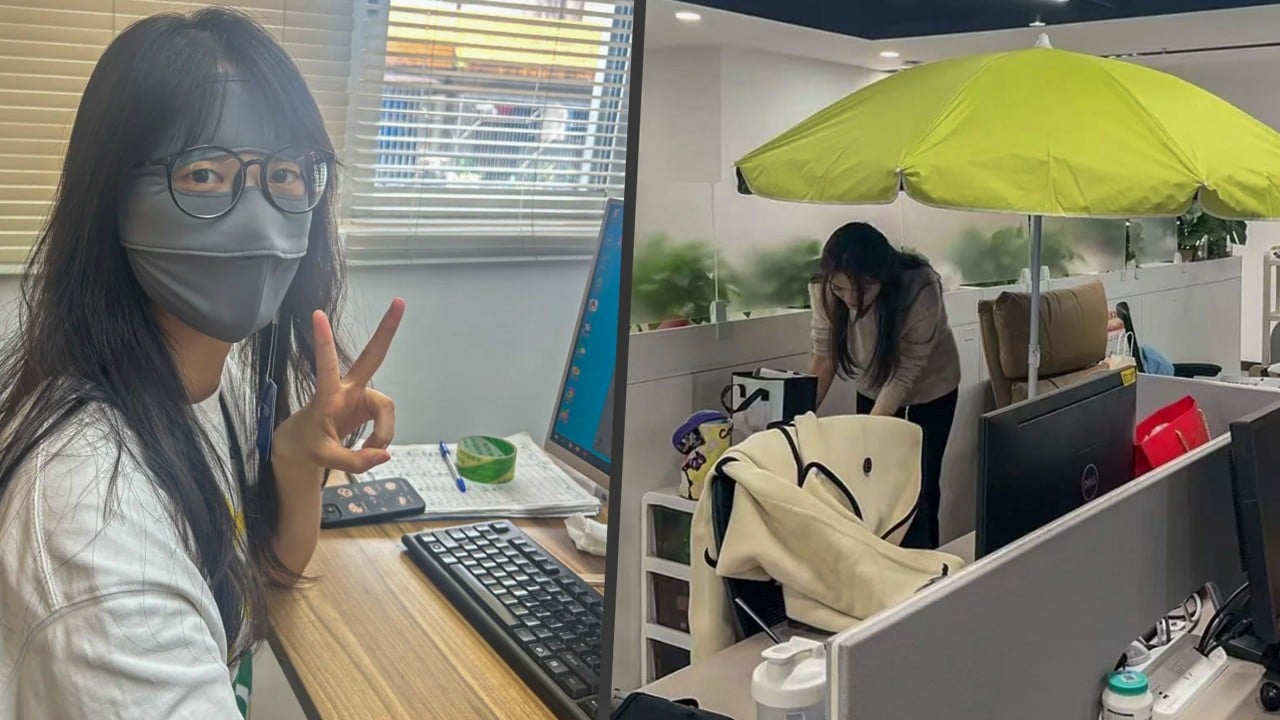
You walk into a modern corporate tower, expecting safety from the elements. Instead, you find employees opening full-sized parasols right under the fluorescent bulbs. It sounds like performance art. It is actually a desperate response to a phenomenon known online as "office ageing."
Workers across urban centers are posting viral photos showing how drastically their complexions degrade after just a few months under harsh corporate roofs. They are slathering on SPF 50 before sitting at spreadsheet software, pulling full-face UV masks over their ears, and erecting desk-sized sunshades.
You might laugh at first. You won't once you understand what prolonged exposure to airtight architecture and intense indoor illumination actually does to human skin and baseline physical health.
The Reality of Indoor Skin Damage
We used to think UV protection stayed relevant only at the beach. That assumption falls apart inside buildings wrapped entirely in glass panels and lit by aggressive cool-toned LED arrays. Lighting designers often pick cold color temperatures to keep staff awake and maximize corporate output. That artificial brightness, combined with unfiltered daylight streaming through massive office windows, creates a low-grade hazard zone for unprotected skin.
Take a user like @lelehangmu on RedNote. After spending a single month at a new desk job in eastern China, he noticed his complexion had darkened noticeably while his eyes suffered from chronic strain. Hundreds of similar testimonials quickly flooded social media platforms. People returning from vacation noticed they suddenly looked years younger simply because they escaped the office microclimate for a week.
It is not just about rogue ultraviolet rays or harsh bulbs. Modern energy-saving architecture plays a massive role in accelerating physical fatigue. To cut heating and cooling overhead, skyscrapers are built to be airtight boxes. Fresh air circulation drops to minimum legal thresholds. Carbon dioxide levels creep up by mid-afternoon, triggering brain fog, headaches, and dry skin.
Beyond Sunscreen: The Full Corporate Survival Kit
When you spend 48 hours a week trapped in an environment that drains your vitality—surpassing standard statutory limits—you start inventing your own safety protocols. Workers aren't waiting for human resources to fix ventilation systems. They are taking matters into their own hands.
- Desk Parasols: Compact UV umbrellas are migrating from outdoor sidewalks straight into cubicles to block harsh directional overhead glare.
- Makeshift Humidifiers: Empty milk-tea cups are converted into desktop moisture dispensers to fight the relentless drying effects of industrial air conditioning.
- Desk Pets: Unconventional items like smooth river rocks or polished mango pits sit beside keyboards, serving as tactile anchors to soothe escalating workplace anxiety.
These quirky coping mechanisms point to a much heavier systemic exhaustion. When employees feel like corporate cogs, physical self-preservation becomes an act of quiet rebellion.
Reclaiming Your Workspace Health
You can't always quit your job when the office air feels stale and the lighting gives you a migraine. You can change how you protect your body during those long stretches at a desk.
Start by auditing your immediate surroundings. If overhead lights hit your monitor at an aggressive angle, ask facilities to remove a bulb or reposition your desk. Keep a hydrating mist and a mineral-based sunscreen within arm's reach if you sit near a large glass window. Step outside for fresh air every single afternoon, even if it feels inconvenient. Your physical health shouldn't be the price of a paycheck.