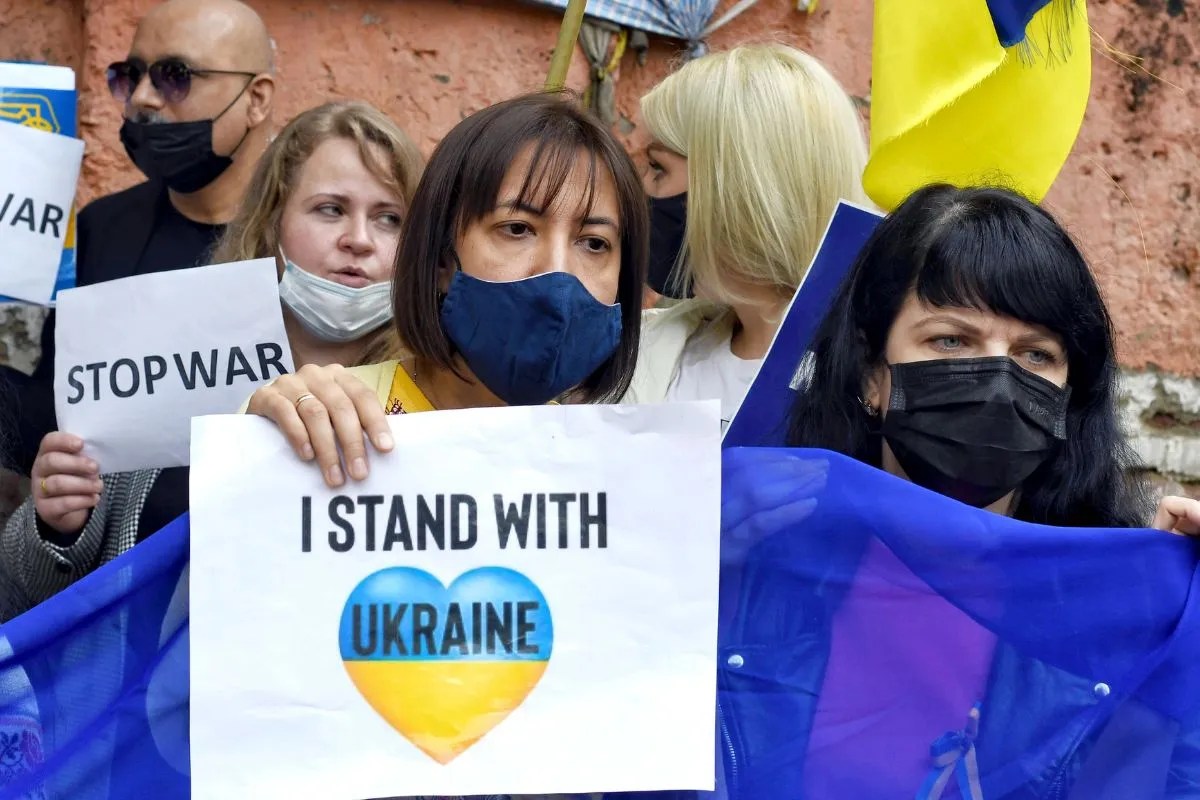
Language isn't just a communication tool; in wartime, it's a battleground. When the city council in Odesa considers pulling Russian-language books from public spaces and restricting Russian music, they aren't just messing with playlists. They're rewriting the cultural DNA of Ukraine's third-largest city. If you think this is a minor local dispute over arts and culture, you're missing the entire geopolitical weight crashing down on everyday citizens right now.
Odesa has historically worn its multicultural badge with pride. For generations, streets echoed with a mix of Ukrainian, Russian, Yiddish, Greek, and other tongues. But Russia's full-scale invasion changed the math entirely. What used to be a casual linguistic preference is now viewed through the lens of national survival.
The Core Arguments Fueling the Odesa Language Proposal
Proponents of the restriction argue that Russian soft power remains an active threat. Local figures, including legal and cultural advocates in Odesa, point out that language has long served as an imperial instrument. From this perspective, hearing Russian songs in public parks or seeing Russian literature prominently displayed isn't harmless nostalgia. It's a reminder of an occupying force that continues to target Ukrainian infrastructure and identity. Language officials in the city argue that public exposure to Russian cultural markers can deeply alienate citizens traumatized by ongoing missile strikes and front-line losses.
On the flip side, critics and local artists argue that clamping down on culture risks throwing out the baby with the bathwater. Figures like prominent Odesa humorist Boris Barsky have voiced concern, noting that the Russian language belongs to classical authors like Dostoevsky just as much as it belongs to modern political regimes. Anthropologists tracking the region point out a deeper anxiety: when a state starts policing culture to purge an aggressor's influence, it sometimes treads dangerously close to infringing on individual liberties and local heritage.
How the Ground Shifted Since 2022
You can't understand Odesa's current debate without looking at the massive wave of Ukrainization sweeping across the country over the past few years. Ever since the 2019 legislation mandating Ukrainian across professional and public sectors, the linguistic landscape has shifted dramatically. Even native Russian speakers in cities like Odesa, Kharkiv, and Kyiv have voluntarily switched to Ukrainian as an act of solidarity and defiance.
Local educators emphasize that forcing the transition too aggressively can backfire. The goal shouldn't be a heavy-handed ban that alienates native speakers, but rather creating an organic environment where people genuinely want to embrace Ukrainian. Yet, patience is wearing thin. When missiles are falling, the tolerance for cultural ties to the aggressor nation evaporates overnight.
This isn't happening in a vacuum. Across Eastern Europe, historical memory is being aggressively recalibrated. Streets named after Soviet figures are being renamed, monuments are coming down, and public spaces are being de-russified. Odesa finds itself right at the epicenter of this identity crisis because it has long been viewed by Moscow as part of the "Russian world" narrative. By pushing back against this linguistic footprint, Odesa is cutting the final ideological tethers to its imperial past.
Ultimately, the city council's upcoming decision is about much more than books and musical tracks. It's a raw, painful reckoning with what it means to belong to a nation fighting for its life. As Odesa weighs these restrictions, it's forcing millions of people to decide which version of their identity survives the war.
Odesa's Russian language ban sparks debate
This video provides an overview of how Russia's historical and ongoing actions have targeted Ukrainian language and culture, framing the current cultural debates in cities like Odesa.