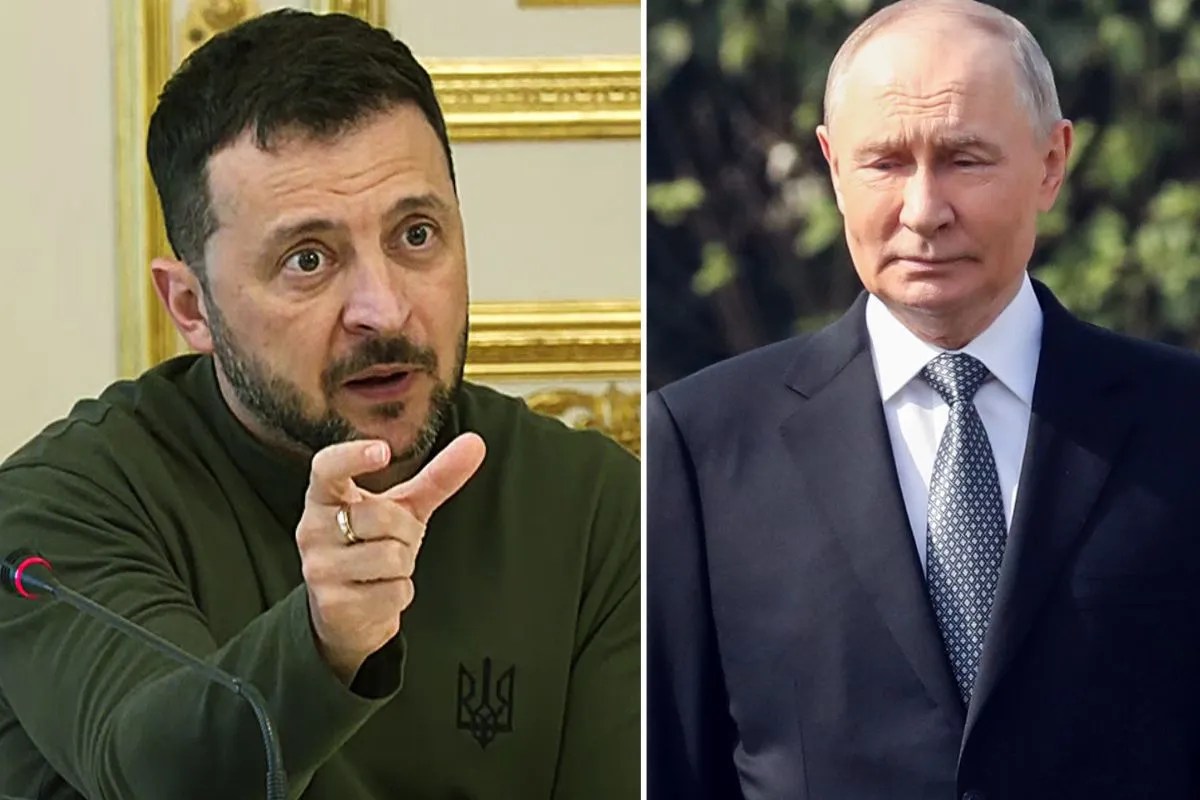
Winter in Kyiv does not arrive with a whisper. It falls like a lead curtain, freezing the mud into jagged ridges and turning every breath into a plume of gray smoke. I remember standing near a shattered window in late November, watching a grandmother sweep glass from her kitchen floor while the distant thump of artillery shook the remaining panes. She did not cry. Survival in a war zone burns away the luxury of tears long before the frost sets in.
Instead, people look for anchors. They look toward the horizon, praying for something heavy enough to shift the weight of a superpower pressing down on their lives.
Enter Oslo.
While the world watches Washington debate package sizes and Brussels navigates bureaucratic labyrinths, Norway has quietly drawn a line in the snow. A massive nine billion dollar commitment, stretching across multi-year support frameworks, is heading toward Ukraine. This is not just a line item in a ledger. It is a calculated, monumental injection of life support for a nation bleeding into its fields.
And the man in the Kremlin is watching.
Vladimir Putin built his entire strategy on a single, cold assumption: exhaustion. He believes that time is a Russian asset. He believes that Western attention spans are fragile, that democratic fatigue will set in, and that the financial drain of a prolonged conflict will eventually force Kyiv to kneel. For months, Moscow has calculated every missile strike and every frozen trench through the lens of attrition.
Then Norway signs a check that challenges the very math of the Kremlin.
To understand the magnitude of nine billion dollars, you have to step away from macroeconomic abstractions. Imagine an entire healthcare system kept running, schools rebuilt underground, power grids fortified against incoming drones, and the steady, unyielding flow of defensive capabilities that prevent the skies from turning entirely black. This financial backing acts as an economic shock absorber. It keeps the state functioning while the front lines hold.
Yet, money does not fight wars. People do.
Consider a hypothetical young engineer named Dmytro, living in a cramped basement in Kharkiv. Before the invasion, he wrote code for global tech firms, sipping flat whites in glass-fronted cafes. Now, his calloused hands solder components for reconnaissance drones by the flickering light of a battery-powered lamp. When he hears about international aid packages, he does not cheer. He exhales. He knows that nine billion dollars means his workshop can keep buying batteries. It means the soldiers holding the tree lines three miles away have winter boots and medical kits. It translates directly into days, weeks, and months of continued existence.
Putin now faces a bitter dilemma.
The traditional playbook of the Russian autocrat relies on outlasting the opponent's wallet. But when small, resilient nations like Norway step forward with capital reserves derived from sovereign wealth and a fierce defense of sovereignty, the timeline fractures. Moscow cannot simply bomb its way through an economic lifeline that is insulated by northern European stability.
What happens next is a game of high-stakes endurance.
The Kremlin must decide whether to escalate its domestic economic strain, doubling down on a wartime economy that devours its own future, or confront the reality that Ukraine's backers are digging in for the long haul. Every billion injected from Oslo shrinks the margin for Russian error. It signals to Moscow that the architecture of European security is not crumbling; it is hardening.
The wind howls through the skeletal remains of apartment blocks in the east, carrying the bitter chill of a war that refuses to end quietly. But deep inside the government offices of Kyiv, and across the fjords of Scandinavia, a different current moves through the dark. It is the steady, unyielding pulse of defiance, backed by resources that refuse to let the night win.
The shadow falls across Moscow, heavier than before, and the silence in the Kremlin grows colder.