The air smelled of roasted corn, fried dough, and late-summer optimism. Thousands of people packed the avenues of Seattle, shoulder to shoulder, bound together by the simple, ancient human urge to gather in public spaces and celebrate community. Music drifted from street corners. Laughter bounced off brick facades. It was supposed to be a weekend of joy, a vibrant punctuation mark at the tail end of the season.
Then came the sound.
It did not sound like fireworks. Fireworks crackle and bloom with a bright, erratic rhythm. This was sharp. Flat. Mechanical.
In a fraction of a second, the collective psychology of the crowd underwent a violent metamorphosis. The shared warmth dissolved. Joy inverted into pure, raw panic. Two people would never leave that street alive. Five others would find themselves rushed to emergency rooms, their bodies pierced by lead, their lives forever altered by a sudden eruption of senseless violence at a food festival.
The Anatomy of Sudden Chaos
Imagine standing in a dense throng of people when the social contract abruptly shatters. There is no time to think. There is only time to react.
Footsteps thundered against the pavement. Plates dropped, shattering into ceramic shards that mixed with spilled food and trampled flyers. Strollers were shoved aside. Parents grabbed children, hoisting them into the air or shielding tiny bodies with their own.
Panic is contagious, but survival instinct is louder.
People dove behind vendor booths, pressing their chests against cold concrete floors. Metal grills clattered to the ground. In the chaos, strangers became lifelines, pulling one another behind overturned tables, whispering frantic reassurances into the dark corners of makeshift hiding spots. The festive lights overhead suddenly felt exposed, cruel, illuminating targets instead of celebration.
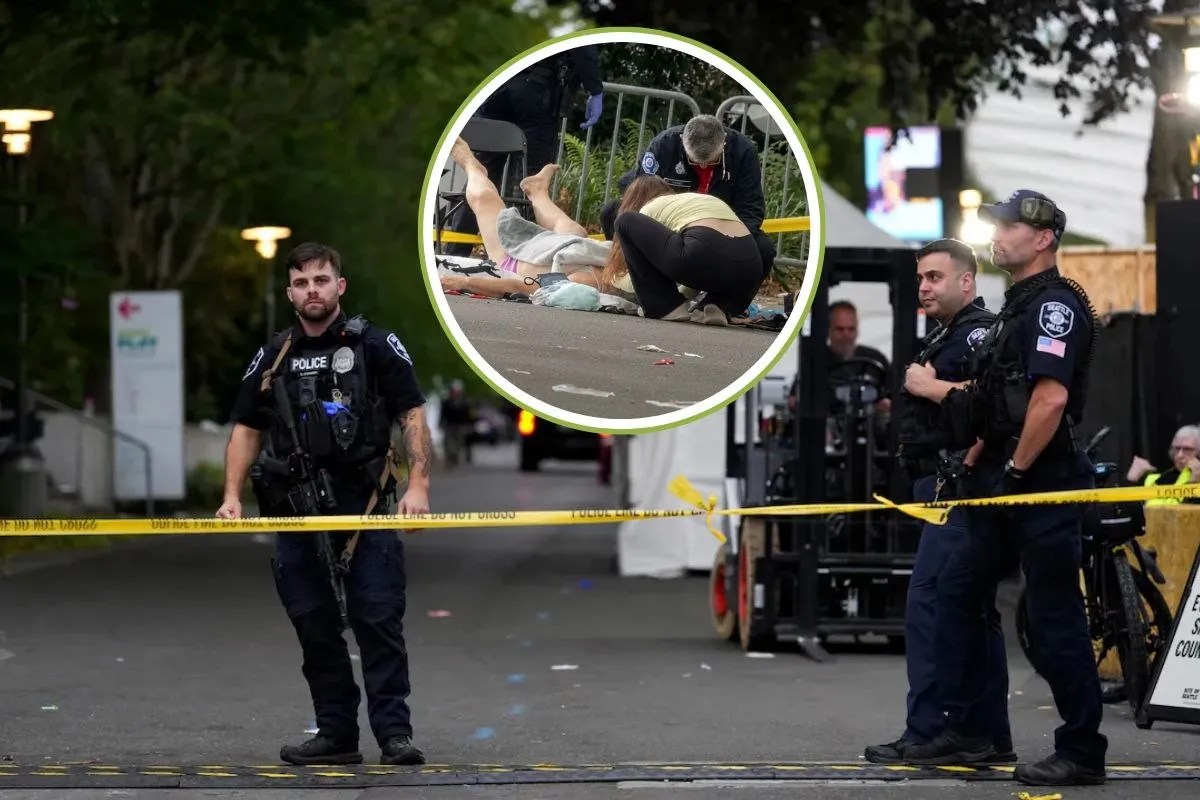
Police and emergency medical responders arrived to a scene of surreal juxtaposition. Brightly colored festival banners fluttered in the breeze above yellow police tape. Sirens wailed, bouncing off high-rise buildings, drowning out the lingering echoes of screams.
The Cost of Public Violence
Statistically, mass public gatherings in urban centers represent the pinnacle of open community life. They require trust. When you walk into a festival, you implicitly trust the strangers standing beside you. You trust the city to keep you safe. You trust that the worst thing that might happen is a spilled drink or a lost wallet.
When gunfire punctures that trust, the psychological shockwave extends far beyond the physical casualties.
Two families received the devastating news that their loved ones were gone forever. Five individuals began the long, grueling physical and emotional journey of recovery. But thousands of others walked away with an invisible injury—the sudden, creeping realization that a routine weekend afternoon can turn fatal without warning.
Living in the Shadow of the Unknown
Security officials later combed through the debris, gathering shell casings, reviewing blurry smartphone footage, and piecing together the timeline of a tragedy that unfolded in mere seconds. Yet, answers rarely soothe the ache of trauma.
The food festival in Seattle became another stark reminder of a modern paradox. We crave connection. We build cities, organize festivals, and crowd into streets because we are social creatures who need each other. Yet, the persistent threat of isolated, volatile violence forces us to constantly calculate our safety in spaces meant for freedom.
The music did not fade out slowly. It was cut short by the harsh, ugly reality of human anger.
As the sun set over the Pacific Northwest that evening, the festival grounds were empty, silent, and bruised. The spilled food was washed away. The police tape was eventually removed. But the memory of how quickly a celebration can turn into a battleground remains carved into the conscience of a city that was simply trying to enjoy a weekend together.