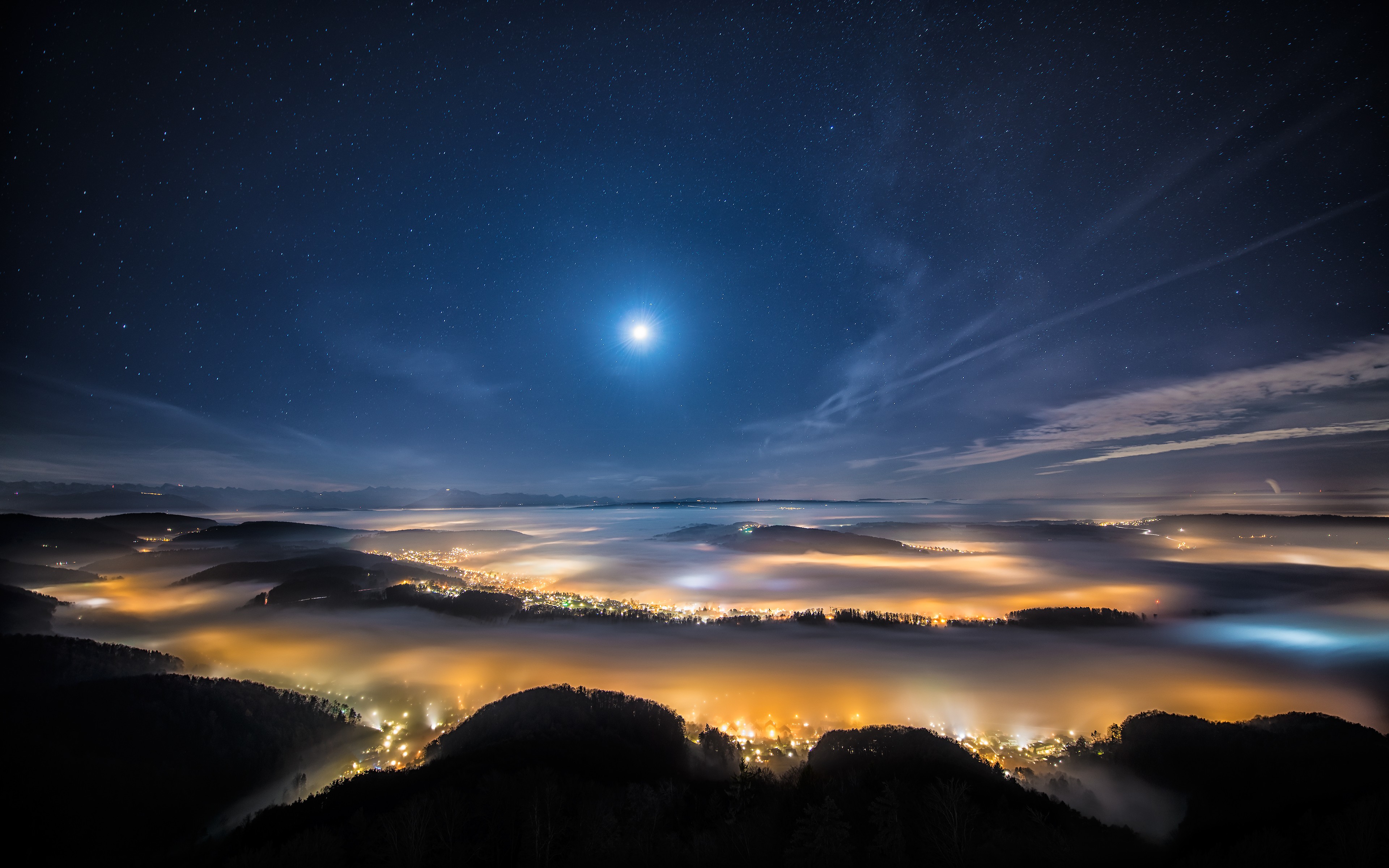
The air at six thousand feet does not just taste cold; it tastes thin, sharp, and entirely indifferent to human ambition.
On a quiet winter night in the Andes, the world outside the wooden chalets of Chile's premier ski resorts usually belongs to the wind. It howls down jagged ravines, rattling windowpanes and burying chairlifts in drifts of powder so light it feels like granulated sugar. Skiers love this silence. They sleep soundly, lulled by the knowledge that tomorrow brings untracked bowls and crisp blue skies.
Then came the smell of cedar smoke. Then the red glow on the snow.
Fire.
It is an elemental terror that feels entirely misplaced in a landscape defined by ice. When a blaze tears through a ski resort, the physics of the disaster shift immediately. Water lines freeze. Hydrants burry under snowbanks. Access roads are narrow, winding arteries clinging to the sides of sheer cliffs, built for leisurely tourist traffic rather than heavy emergency tankers.
Imagine waking to that.
For the hypothetical ski instructor sleeping in a staff dorm—let us call him Mateo—the night fractured all at once. The power failed, plunging the hallway into absolute blackness. The emergency lights flickered and died. Outside, the wind whipped the orange flames higher, turning the white slopes into an eerie, apocalyptic theater. Mateo did not grab his gear. He grabbed his boots, his coat, and the arm of his roommate, stumbling down stairwells filled with the acrid, choking scent of melting fiberglass and burning timber.
This is the hidden vulnerability of the high peaks. We view mountains as ancient, immutable monoliths. Yet the infrastructure we carve into them is startlingly fragile.
Chilean ski resorts, from the legendary runs of Portillo to the sprawling modern developments of Valle Nevado and Farellones, sit in remote, high-altitude cordilleras. They are isolated kingdoms. When a fire breaks out in these isolated pockets, help is hours away down switchbacks that require chains even on a good day. Metropolitan firefighters from Santiago must race against time, distance, and gravity just to reach the foothills, let alone the high camps.
Consider what happens next in the minds of the guests. Panic travels faster than flame.
In the main hotel lobbies, luxury gives way to raw survival instinct. Ski passes, expensive gear, and reservations are instantly rendered meaningless. Tourists and locals alike gather in the courtyards in mismatched layers, wrapped in thermal blankets, watching decades of alpine history turn to embers. The fire does not care about the millions of dollars invested in chairlifts, luxury spas, or panoramic restaurants. It consumes timber and masonry with equal appetite.
Yet, in the freezing dark, human resilience emerges with surprising clarity.
Resort staff become makeshift wardens, guiding panicked guests down unlit paths away from propane tanks and collapsing roofs. Snowcat drivers, normally tasked with grooming corduroy runs for morning powder hounds, fire up massive diesel engines to plow evacuation routes through drifting snowdrifts, clearing paths for terrified families fleeing in rental cars.
By morning, the scale of the devastation comes into focus. A landmark lodge is gone. A piece of cultural heritage reduced to charred beams and smoking ash. The statistics will be tallied later by insurance adjusters and local authorities—square footage lost, estimated economic impact, structural damage assessments.
Those numbers, however, miss the point entirely.
The true cost of a mountain fire is measured in the sudden fracture of safety. We travel to the peaks to escape the noise and complexity of the lowlands, seeking refuge in the monumental scale of nature. When disaster strikes in that sanctuary, it strips away our modern illusions of control. It reminds us that we are merely visitors in a harsh, beautiful wilderness that operates on its own terms.
The snow will fall again next week. The groomers will smooth over the scars, and new timber will rise from the foundations of the old. But for those who stood on the snow that night and watched the mountain burn against the dark winter sky, the white slopes will never look quite the same again.