A Desk in Central at 2:00 AM
The air conditioning in Central's glass towers runs cold enough to preserve meat. On the forty-second floor, a young analyst named Chen stares at a spreadsheet that refuses to balance. Outside his floor-to-ceiling window, Victoria Harbour glimmers like spilled ink, crisscrossed by the slow-moving lights of late-night ferries.
Chen is not looking at the view. He is looking at a gate.
For eight years, that gate stayed locked. If your company was a young biotech startup bleeding cash while developing a cure, or a tech venture with a non-traditional corporate structure, Hong Kong’s stock exchange told you the same thing: come back when you grow up.
The exchange operated on a simple, antique philosophy. It protected investors by demanding established profitability, predictable revenue, and ironclad traditional governance. It was safe. It was respectable.
It was also slowly watching the future walk across the ocean to New York.
Money does not like waiting at closed gates. When founders realized they couldn't list in Hong Kong, they packed their pitch decks and flew straight to Nasdaq. Billions in capital evaporated from the city's financial ecosystem, leaving local bankers staring at quiet trading floors.
Something had to give.
The Iron Gate Creaks Open
Financial regulations sound like dry legal prose until you watch what happens when they change.
When the Hong Kong Exchange finally announced its massive structural overhaul—the biggest listing reform in eight years—it wasn't just updating a rulebook. It was smashing an iron gate open.
The reform targeted three specific doors that had long been bolted shut:
First, pre-revenue biotech companies could finally apply for initial public offerings. Scientists who spent a decade in labs without a single dollar of commercial sales suddenly had a path to public capital.
Second, high-growth technology companies with weighted voting rights were welcomed. Founders could keep controlling stakes in their vision without being stripped of voting power by massive institutional funds.
Third, a streamlined route was carved out for secondary listings, offering a safe harbor for overseas-listed Chinese firms seeking a home closer to local capital.
Think of the old listing rules as a strict, traditional doorman at a exclusive club. For decades, the doorman only let in people wearing polished leather shoes and tailored suits—companies with five years of audited profits. The reform did not fire the doorman. Instead, it gave him a brand new checklist. Now, if you showed up in sneakers with a groundbreaking molecular patent or a revolutionary cloud architecture, the door swung wide.
The Human Cost of a Stagnant Market
To understand why this shift matters, you have to look beyond the trading algorithms and look at the people building the companies.
Consider a hypothetical founder named Dr. Lin. She spent twelve years researching targeted cancer therapies. Her laboratory tests showed staggering promise, but clinical trials cost tens of millions of dollars. Under the old rules, Dr. Lin faced an agonizing choice: sell her patents to a global conglomerate for a fraction of their value, or spend two years navigating complex foreign exchanges far from her research team in Asia.
Risk is a heavy weight to carry when you are running out of runway.
When an exchange refuses to adapt, it forces innovators into the shadows or drives them away entirely. It creates a market where only the already-wealthy can raise capital, while the risk-takers—the ones actually building tomorrow—are left begging for private scraps.
The eight-year drought wasn't just a period of missed profits. It was a period where the regional financial capital began losing its edge, outpaced by agile markets eager to fund the next technological epoch.
What Happens When Capital Floods the Engine
When the rules changed, the shift was immediate and intense.
Investment banks crammed into conference rooms. Legal teams worked through weekends drafting prospectuses. The scent of stale coffee and takeout dim sum filled offices across the district.
The floodgates did not just open; the entire current reversed.
Biotech firms streamed onto the floor, turning the city into one of the largest fundraising hubs for life sciences on the planet. Giant tech firms that once looked exclusively to Western exchanges established secondary listings, bringing hundreds of billions in market capitalization back home.
Trading volume surged. But more importantly, the nature of the market transformed. The ticker tape stopped reflecting merely traditional banking giants, real estate moguls, and state-owned enterprises. It began reflecting human ingenuity, data networks, genomic sequencing, and artificial intelligence.
The risk profile changed, certainly. Investing in pre-revenue companies requires a sharper mind and a stronger stomach. Volatility became part of the daily rhythm. Yet, that volatility is the sound of a living, breathing market doing what it was designed to do: pricing the future in real time.
The Silence Before the Ringing Bell
Back on the forty-second floor, Chen finally closes his laptop. The clock on his wall reads 4:15 AM.
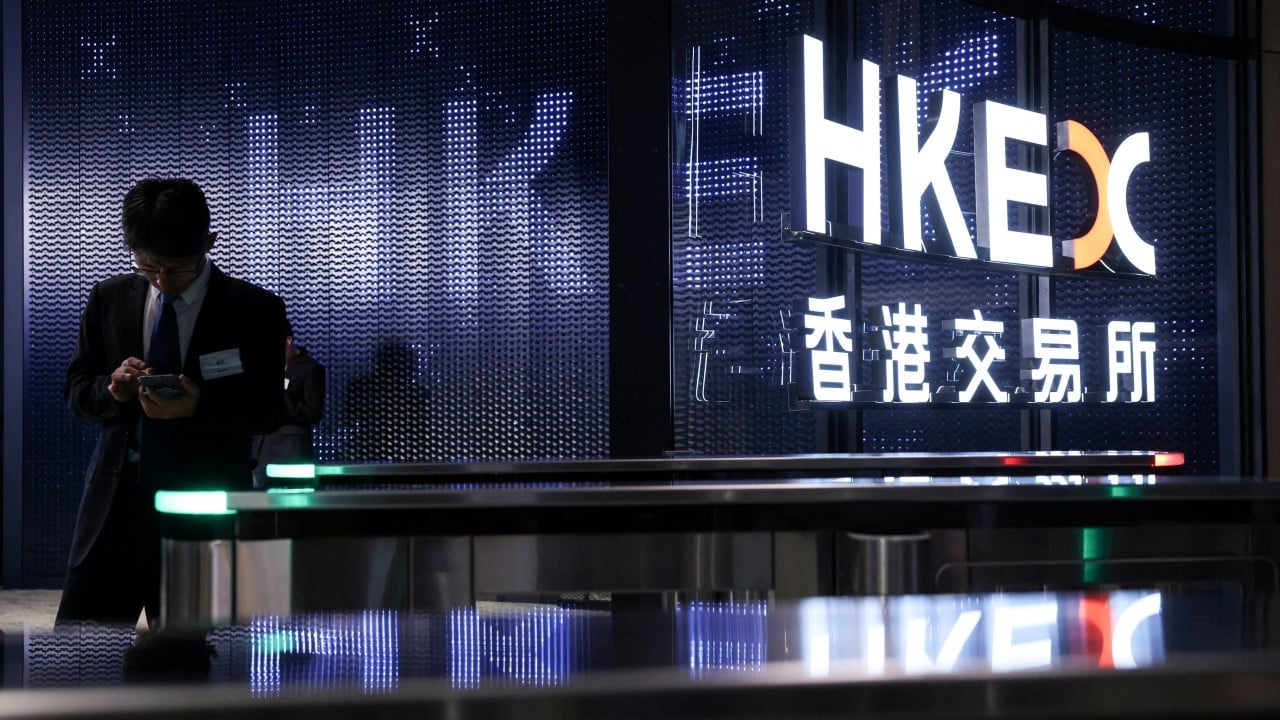
In a few short hours, the ceremonial brass gong on the HKEX trading floor will echo through the atrium. A founder who started a company in a cramped garage or a sterile laboratory will stand behind a wooden mallet, surrounded by cheered investors and flashing cameras.
A single strike of that gong signifies more than just a ticker symbol going live. It marks the moment where abstract capital converts into concrete reality—paying for the next clinical trial, the next server cluster, the next breakthrough.
Hong Kong did not just change its rules to win a numbers race against other global exchanges. It changed them because money without movement stagnates, and a financial center that fears risk eventually ceases to be a center at all.
The harbour outside Chen’s window begins to lighten, catching the early morning gold off the glass towers. The gate is open. The floor is waiting.
.png)