The floor did not sway. It struck.
There is a distinct difference between the gentle, rolling motion of a minor tremor that causes hanging plants to oscillate and the violent, vertical heave of a major rupture. When the 7.4 magnitude earthquake tore through Colombia, it arrived with the sound of a subterranean freight train derailing beneath the bedrock. It was a noise that bypassed the ears and vibrated straight up through the soles of the feet, rattling teeth and shattering the fragile illusion of permanence we place in concrete and steel.
Ground zero became a graveyard of dust in seconds.
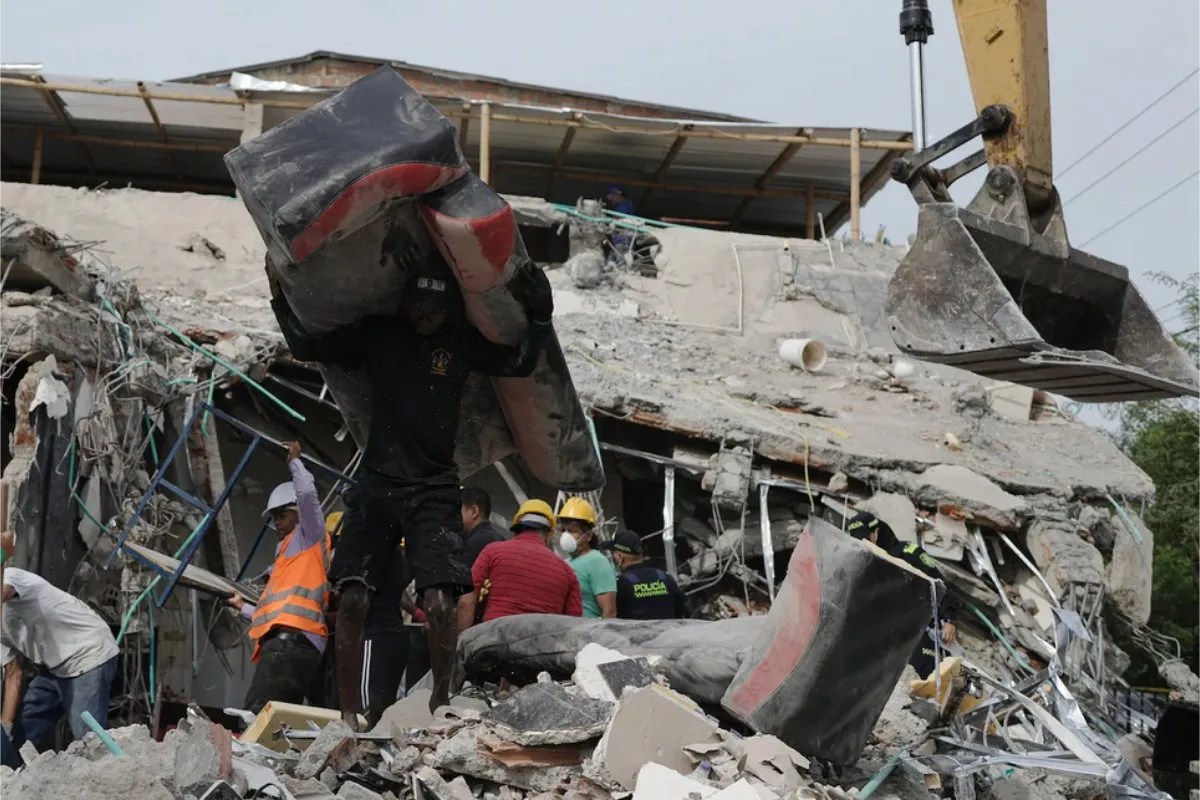
I remember the grit tasting like old pennies and drywall. In places like Bolívar and Chocó, adobe walls dissolved into piles of gray flour. Modern buildings, engineered to flex, groaned in protest, their joints snapping under loads they were never meant to carry. For millions, the world narrowed down to a single imperative: get out, stay low, and hold on to anything that isn't falling.
Statistics are shields. We hide behind them to keep the raw horror of tragedy at a safe distance. We read that 273 human beings lost their lives, and our brains categorize it as a data point, an unfortunate blip on a global news ticker. But numbers do not bleed. Numbers do not scream for a trapped child in the dark.
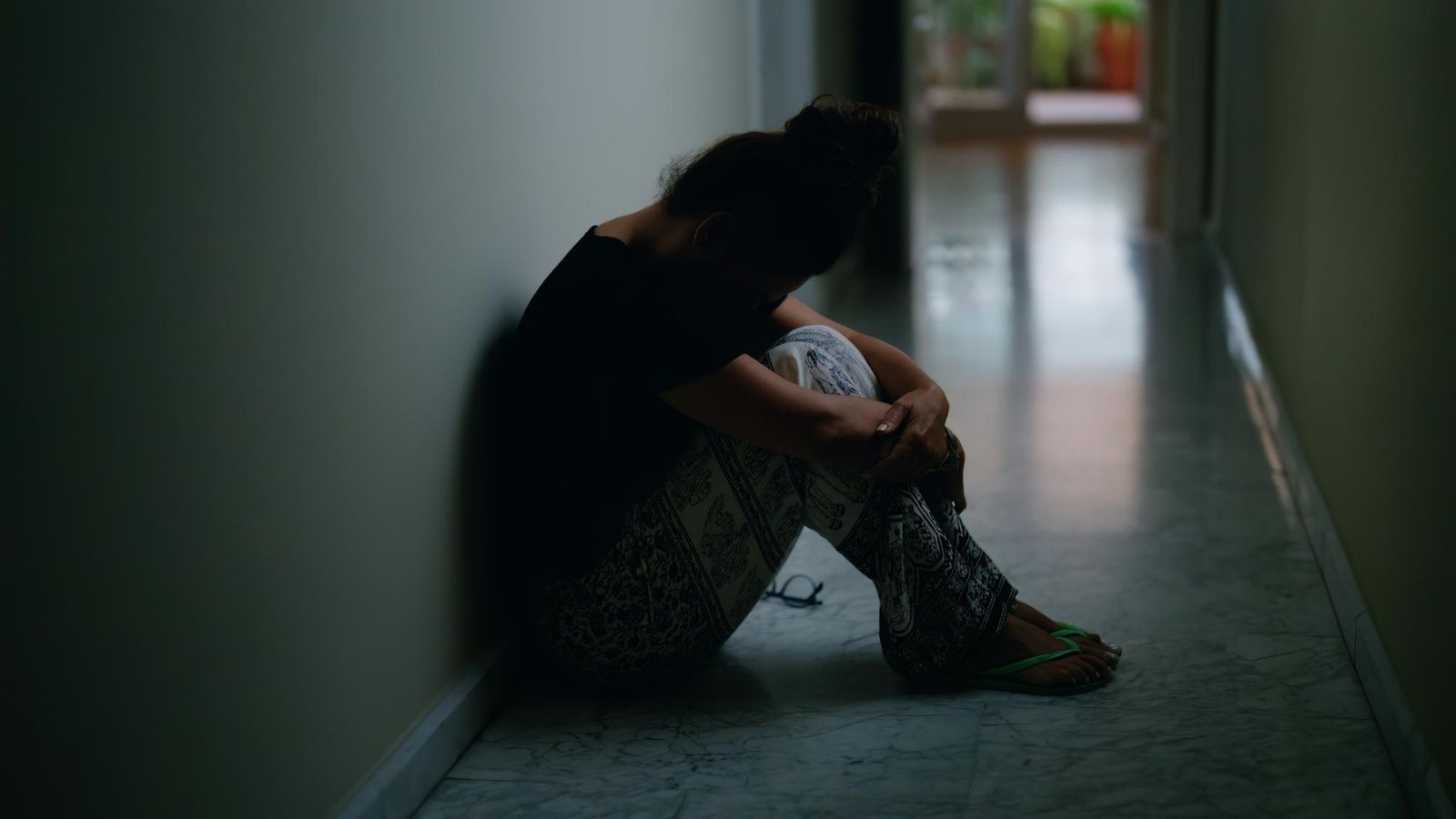
Consider what a single digit in that grim total represents. It is an empty chair at a breakfast table. It is a half-finished cup of coffee cooling on a counter. It is a lifetime of memories erased in the fourteen seconds it took for the tectonic plates to stop grinding against one another.
More than 3,800 people survived with injuries that will reshape the rest of their days. Fractured limbs, crushed spines, and psychological scars that will flare up every time a passing truck rattles a windowpane. Hospitals, already stretched thin by daily demands, instantly transformed into triage units reminiscent of field operations in a war zone. Hallways overflowed with the wounded. Doctors operated by the flickering light of cell phones as the power grid collapsed, turning hospitals into frantic islands of desperation.
Earthquakes do not just destroy infrastructure. They expose the fault lines in our societies long before the earth ever cracks.
In the immediate aftermath, the immediate response is always chaos. Communications fail. Cell towers buckle. Roads choked with landslides become impassable, turning isolated villages into forgotten outposts. Search and rescue teams face an agonizing calculus. Do they clear the main highway to let heavy machinery through, or do they pull away the rubble of a collapsed schoolhouse where faint tapping has been heard from beneath the concrete?
Every second counts. Oxygen runs out. Dehydration sets in.
In these moments, humanity reveals its dual nature. We see the terrifying fragility of our existence, yet we simultaneously witness acts of staggering selflessness. Neighbors become first responders. Complete strangers form human chains to pass heavy stones bucket-by-bucket, driven by the desperate hope that someone is still breathing on the other side.
(Note: To understand the sheer velocity of rescue logistics, imagine trying to navigate a maze where the walls are constantly shifting and half the map has vanished.)
The true crisis of a natural disaster of this magnitude rarely ends when the shaking stops. That is merely the prologue. The real trial begins in the days and weeks that follow.
Homelessness settles in like a heavy fog. Families cluster in public parks, sleeping under plastic sheets and makeshift tents, terrified to return to standing structures that might collapse in an aftershock. The threat of waterborne illness rises as municipal water systems rupture and mix with sewage. The air grows thick with the dust of pulverized buildings, triggering respiratory distress in the very young and the elderly.
Aid is a complex machine. It requires fuel, coordination, clear pathways, and immense political will. When bridges wash out and mountain passes slide into valleys, getting clean water and medical supplies to the people who need them most becomes a logistical nightmare. Bureaucracy slows the machinery of compassion, and for a mother holding a feverish toddler in a makeshift shelter on a muddy hillside, every minute feels like a lifetime.
We tell ourselves that we are safe, that our cities are fortified, that nature is a force we have conquered through engineering and technology. But events like the Colombian earthquake deliver a humbling reminder. We are tenants on this planet, living at the mercy of forces older than history and vastly more powerful than anything we can construct.
The dust will eventually settle in the valleys. The collapsed facades will be cleared away. New steel will rise from the ruins, and life will resume a semblance of normal rhythm.
Yet for the families of the 273, and for the thousands carrying the physical and invisible wounds of those fourteen terrifying seconds, the world has permanently tilted. They walk now with the quiet, unshakeable knowledge that the ground beneath our feet is only as reliable as the next breath we take.