The coffee in Midtown was still warm when the radio crackled with a word that turns city blocks into concrete walls: suspicious.
It is a strange sensation, watching a metropolis as immense and roaring as Manhattan pivot on its axis in a fraction of a second. One moment, yellow cabs are honking through the autumn humidity of 42nd Street, pedestrians are dodging bicycle couriers, and the crisp autumn air carries the scent of roasted chestnuts from a corner cart. The next, the sirens begin. Not the routine wail of an ambulance rushing toward Bellevue, but something sharper, layered, a rhythmic chorus that vibrates right through the soles of your shoes.
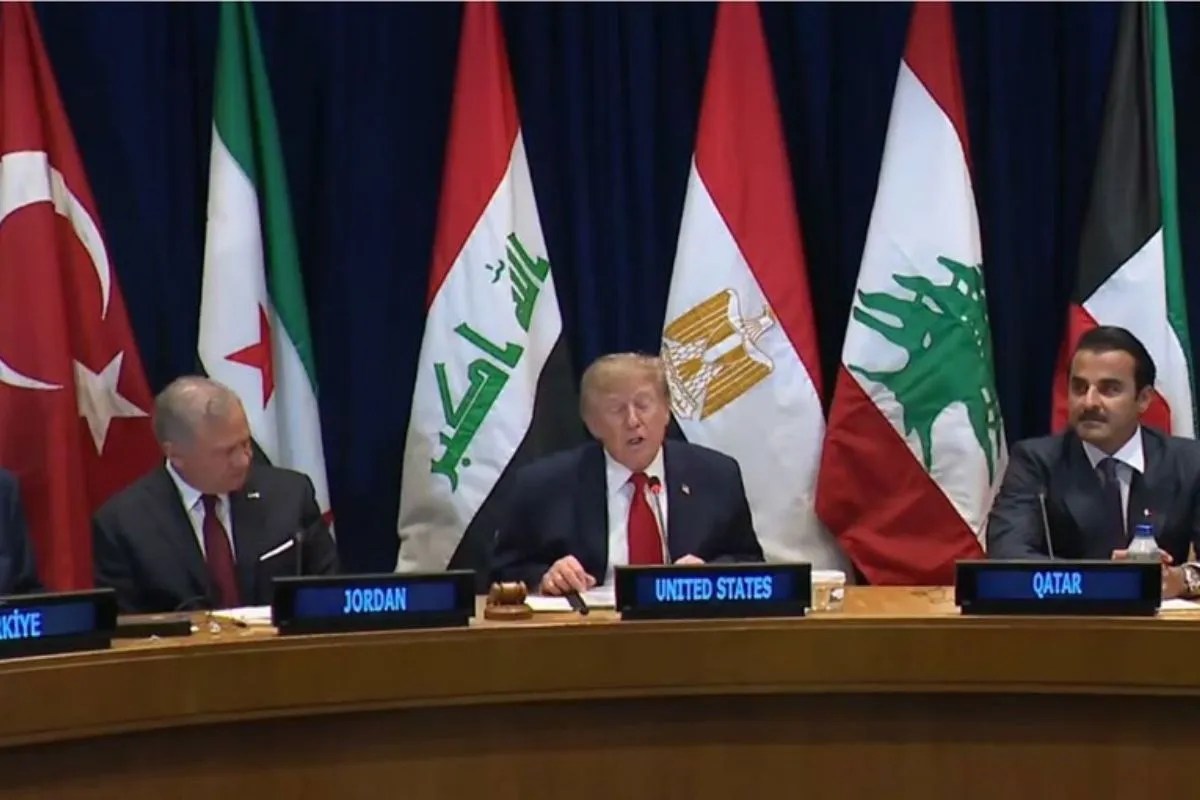
September in New York has a very specific pulse. The United Nations General Assembly is in session, which means the city is simultaneously the capital of the world and a heavily guarded fortress. World leaders, motorcades, diplomats in bespoke suits, and protesters with megaphones converge on the East River like iron filings to a magnet. Every intersection feels pressurized, charged with an invisible electricity.
Then came the red tape.
Literally.
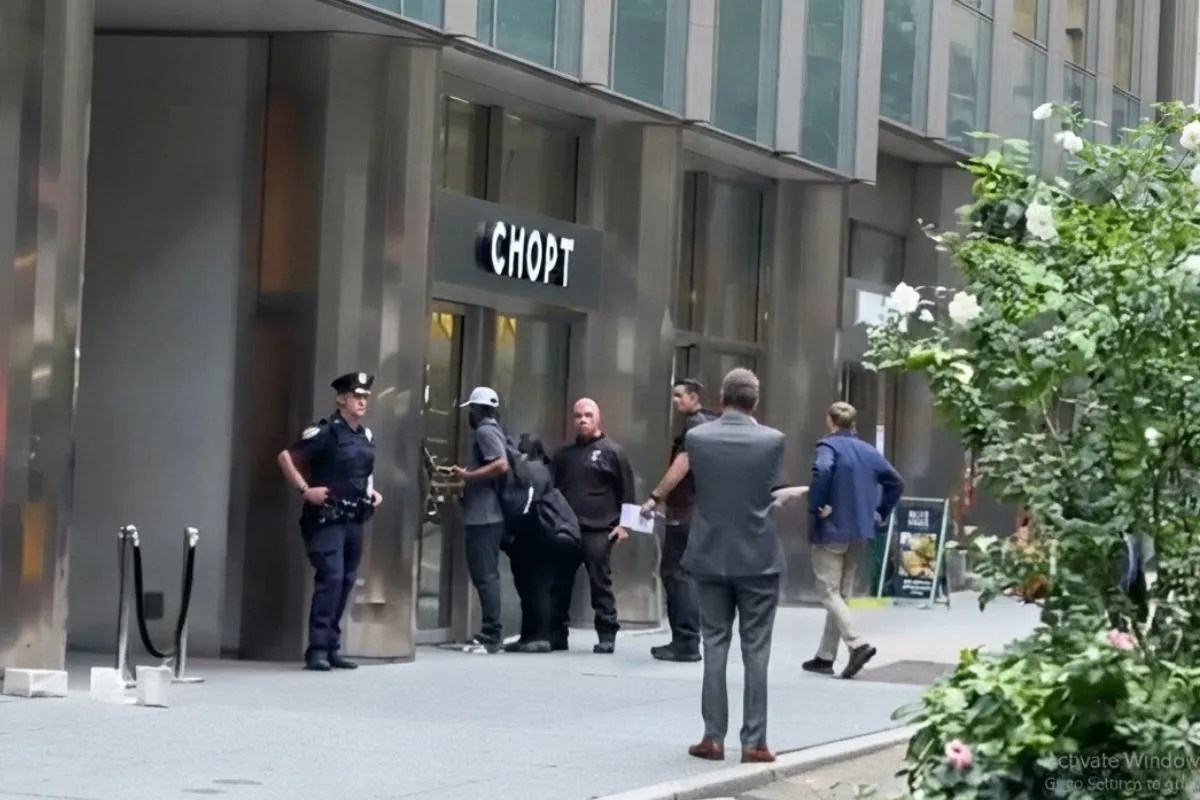
Police tape unfurled with a sharp, tearing sound across asphalt that moments before had been choked with foot traffic. Officers in tactical gear moved with practiced, terrifying calm, waving pedestrians back, their hands resting lightly on equipment belts. Back. Move back. Clear the block.
Beneath the towering glass facade of a skyscraper, an unattended package sat on the pavement.
To the casual observer passing by on a Tuesday afternoon, it might have looked like someone’s forgotten briefcase, left behind by a frantic commuter rushing to catch an express train to Queens. But context changes everything. In the shadow of the UN headquarters, during a week when global tensions are routinely negotiated within shouting distance of diplomatic podiums, an unmonitored box is never just a box. It is a question mark written in high explosives and existential dread.
Consider the geometry of panic. It does not spread like a wave across an open ocean; it ripples through a crowd like a current through copper wire. People stop talking. Heads swivel toward the source of the noise. Eyes lock onto the barricades. Smartphones emerge from pockets, screens glowing in the daylight as fingers fly across keyboards, texting spouses, children, bosses: Are you near midtown? Stay away from the block.
For the Secret Service and the NYPD bomb squad, time fractures. Every second spent evaluating an anonymous object is a lifetime weighed against the possibility of catastrophic failure. The robotic drone units roll out—mechanical spiders of steel and sensors designed to peer where human eyes dare not look. They approach the object with agonizing slowness, their treads crunching softly against stray autumn leaves.
We have built an extraordinary, fragile civilization. We pack millions of souls into vertical boxes of steel and glass, running on complex webs of transit, electricity, and fragile trust. We pretend that our routines are permanent, that the morning commute will always lead to the desk, that the evening train will always return us home to dinner. But beneath that veneer of normalcy lies an abyss of absolute vulnerability. It takes only a single anonymous cardboard box to remind us how thin the ice really is.
Across the street, pressed against a glass-fronted bakery, a vendor watched the bomb squad tech kneel in his heavy, blast-resistant suit. The vendor had stopped kneading his dough. His hands were white with flour. He wasn't thinking about geopolitics or the speeches echoing inside the General Assembly hall a few blocks away. He was thinking about his rent, his daughter’s upcoming tuition, and whether the heavy steel door of his shop would withstand a shockwave if things went wrong.
That is where history actually happens. Not in the grand speeches broadcasted on cable news networks, where diplomats use measured cadences to veil thinly veiled threats, but on the pavement, in the white-knuckled silence of ordinary people waiting to find out if they get to live through the afternoon.
The minutes stretched. The city held its breath.
In situations like this, time does not move forward; it hangs suspended in the air like exhaust fumes over a gridlocked avenue. You look at the faces of strangers around you—tourists in oversized sneakers, corporate lawyers with loosened ties, delivery workers leaning against their bicycles—and you realize you are bound to them by a sudden, fierce fraternity of shared peril. None of you asked to be part of this script. None of you auditioned for this scene. Yet here you are, extras in a drama written by paranoia and modern hazard.
Then, the posture of the officers changed.
It’s subtle, but if you have watched enough crises unfold, you learn to read the language of cops. A shoulder drops two inches. The tension in a jawline softens. The whispered command passes down the line: All clear.
The bomb squad didn’t detonate anything. The package was inert. A forgotten lunchbox, an abandoned gym bag, or perhaps a delivery dropped in haste by someone running late for a flight. The hazard evaporated back into the mundane ether from which it came.
The tape came down with a swift jerk. The yellow ribbons were coiled and tossed into canvas bags. The traffic lights, which had blinked accusingly through the standoff, clicked back to their regular rhythm. The yellow cabs lurched forward, horns blaring once more, reclaiming the asphalt as if nothing had ever happened.
People exhaled. They crossed the street. The vendor went back to his dough, wiping his flour-dusted hands on his apron.
The crisis was over. The city resumed its roaring, relentless march toward evening. But the quiet terror lingered, hanging in the air like the faint smell of ozone after a thunderstorm—a stark, silent reminder of how easily the world can tilt on its axis, and how tightly we hold onto the ordinary miracle of an unexploded afternoon.