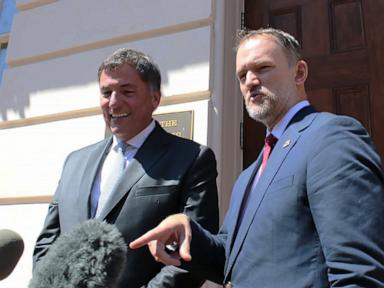
Trade threats have a funny way of concentrating the mind. President Donald Trump just announced a three-day pause on impending 50% tariffs against Canadian goods, declaring that a brand-new trade deal is essentially done.
Except, nobody actually knows what is inside it.
If you look past the social media declarations and the quick White House soundbites, the ground reality of this agreement is messy. Ottawa and Washington are telling completely different stories about what was just compromised. Markets are reacting to headlines, but businesses caught in the crossfire are left holding their breath until actual documents materialize.
Let's break down what is actually happening behind the closed doors of this trade standoff.
The Dairy Wall Versus Zero Tariffs
The biggest flashpoint in this entire negotiation is agriculture, and specifically, how dairy works across the northern border. Trump took to public statements claiming that Canadian agricultural tariffs on American goods are going down to zero. He insisted that U.S. farmers are finally getting full access to a market that has long kept them out through strict quotas.
Canadian officials have flatly rejected that interpretation.
Ottawa's trade ministers maintain that Canada's protected dairy system, known as supply management, is completely off the table and safely insulated. You do not need an economics degree to spot the contradiction here. Either Canada dismantled a cornerstone of its agricultural policy, or American farmers are getting far less than what the White House claims. Both things cannot be true at the same time.
The Retaliation Backlash and Provincial Politics
You cannot understand this deal without looking at the alcohol boycott. Earlier, several Canadian provinces retaliated against American levies by pulling U.S. wine and spirits off state-run store shelves. It was a direct hit to American exporters, born out of raw frustration over trade penalties and political posturing.
The new framework supposedly includes a Canadian commitment to fix these alcohol bans. Here is the catch: Prime Minister Mark Carney cannot simply snap his fingers and force provincial premiers to comply.
Provinces like Ontario, Quebec, and British Columbia run their own domestic agendas. If provincial leaders feel the broader trade arrangement falls short of their local priorities—whether that is automotive protection or lumber—they can dig in their heels. Centralized federal power in Ottawa has strict limits when local premiers decide to push back.
The Pipeline Ghost in the Room
Then there is the energy angle. Trump tossed another curveball into his tariff postponement announcement by hinting that the long-dead Keystone XL pipeline might finally get revived.
Canadian leadership had already raised the pipeline concept during previous closed-door meetings in late 2025. For Ottawa, reviving that project is an old priority, not a brand-new concession handed down by Washington. Framing it as part of a fresh trade victory sounds great on paper, but it avoids the hard work of detailing actual regulatory clearance and environmental hurdles.
What Comes Next for Importers and Exporters
A three-day pause on a fifty percent tax is not stability; it is a temporary extension on panic.
Companies on both sides of the border are trying to plan supply chains around policy shifts that change by the hour. If you are shipping goods between the U.S. and Canada, counting on this vague framework as a permanent fix is a massive gamble.
Watch the actual text when it drops, not the press releases. Until the fine print resolves the dairy paradox and provincial alcohol blocks, this deal remains an unfinished sketch.