Global security is no longer just about armies marching across visible borders. The real battles are happening in lines of code, financial systems, and shadowy networks that don't care about geography. This week, New Delhi becomes the center of these critical conversations. India is set to host the high-stakes BRICS National Security Advisers' meet on June 22-23, and the timing couldn't be more intense.
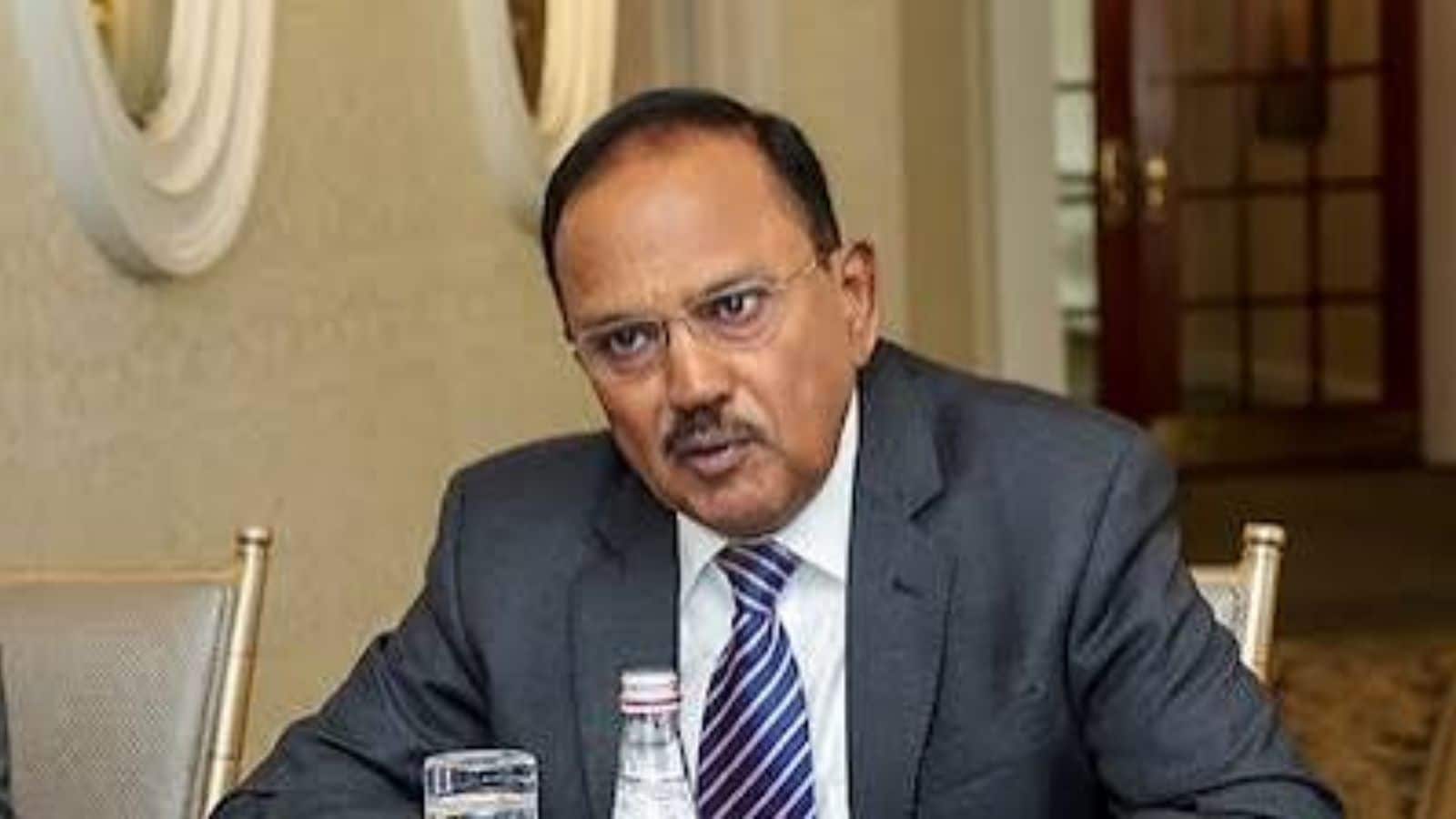
National Security Adviser Ajit Doval will chair the sessions. Think of this gathering as the quiet, heavy-lifting phase before the big political show at the main leaders' summit this September. With the group expanding to eleven nations, getting everyone to agree on anything is a massive headache. Yet, the officials arriving in India aren't there for photo ops. They are dealing with messy, real-world friction. Don't miss our earlier article on this related article.
You might look at the guest list and see a routine diplomatic rotation. That is a mistake. This particular assembly tells us exactly where global power is shifting and how countries intend to protect their interests when traditional rules are failing.
The Heavy Hitters in New Delhi
Look at who is showing up. Chinese Foreign Minister Wang Yi is making the trip. Russian Security Council Secretary Sergei Shoigu will be at the table. So will high-level representatives from Iran. That combination alone creates a fascinating dynamic. If you want more about the history here, NBC News provides an in-depth summary.
For Iran, this marks a major international appearance since the recent US-Iran peace agreement. That deal aimed to cool down conflicts in West Asia. Previously, tensions between Iran and the United Arab Emirates made it impossible for BRICS security meetings to produce joint statements. They couldn't agree on basic language. Now, with a tentative peace holding, New Delhi offers the first real test of whether this expanded bloc can actually function as a cohesive unit.
India wants to understand the fine print of that Iran peace deal. It directly impacts Indian economic interests, especially infrastructure projects like the Chabahar port. Doval will have his hands full managing these distinct, often competing agendas in the same room.
Unpacking the Non-Traditional Threat Agenda
The official theme for this year focuses on non-traditional security challenges. What does that actually mean in plain English. It means the focus is on threats that don't involve traditional military invasions but can still paralyze a country.
Cyber warfare is at the top of the list. We are seeing critical infrastructure, from power grids to banking networks, targeted daily by state-backed actors and criminal syndicates. The BRICS nations are reviewing recent reports from their specialized joint working groups on cyber security and counter-terrorism.
Artificial intelligence and automated systems have completely changed the speed of conflict. Deepfakes can destabilize an election in hours. Rogue actors use encrypted communication tools to fund operations across borders without touching traditional banks. The conversations on June 22 and 23 will focus on how these eleven nations can share intelligence to track these hidden operations. They don't want to rely on Western-dominated security models to do it.
The Critical Sidelines of India and China Relations
The formal sessions are only half the story. The real drama usually happens in the quiet rooms down the hall. The scheduled bilateral meeting between Ajit Doval and Wang Yi is what many analysts are watching closest.
Both men serve as the special representatives for the long-running India-China border dispute. Relations between New Delhi and Beijing have been cold for years. However, there are signs of a slow turnaround. Both sides have quietly pledged to support each other's respective terms in the rotating BRICS chairship. India holds it now, and China takes over for 2027.
Wang Yi skipped a foreign ministers' meeting last month because it overlapped with a major summit in Beijing. His arrival in Delhi shows China wants to keep the channel open. Security experts expect Doval and Wang to lay the groundwork for a potential visit by President Xi Jinping to India for the September summit. If you want to know where India-China relations are heading, watch the body language in Delhi this week.
Managing a Massive Eleven Nation Machine
BRICS is no longer the cozy club of five emerging economies it used to be. The inclusion of Egypt, Ethiopia, Indonesia, Iran, Saudi Arabia, and the UAE has fundamentally altered the group. It represents a massive slice of the global population and economic output, but it also introduces a chaotic mix of national interests.
Some members are openly adversarial to the West. Others, like India and the UAE, maintain deep economic and military ties with Washington. Balancing these factions is an incredible diplomatic tightrope act for New Delhi. India refuses to let the forum become a simple anti-Western coalition. Instead, India pushes a framework focused on practical cooperation, financial independence, and collective security.
The strategy is clear. Focus on shared pain points like supply chain vulnerabilities and transnational crime where everyone can agree. Leave the thorny ideological debates outside.
What to Watch Next
As the meetings unfold over the two days, don't just look at the final communiques. Pay attention to specific agreements on intelligence sharing and joint cyber defense initiatives.
The real test of success is whether the delegates can finalize an actionable framework for counter-terrorism before the leaders land in September. Watch for announcements regarding a unified tracking system for illicit financial flows. Track the scheduling of follow-up military and security exercises among the member states. The decisions made in New Delhi this week will determine whether the expanded bloc can wield actual power or if it remains just a talking shop.